Thailand’s boom in medical and wellness tourism isn’t just a trend — it’s a full-blown movement, and if you’ve ever wondered whether it’s worth flying across the world for a facelift, a heart tune-up, or a week of Ayurvedic bliss, love, let’s unpack it together.
“Is it safe? Is it really that good? And what’s the catch?”
These are the questions I hear over cocktails in Phuket, whispered over jasmine tea in Bali, and batted around every WhatsApp expat group I’m in.
There’s a reason Thailand’s medical and wellness tourism scene is getting so much buzz — and it’s not just the price tags (though, my god, they help).
Let’s get into the why, how, and what-you-need-to-know, without the fluff or the sales pitch. Just real talk, straight from the island, with a gin in hand and a breeze in my hair.
Table of Contents
Why Thailand? Why Now?
Because while the world’s been reeling from uncertainty, Thailand has been quietly (or not-so-quietly) building its empire in medical tourism and wellness travel.
It’s not just about cheap massages anymore — it’s heart surgery, orthopaedic work, IVF, and facelifts done with precision and polish.
The Thai government, in partnership with organisations like the National Innovation Agency (NIA) and international players like Messe Düsseldorf Asia, is throwing its full weight behind turning Thailand into the ASEAN region’s healthcare superstar.
And it’s working.
How Big Is Thailand’s Medical Tourism Industry?
Let’s talk numbers, because they tell a juicy story.
- In 2024, the medical tourism industry in Thailand is expected to hit 15.2 billion baht (roughly €400 million or $456 million).
- By 2035, that could skyrocket to 45.6 billion baht (that’s €1.2 billion or $1.401 billion, darling).
- Growth is clocking in at a spicy 15% annually.
- The domestic medical device market is growing by 7% per year.
- Medical consumables and diagnostic equipment exports? Estimated 7.5% growth every year.
And all this from a little country with some mighty clever people behind the scenes.
Top Medical Services Tourists Are Flying In For
Let’s not beat around the Botox.
Here’s what’s pulling people in from Europe, Australia, the Middle East, and everywhere in between:
- Cosmetic surgery (we’re talking everything from subtle tweaks to full transformations)
- Orthopaedic treatments (knees, backs, hips — the whole lot)
- Heart surgeries (done with expert hands at a fraction of the Western price)
- Dental work (whiter, straighter, cheaper)
- Fertility treatments (including IVF with cutting-edge tech)
- Gender-affirming surgeries (Thailand is a global leader here)
- Executive checkups (Think: full-body scans with orchids in the waiting room)
What Makes Thailand So Competitive in Wellness Tourism?
Wellness isn’t just an add-on here. It’s embedded in the culture — the warm oil massages, the lemongrass steam, the slow pace of healing.
But more than vibes, here’s what makes Thailand a top choice:
Strategic Location in ASEAN
Smack in the middle of Southeast Asia, with direct flights from just about anywhere.
High-Quality Medical Services
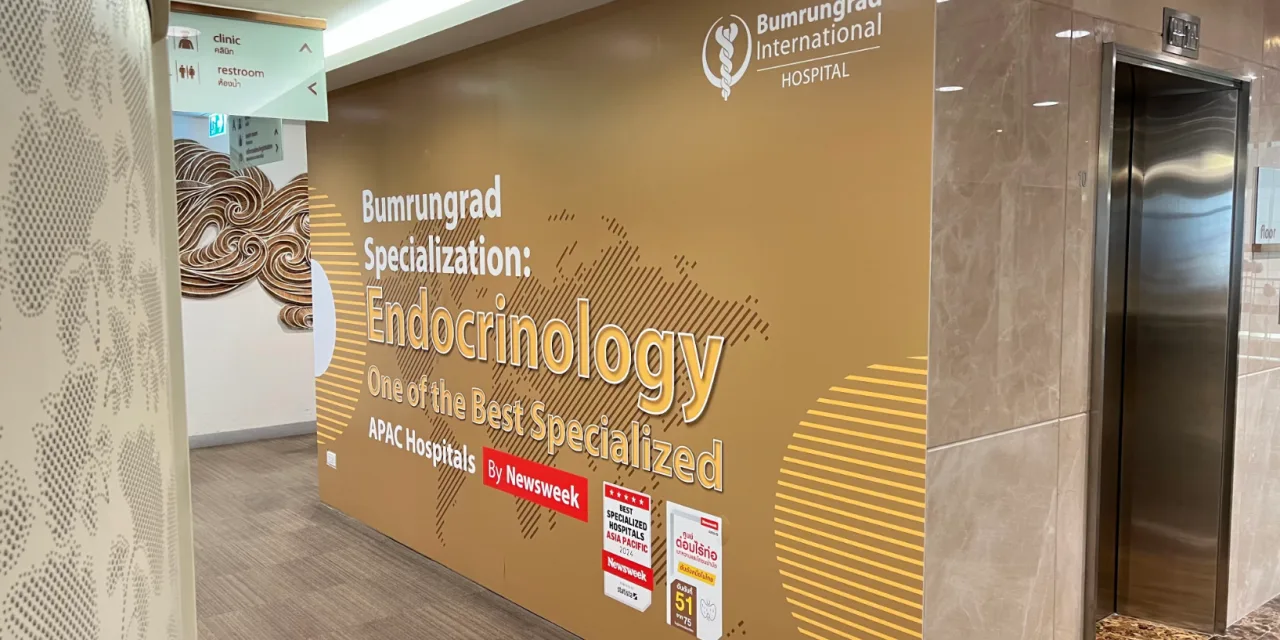
Thai hospitals like Bumrungrad International and Samitivej are world-renowned — not just fancy but internationally accredited.
Affordable Prices
Treatments here can be 30–70% cheaper than in the US or Australia.
| Service | Australia | Thailand |
| Rhinoplasty | AUD 9,000 | AUD 2,500 |
| IVF Cycle | AUD 10,000+ | AUD 4,000 |
| Full Dental Implants | AUD 30,000 | AUD 8,000 |
Holistic Therapies
From Ayurvedic retreats in Chiang Mai to traditional Thai massage in beachside salas — it’s healing on every level.
Challenges Facing the Thai Healthcare Boom
Now look, it’s not all paradise and papaya salad.
Thailand is still heavily dependent on medical imports — importing devices worth over 2.1 trillion baht (USD 58 billion). That’s massive.
The main hurdles?
- Limited R&D investment in health tech
- Lack of infrastructure in rural regions
- Heavy competition from Malaysia and Singapore, both of whom are stepping up their wellness game
If Thailand wants to keep its edge, it’ll need to build its own medical tech empire — and quick.

The Role of Innovation in Thailand’s Health Sector
Enter the National Innovation Agency (NIA).
Led by Krithpaka Boonfueng, the NIA’s backing local start-ups with up to 70% funding and giving SMEs a leg up with 30% support.
Their goal? Make Thailand not just a user of medical tech but a global exporter of high-quality medical devices.
That means:
- Better support for R&D hubs
- More public-private partnerships
- Programs that attract international health-tech investors
It’s ambitious. But darling, this is Thailand — if anyone can do it with style, it’s them.
Medical Fair Thailand 2025: One to Watch
Mark your calendar: September 10, 2025, at the Bangkok International Trade & Exhibition Centre (BITEC).
This isn’t just a trade fair. It’s the epicentre of medical innovation in Southeast Asia.
Organised by Messe Düsseldorf Asia, the event will showcase the latest in:
- Robotic surgery
- Diagnostic imaging
- Health IT
- AI in medicine
- Sustainable healthcare solutions
And it’s not just for medtech nerds — it’s a powerful symbol of how far Thailand’s come, and where it’s headed.
“What if something goes wrong?”
Risks, Realities, and What You Actually Need to Prepare For
Even paradise has fine print.
While Thailand’s medical tourism sector is miles ahead in quality and innovation, it’s not a fairy tale.
Here’s what you really need to think about:
Choose Accredited Hospitals
Stick with places certified by JCI (Joint Commission International) or ISO.
Hospitals like Bumrungrad International, Samitivej Sukhumvit, and Bangkok Hospital offer:
- Fully English-speaking staff
- International-standard hygiene
- Advanced surgical tech
- Transparent pricing upfront
Don’t be seduced by a too-good-to-be-true deal down some Soi you can’t pronounce.
Understand the Recovery Process
A Thai hospital might look like a boutique hotel, but post-op care is serious business.
Factor in:
- How long you’ll need in Thailand before flying home
- Follow-up appointments and prescription needs
- Whether your travel insurance covers elective treatments
That “nip and tuck before Bali” plan might need a bit more padding than your flight itinerary allows.

The Thai Hospitals Leading the Charge in Medical Tourism
The big players in Thailand’s healthcare travel boom aren’t just clinics — they’re full-blown healthcare resorts.
Here are three hospitals you’ll hear about often (and for good reason):
Bumrungrad International Hospital – Bangkok
- Known for: Executive check-ups, cosmetic surgery, cardiology
- LSI keywords: global healthcare standards, international medical centre
Samitivej Sukhumvit Hospital – Bangkok
- Known for: Paediatrics, orthopaedics, women’s health
- LSI keywords: expat-friendly healthcare, family medical tourism
Phuket International Hospital
- Known for: Dental surgery, IVF, aesthetic treatments
- LSI keywords: island wellness clinics, reproductive health services
These places don’t just treat patients — they host them.
Think hotel suites, in-room dining, spa services, and concierge-level admin support for visas and airport pick-ups.

Wellness Tourism in Thailand: Beyond the Clinic
Let’s not forget the other half of the picture — Thailand’s wellness tourism industry, which is thriving alongside its clinical counterpart.
After all, healing isn’t just surgery.
It’s deep-tissue massages under banana trees and detox retreats where you cry out your old self and sip turmeric tonics after.
Top Spots for Wellness Escapes
- Chiva-Som – Hua Hin: Detox, yoga, holistic nutrition
- Kamalaya – Koh Samui: Emotional healing, stress recovery
- The Sanctuary – Koh Phangan: Raw food, reiki, spiritual retreats
These centres are driving the ASEAN wellness tourism market, drawing in folks looking to recharge after medical procedures or simply avoid them altogether.
LSI: healing retreats, detox holidays, yoga tourism, integrative medicine, Eastern therapies.
Thailand’s spa scene blends tradition, luxury, and natural therapies.
What Makes Thailand’s Wellness Experiences Unique?
Culture and Tradition
Wellness isn’t new here — it’s embedded in Thai heritage.
From traditional Thai massage, rooted in Buddhist healing, to herbal compresses that smell like heaven and knock out muscle pain better than Panadol.
Natural Environment
Healing by the sea? Check.
Mountain air detox in Chiang Mai? Also check.
Thailand offers what no sterile Western hospital can: natural beauty as therapy.
Affordability + Luxury
In Thailand, your wellness travel dollar stretches beautifully.
You could do a full Ayurvedic cleanse, three massages a week, private yoga, and still have coin left over for cocktails in a coconut.
Who’s Flying In?
A Peek Into Thailand’s Wellness + Medical Tourist Crowd
This part fascinates me.
The Thailand medical tourism boom isn’t just for wealthy retirees or influencers with new cheekbones.
Here’s who’s landing at Suvarnabhumi or Phuket International Airport and heading straight to clinics or spas:
The Over-50 Solo Traveller
Looking for orthopaedic relief or anti-ageing treatments without the waitlists or attitude.
The Medical Nomad
Remote worker using a visa run to get dental work or IVF done on the side.
The Corporate Jetsetter
Here for an executive check-up bundled with a few spa days.
The Gender-Affirming Tourist
Thailand is globally respected for transgender healthcare and gender-affirming surgeries, offering support and expertise that many countries still lack.
LSI: health tourism for transgender individuals, SRS in Thailand, LGBTQ+ medical services.
The Future of Medical and Wellness Tourism in Thailand
The future of Thailand’s medical and wellness tourism industry is being shaped by three powerful forces:
1. Tech-Driven Innovation
The National Innovation Agency (NIA) is investing in health tech start-ups that could change the way surgeries, diagnostics, and even telemedicine work.
Think:
- AI-assisted surgery
- Virtual recovery consultations
- Health data tracking via mobile apps
2. Government Investment
Thailand’s got a plan — and a budget — to reduce reliance on imports and grow local medical device manufacturing.
Krithpaka Boonfueng of the NIA is pushing hard to make Thailand a healthcare exporter, not just a destination.
3. Global Demand for Affordable Wellness
As healthcare costs rise in the West, demand for affordable alternatives is exploding.
And Thailand, with its combo of affordability, quality, and charm, is sitting right in the sweet spot.
What You Should Pack (Besides Your Passport)
If you’re seriously considering jumping on the medical tourism Thailand train, here’s what I tell friends at the bar:
- Bring every medical record you can get your hands on – scans, meds, reports.
- Pack comfy clothes you can lounge or recover in – think linen, not Lycra.
- Don’t forget insurance – especially if you’re planning anything invasive.
- Line up your recovery space – hotel, resort, or a care apartment through the hospital.
- Plan to stay longer than you think you need – healing takes time, even in paradise.
FAQs: Medical and Wellness Tourism in Thailand
Is it safe to get surgery in Thailand?
Yes, as long as you stick to internationally accredited hospitals. Do your homework, check the surgeon’s credentials, and avoid back-alley deals.
Do doctors and staff speak English?
Absolutely — especially in big hospitals like Bumrungrad, Samitivej, and Bangkok Hospital.
Is Thailand better than Malaysia or Singapore for medical tourism?
It depends on what you’re after. Singapore is ultra-modern (and ultra-pricey). Malaysia has excellent care too. But Thailand wins on affordability + vibe.
What is the visa process for medical tourism in Thailand?
Thailand offers Medical Tourist Visas — and many hospitals help with the paperwork. Easy peasy.
Are there age restrictions for treatments?
Generally, no. Whether you’re in your 20s or 70s, if you’re healthy enough for travel and treatment, you’re welcome.
Final Thoughts
Thailand’s boom in medical and wellness tourism isn’t just about hospitals or massages — it’s about how a country turned care into an art form.
It’s about being greeted with jasmine garlands and leaving with a straighter spine or a new smile — and still having change left for cocktails on the beach.
As someone who’s watched the rise of this industry firsthand — from beach bars to boardrooms — I can say with full confidence: Thailand’s boom in medical and wellness tourism isn’t slowing down. It’s just getting warmed up.