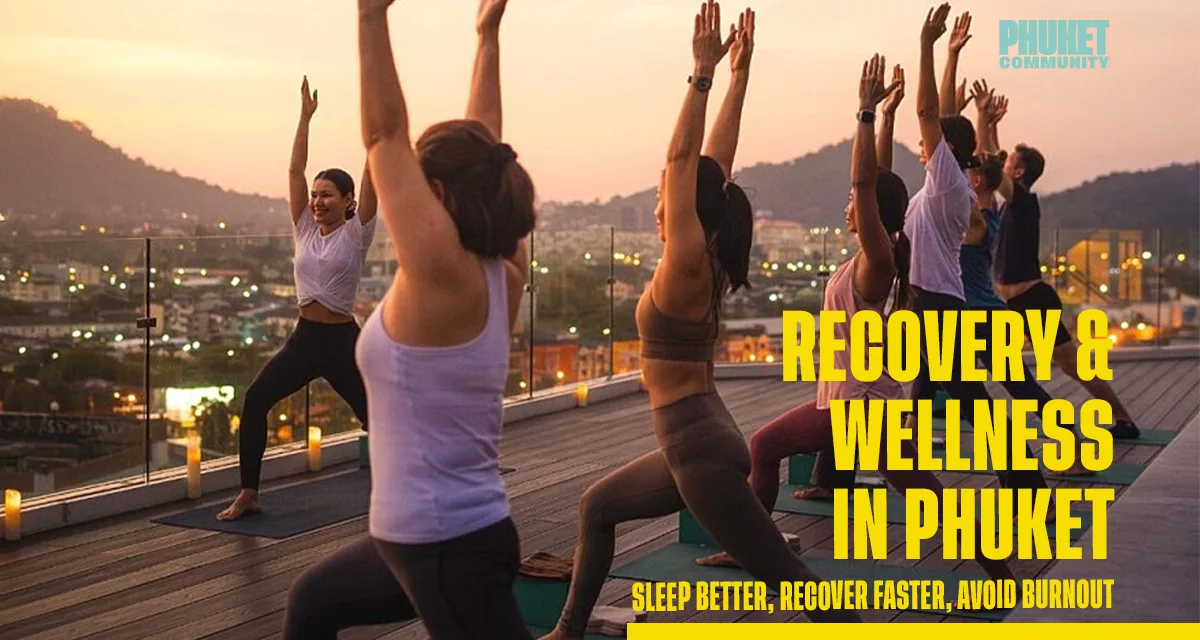
Recovery in Phuket isn’t automatic. Heat, training volume, and lifestyle stress add up fast, even when everything looks ideal. This piece breaks down why people feel tired here, where recovery goes wrong, and how to avoid quiet burnout while training long-term.
Table of Contents
Table of Contents
People land in Phuket buzzing.
New gym. Cheap drop-ins. Warm air. You tell yourself this is the reset. You’ll train more. Recover better. Finally get ahead.
First week feels great. You double up sessions. Morning weights. Afternoon Muay Thai. Ice bath because it’s there. Massage because it’s cheap. Sleep comes easy. Or so you think.
By week two, something shifts. You’re still training, but it feels heavier. Legs don’t snap back. You wake up tired even after a full night in bed. Little things start to feel harder than they should.
You brush it off. It’s the heat. Or jet lag. Or “just adapting.”
That’s how it usually starts.
Recovery in Phuket is strange like that. The heat adds stress you don’t notice. Training volume creeps up without asking permission. Days blur together because everything is available, all the time.
No single session breaks you. No big mistake. Just a slow drain.
Most burnout here isn’t dramatic. It’s quiet. You don’t see it coming until you’re already in it.
Why Recovery in Phuket Is Different
Recovery in Phuket feels like it should be easier.
You’ve got time. Gyms everywhere. Massage on every corner. The ocean. Sunshine. Compared to back home, it looks like the perfect setup for athlete recovery.
But the body doesn’t see it that way.
Training in the heat changes things. Humidity sits on you all day, not just during sessions. You sweat more. You dehydrate faster. Your nervous system stays switched on longer than you realise.
Then there’s the routine shift. New bed. New food. New schedule. You walk more. You talk more. You do more, even on rest days. None of it feels heavy, but it all counts.
That’s the quiet part people miss. Even good stress stacks up.
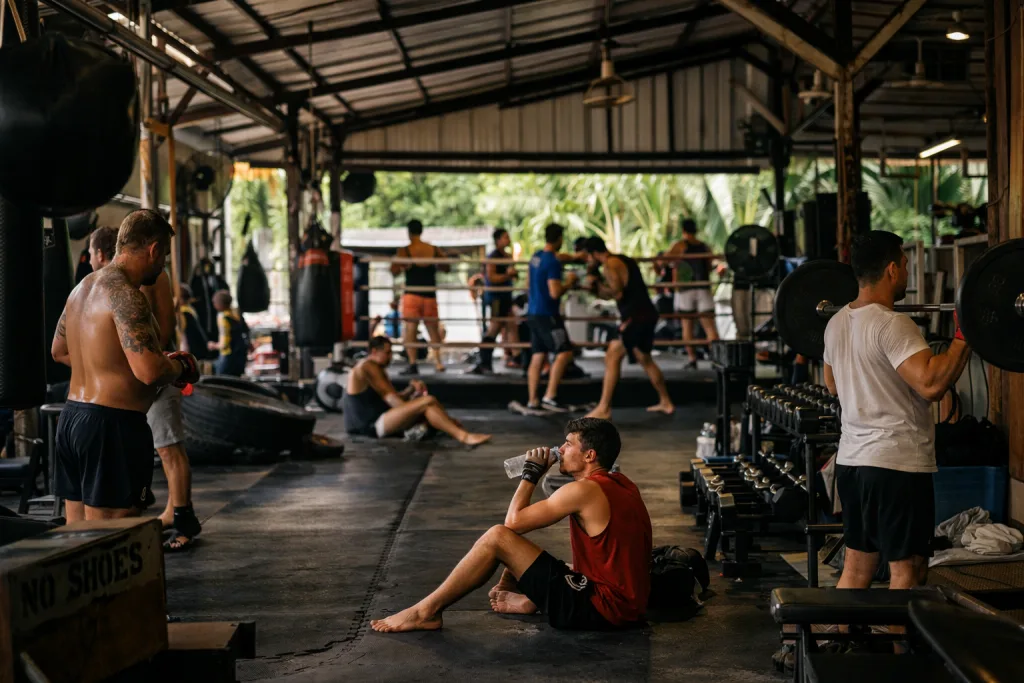
Recovery in Phuket isn’t just about what you do in the gym. It’s everything around it. The climate. The constant movement. The fact that there’s always another session you could jump into.
Most people don’t notice the load building until they feel flat for no clear reason.
If this sounds familiar, you’re probably nodding along to a few of these:
- Training more often than you planned
- Sweating all day, not just when you train
- Sleeping “enough” but waking up tired
- Feeling busy even on rest days
None of that means you’re doing something wrong. It just means Phuket asks more from your recovery than you expect.
Ice Baths, Saunas & Massage Culture in Phuket
Phuket spoils you when it comes to recovery.
Ice baths at gyms. Saunas in condo buildings. Massage shops every few steps. Compared to most places, it feels like athlete recovery on easy mode.
That’s the luxury part.
The trap is thinking access equals recovery. That if you stack enough cold plunges, heat, and bodywork, your body will just keep up.
It doesn’t work like that.
Recovery in Phuket isn’t about doing more recovery things. It’s about using the right ones at the right time. How you use these tools matters more than how often you touch them.
Before getting specific, it helps to look at where people tend to drift off course.
Ice Baths in Phuket: Helpful, Until They’re Not
Ice bath Phuket culture is strong. Cold plunge tubs are everywhere, and they feel amazing when you’re cooked from training in the heat.
Cold exposure recovery works best for calming things down. Inflammation. Swelling. That fried feeling after hard sessions.
Where people slip up is using ice for everything.
I’ve seen guys ice after every lift, every run, every class. Weeks later they’re wondering why they feel flat. Strength isn’t moving. Muscles feel dull, not fresh.
Ice helps you feel better fast. It doesn’t always help you adapt.
A simple way people keep it useful:
- Use ice after brutal or high-volume days
- Skip it after lighter strength sessions
- Short dips beat long suffering
- If you feel numb all the time, it’s probably too much
Saunas in a Tropical Climate
Sauna Phuket gym setups look appealing. But in a place where you’re already sweating all day, timing matters.
Midday sauna after training in the heat can push you deeper into fatigue. You leave feeling relaxed, then drained an hour later.
Evening sauna is different. When used calmly, it can help the nervous system wind down and support sleep. That’s where sauna sleep benefits actually show up.
Same tool. Very different effect.
A clean rule that works for most people:
If sauna makes you feel more human later, keep it. If it wipes you out, pull it back.
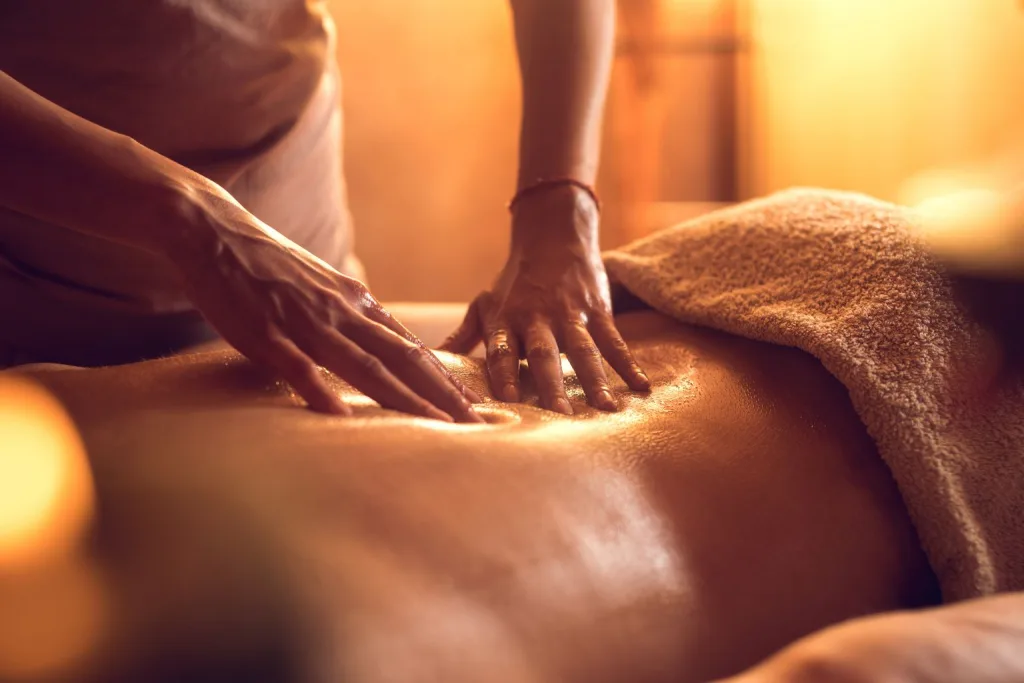
Massage Culture in Phuket
Massage is Phuket’s real recovery advantage.
Thai massage recovery is affordable, frequent, and culturally normal. But not all massage does the same thing.
Thai massage is active. Stretching. Pressure. Joint work. Great when you’re stiff and beat up. Not always relaxing.
Oil massage is slower. Calming. Better when your system feels fried.
The common mistake is chasing pain. Thinking harder means better. It doesn’t.
A simple way people match massage to training load:
- Heavy training block → oil massage
- Stiff, limited movement → Thai massage
- Feeling wrecked overall → go gentle
- Sore doesn’t mean broken
Used well, massage supports recovery. Used blindly, it’s just more stress in disguise.
Sleep Mistakes in Tropical Climates
Sleep is where most people quietly lose ground in Phuket.
They’ll say they’re sleeping eight hours. Sometimes more. But they still wake up tired. Heavy. Foggy. That’s usually the first real sign something’s off.
Sleep in a hot climate is different. Phuket humidity doesn’t fully switch off at night. Your body keeps working when it should be cooling down.
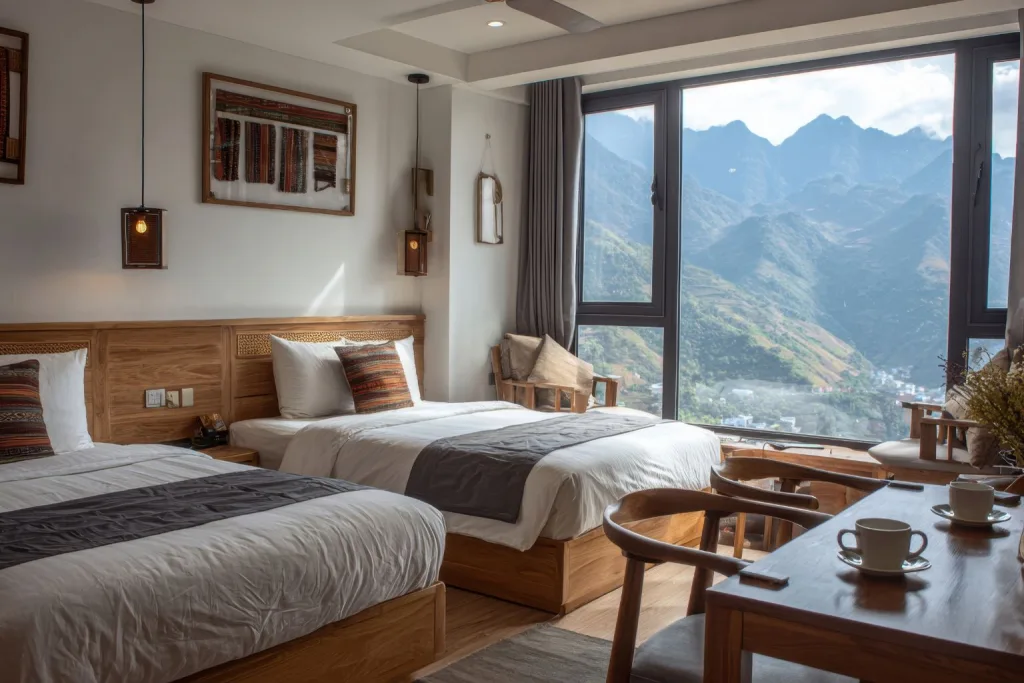
A lot of people try to “toughen up” with the AC. They turn it off halfway through the night. Or blast it, wake up dry and dehydrated, then repeat the cycle. Neither works well.
Hydration timing matters too. People drink all day, then stop early. Or they chug water right before bed and spend the night half-awake. Both leave you feeling flat the next morning.
Late-night training is another quiet problem. Gyms are open. It’s cooler. You feel good during the session. Then your nervous system stays switched on long after you lie down.
Alcohol sneaks in the same way. A beer feels relaxing. Sleep comes fast. The quality drops off a cliff.
None of this means you’re broken. These are normal tropical sleep problems. Most people just don’t connect them to how tired they feel during training.
A few things people often recognise in themselves:
- Room too warm or AC cycling on and off
- Waking up thirsty or dry
- Training hard late at night
- Drinking close to bedtime
- Sleeping “enough” but not feeling rested
In Phuket, sleep isn’t just about hours in bed. It’s about letting your body fully come down in a place that never really cools off.
Overtraining Traps in Phuket
Overtraining in Phuket rarely looks dramatic.
It usually starts with good intentions. A morning lift. An afternoon Muay Thai class. Everything’s cheap. Everything’s close. Training twice a day in Thailand feels normal when everyone around you is doing it.
The volume sneaks in quietly.
Drop-in classes make it easy to add “just one more session.” You don’t miss anything by skipping rest days, because there’s always another class tomorrow. Or later today.
I’ve watched people stack Muay Thai and strength training without changing either. Same weights. Same rounds. Same pace. A few weeks later they’re flat, irritable, and wondering why nothing feels sharp anymore.
That’s Muay Thai burnout in Phuket. Not a collapse. A slow dulling.
The body doesn’t separate sessions. It only sees total load. Heat turns that load up even more.
Common overtraining traps people fall into here:
- Training twice a day Thailand-style, every day
- Mixing hard Muay Thai with heavy lifting
- Treating rest days as optional
- Adding recovery tools instead of reducing volume
- Ignoring small drops in mood, sleep, or motivation
Most people don’t need more discipline. They need fewer stacked days. Overtraining in Phuket isn’t about being weak. It’s about underestimating how fast the work adds up.
Who Actually Lasts in Phuket
The people who last in Phuket don’t stand out much.
They’re not the ones training the hardest in week one. Not the loudest. Not stacking sessions every day. If you weren’t paying attention, you might think they’re underdoing it.
They’re not.
They train consistently. Same times. Same rough schedule. They leave sessions with something still in the tank. Recovery in Phuket is part of their plan, not something they fix later.
Sleep is boring for them. Cool room. Same bedtime. No guessing. They protect it because they’ve learned what happens when they don’t.
Rest days are real days off. Not sneaky cardio. Not “just a light session.” Actual space for the body to settle.
I’ve seen this pattern repeat. The people still training six months in aren’t intense. They’re steady. They adjust when training in the heat starts to drag them down instead of pushing harder.
That’s the quiet truth here. Phuket doesn’t reward extremes. It rewards people who keep showing up without burning themselves out.
Most people don’t burn out in Phuket because they stop caring.
They burn out because they care a lot, in a place that quietly asks more from the body than it gives back.
Recovery here is the limiter. Not motivation. Not discipline. You can be driven and still run yourself into the ground if you miss that part.
Nothing in this is about doing more. It’s about noticing. How you sleep. How you feel walking into sessions. Whether training still feels sharp or just heavy.
Phuket works best when you pay attention early instead of fixing things late.
If you’re training here long-term, recovery & wellness in Phuket isn’t a side topic. It’s the main one. Everything else builds on it. Gyms, Muay Thai, massage, ice baths. They all work better when recovery comes first.
The people who stay healthy don’t force changes. They adjust. Quietly. Before things go sideways.
That’s usually enough.
If you’re serious about staying healthy while training here, where you train matters.
Some gyms in Phuket make recovery easier. Others quietly drain you.
We put together a guide to the places locals, fighters, and long-stay expats actually train. No hype. Just real gyms, real setups, and what to expect.
👉 Best Gyms in Phuket 2026: Where Locals, Fighters & Expats Actually Train