Thinking about living in Phuket but unsure what it really costs? This guide breaks down the Cost of Living in Phuket in 2026, based on everyday life, not tourist prices. From rent and food to transport and routines, it’s a clear look at what people actually spend once things settle in.
Table of Contents
It usually starts the same way.
Someone lands in Phuket, opens Airbnb, scrolls a bit too fast, then pauses. The numbers feel high. A coffee costs more than expected. A smoothie bowl costs more than lunch back home. And suddenly the thought pops up: Is living here actually expensive?
That reaction makes sense. Phuket shows you the glossy version first. Beach towns, short-term rentals, tourist menus. If that’s all you see, it’s easy to think the whole island runs on inflated prices.
But that’s not the full picture.
Phuket isn’t cheap. Anyone saying it is probably hasn’t paid an electricity bill in April. At the same time, it’s not outrageously expensive either. Not in the way people imagine when they compare it to Western beach cities or resort towns.
What matters here isn’t the headline number. It’s how you live.
Where you rent.
What you eat most days.
How you get around.
Those choices shape your monthly costs far more than Phuket itself.
This article isn’t about selling a dream or scaring you off. It’s about what people actually spend once the first impressions fade and daily life kicks in. The normal stuff. Rent, food, transport, and the small habits that quietly add up.
Think of it as a reality check. The calm kind.
Is Phuket Expensive? The Short Answer
Short answer: it depends what you’re comparing it to.
If Phuket is your first stop in Thailand, it can feel expensive at first. Especially if you land in a beach area and everything around you is built for short stays. But once you zoom out a bit, the picture changes.
Here’s a simple way to think about it:
- Compared to Chiang Mai: yes, Phuket is more expensive. Rents are higher. Transport costs more. Chiang Mai is easier on the wallet overall.
- Compared to Bangkok: it’s mixed. Central Bangkok can cost more than Phuket. Suburbs and local areas are often cheaper.
- Compared to Western beach cities: Phuket is still far cheaper for day-to-day life. Rent, food, and services don’t come close to places like Australia, Europe, or the US.
So why does Phuket feel expensive?
A few reasons show up again and again.
Tourism plays a big role. Many prices are set for visitors staying a week, not people living here long term. Island life matters too. Things have to be shipped in, and that pushes costs up slightly. Then there’s lifestyle creep. Beach cafés, imported food, short-term rentals. They’re easy to fall into without noticing.
Phuket isn’t cheap, but it’s not wildly overpriced either. It just rewards people who slow down, look around, and adjust how they live.
Cost of Living in Phuket Per Month
If you ask ten people in Phuket what they spend each month, you’ll get ten different answers. And most of them will be right.
That’s why exact numbers don’t really work here. Life in Phuket is flexible. One month you eat local most days. The next month friends visit and everything costs a bit more. Rent can be modest or it can quietly double depending on where you live and how long you stay.
Ranges make more sense. They leave room for real life.
Most people living here fall into one of three broad lifestyles.
Local or simple living usually means an inland rental, a scooter, and eating mostly Thai food. It’s not about cutting corners. It’s just living in a way that matches the island.
Comfortable expat living is where many long-term expats and digital nomads land. A decent condo, a mix of local and Western food, gym memberships, and the occasional taxi without overthinking it.
Family or Western-style living looks different. More space, often a car, imported groceries, and higher monthly bills across the board. Comfort comes with a higher baseline.
These categories aren’t goals. They’re reference points. Most people move between them over time. The idea here isn’t to fit yourself into a box, but to understand where your own habits are likely to land.
Monthly Cost of Living in Phuket (Typical Ranges)
| Lifestyle | Monthly Cost (THB) | Who This Fits |
| Local / Simple | 20,000–30,000 | Long-stay locals, solo expats, people living inland and eating mostly Thai food |
| Comfortable Expat | 45,000–60,000 | Most digital nomads and long-term expats with a balanced lifestyle |
| Family / Western | 80,000–100,000+ | Families, larger homes, cars, and more imported habits |
These aren’t bare-bones survival numbers, and they’re not luxury budgets either. They reflect how people actually live once things settle into a routine. Some months will come in lower. Others will creep higher. That’s normal in Phuket, and it’s why thinking in ranges is far more useful than chasing a perfect number.
Rent in Phuket: Where Most of the Money Goes
For most people living in Phuket, rent is the biggest monthly cost. Everything else tends to move around the edges. Rent sets the baseline.
Long-term prices vary a lot, mostly based on location.
Inland areas like Chalong, Kathu, or parts of Rawai usually sit in the 18,000–25,000 baht range for a one-bedroom condo. These places aren’t flashy, but they’re practical. Easy access to shops, gyms, and everyday life.
Beach-adjacent areas cost more. Condos near Kata, Karon, or Patong often land somewhere between 25,000 and 45,000 baht. You’re paying for proximity, not size. Walkability to the beach has a price.
Houses and small villas start higher. Long-term rentals often begin around 35,000 baht and move up from there depending on space, location, and whether there’s a pool involved.
A pattern shows up again and again. People arrive, rent close to the beach, enjoy it for a few months, then quietly move inland. Not because the beach stops being beautiful, but because daily life gets easier and rent suddenly makes more sense.
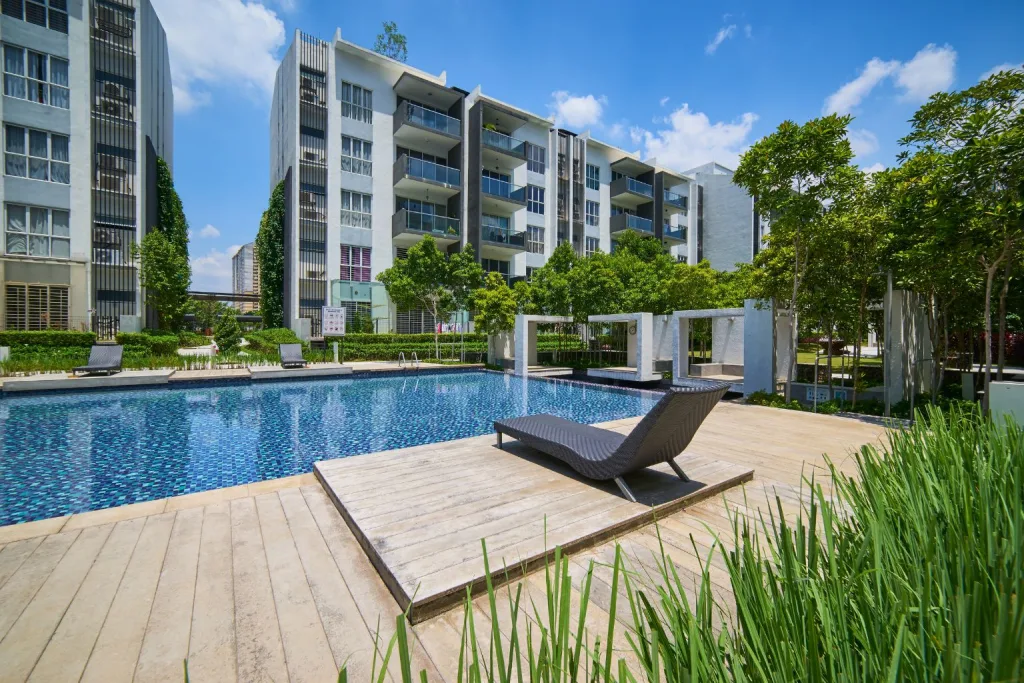
More Affordable Areas to Live in Phuket
Some parts of Phuket cost less simply because they’re built for daily life, not short stays.
Chalong is a good example. It’s inland, busy in a practical way, and full of places people actually use. Gyms, markets, clinics, schools. You’re not paying for sea views, but everything you need is close.
Kathu sits between Phuket Town and Patong. It doesn’t get much tourist traffic, which keeps rents steadier. Many people choose it for the central location and quieter pace without feeling isolated.
Rawai, once you move away from the beachfront, becomes much more livable price-wise. The back streets and residential areas feel local. Long-term rentals are easier to find, and day-to-day costs settle down.
These areas cost less mainly because they’re not built around tourism. Fewer holiday rentals. Less foot traffic. More long-term residents. For many people, that trade-off ends up feeling like a win rather than a compromise.
Food Costs in Phuket: It’s About Habits, Not Income
Food costs in Phuket don’t really depend on how much you earn. They depend on how you eat.
Two people can live on the same street and spend very different amounts each month. One eats local most days. The other leans heavily on cafés and imported groceries. Neither is wrong. The totals just look different.
Local Thai food is everywhere. Street stalls, small shops, markets. Meals are filling, quick, and priced for people who eat them every day. When this makes up most of your week, food costs stay predictable.
Western cafés and supermarkets tell a different story. Coffee, baked goods, cheese, and imported items cost more, especially when they become routine instead of occasional. A few café visits a week doesn’t feel like much. Over a month, it adds up quietly.
Most long-term residents land somewhere in the middle. Local food during the week. Western meals when they feel like it. That balance is what keeps food costs manageable without feeling restricted.
Eating Local in Phuket
Eating local in Phuket doesn’t mean doing anything special. It’s just eating what’s around you.
Street food is the obvious starting point. Grilled chicken, rice dishes, noodle soups. The kind of meals people grab between work or on the way home. Prices usually sit somewhere around 50 to 100 baht, and the food is fresh and filling.
Local cafés and small restaurants cost a bit more, but they’re still reasonable. A sit-down Thai meal often lands in the 80 to 150 baht range. These places aren’t aimed at visitors. They’re built for regulars, so quality stays consistent.
Markets make a big difference too. Fresh fruit, vegetables, eggs, cooked dishes, and ready-made meals. Many people pick up dinner there without thinking twice. It’s quick, affordable, and part of daily life.
When local food becomes the default, monthly costs drop naturally. There’s no feeling of cutting back. You’re just eating the way the island already does.
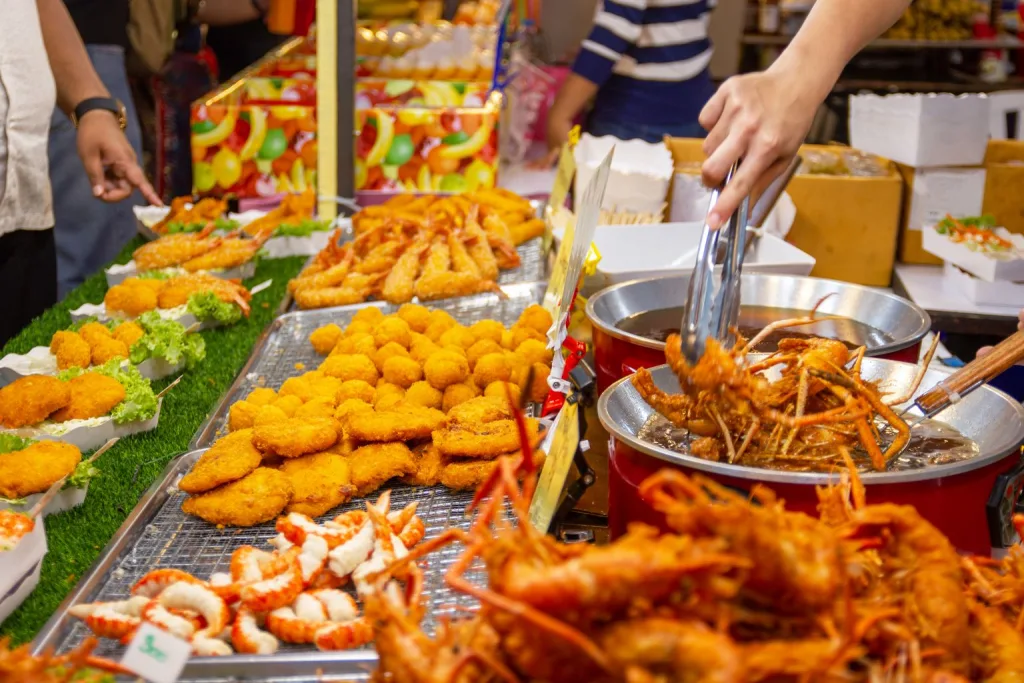
Western Food, Cafés, and Imported Groceries
Western food is easy to find in Phuket. Too easy, sometimes.
Cafés are everywhere now. Good coffee, smoothie bowls, brunch menus that look familiar. A single visit doesn’t feel expensive. Do it a few times a week and the total starts to shift without much notice.
Imported groceries work the same way. Cheese, cereal, snacks, sauces. None of it feels excessive on its own, but the basket adds up faster than people expect. Especially if those items become part of the weekly routine.
Most people don’t cut these things out. They just learn where they fit. A café catch-up here. A supermarket run there. When Western food stays occasional instead of automatic, food costs stay balanced without much effort.
Transport Costs in Phuket
Transport is one cost you can’t really avoid in Phuket.
The island isn’t built for walking as part of daily life. Shops, gyms, markets, and beaches are spread out. Footpaths come and go. Heat plays a role too. What looks close on a map doesn’t feel close at midday.
That’s why most people end up with some kind of vehicle. It’s not about status. It’s about convenience.
Scooters are the most common choice. They’re practical, affordable, and flexible. Cars come into the picture for families, longer distances, or people who want air-conditioning and storage.
Neither option is a luxury here. They’re just tools for getting through the day without turning every errand into a plan.
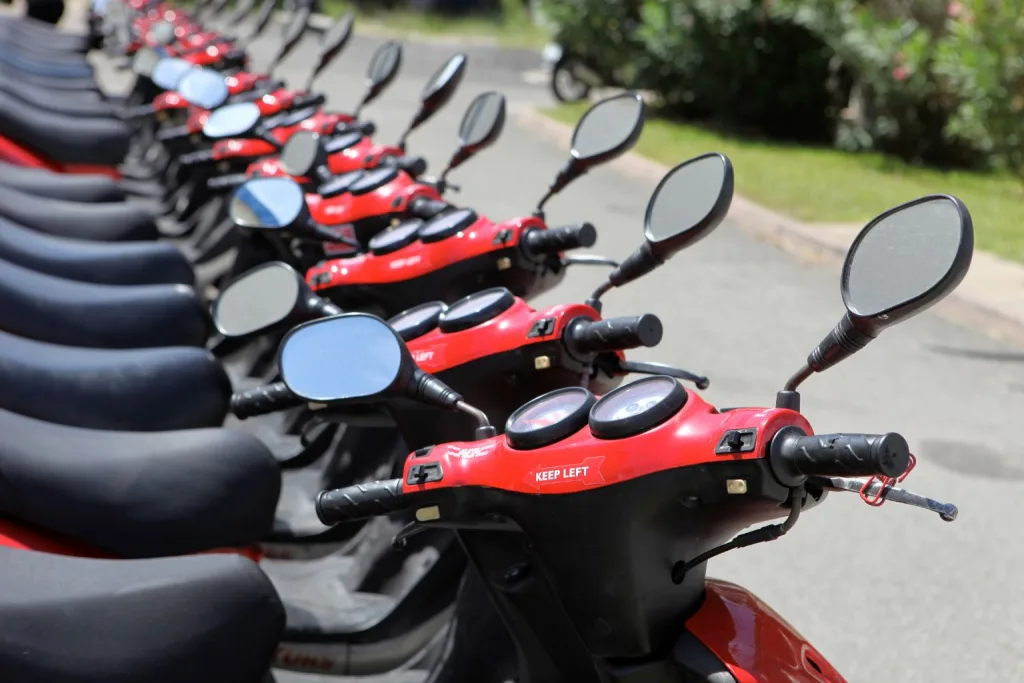
Scooter vs Car Living in Phuket
Most people in Phuket end up choosing between a scooter and a car. The difference shows up quickly in monthly costs and daily routines.
Scooters usually cost around 3,000 to 5,000 baht per month to rent. Fuel is cheap, parking is easy, and short trips don’t take much planning. For solo living, it works well.
Cars sit higher. Monthly rentals often land between 8,000 and 12,000 baht, before fuel. You get air-conditioning, storage, and comfort in the rain. It’s a common choice for families or anyone doing longer drives every day.
The key thing is deciding early. Transport quietly shapes everything else, from where you rent to how often you go out. Lock that choice in first, and the rest of the budget becomes easier to manage.
Healthcare, Gyms, and Everyday Extras
Beyond rent, food, and transport, there are a few regular costs that become part of daily life in Phuket. The good news is that most of them are predictable.
Healthcare is straightforward. Private clinics are easy to find and appointments are quick. A basic visit usually sits around 900 to 1,000 baht, and you know the cost before you walk in. There’s very little guesswork.
Gyms and fitness are similar. Standard gym memberships often fall in the 2,000 to 3,000 baht per month range. Muay Thai gyms and fitness studios vary more, but pricing is usually clear upfront.
Wellness extras like massage, stretching sessions, or recovery treatments are common here. People use them regularly, not as luxury splurges. Once you settle into a routine, these costs tend to stay consistent rather than creeping up month to month.
Healthcare Costs in Phuket
Healthcare in Phuket is mostly handled through private clinics. That’s where people go for everyday issues, check-ups, or minor injuries.
Appointments are usually quick. Walk in, get seen, get sorted. A standard visit often costs around 900 to 1,000 baht, depending on what’s needed. You’re told the price before anything happens, which makes it easy to plan.
The system feels reliable. You don’t wait weeks. You don’t fill out endless paperwork. For most residents, healthcare becomes a predictable line in the monthly budget rather than something to worry about.
Gym Memberships and Fitness
Fitness is part of everyday life in Phuket, and the options are broad.
Standard gyms are easy to find across the island. Most monthly memberships sit around 2,000 to 3,000 baht. They’re simple, functional, and enough for regular training without extra add-ons.
Muay Thai gyms work a bit differently. Prices vary based on training frequency, facilities, and whether accommodation is involved. Some people train a few times a week. Others treat it like a full-time routine. Costs shift depending on that commitment.
For most residents, fitness isn’t a luxury line item. It’s just another regular expense that stays fairly stable once you know what fits your schedule.
Cost of Living by Lifestyle
In Phuket, costs shift less because of income and more because of how someone sets up their days. The island supports very different ways of living, often in the same neighbourhood.
Some people keep life simple. Others build routines that look closer to home. Neither approach is better. They just land at different numbers by the end of the month.
These lifestyle examples aren’t meant as templates to follow. They’re snapshots. Ways people commonly live once the initial excitement fades and daily habits take over. Seeing the differences helps explain why monthly costs in Phuket can vary so much without anything unusual happening.
Digital Nomad Living in Phuket
A typical digital nomad setup in Phuket is fairly balanced. Rent is usually a one-bedroom condo inland, somewhere quiet but close enough to cafés and gyms. Long-term leases keep costs steady.
Food is mixed. Local meals during the week. Cafés when work spills into the afternoon or friends want to meet. Nothing extreme, just a rhythm that works.
Transport is almost always a scooter. It’s easy, affordable, and fits short daily trips. A car only shows up if visitors come or the rainy season starts to feel long.
Gyms or cowork cafés become part of the routine rather than treats. Once that routine settles in, monthly costs stop fluctuating and start to feel predictable.
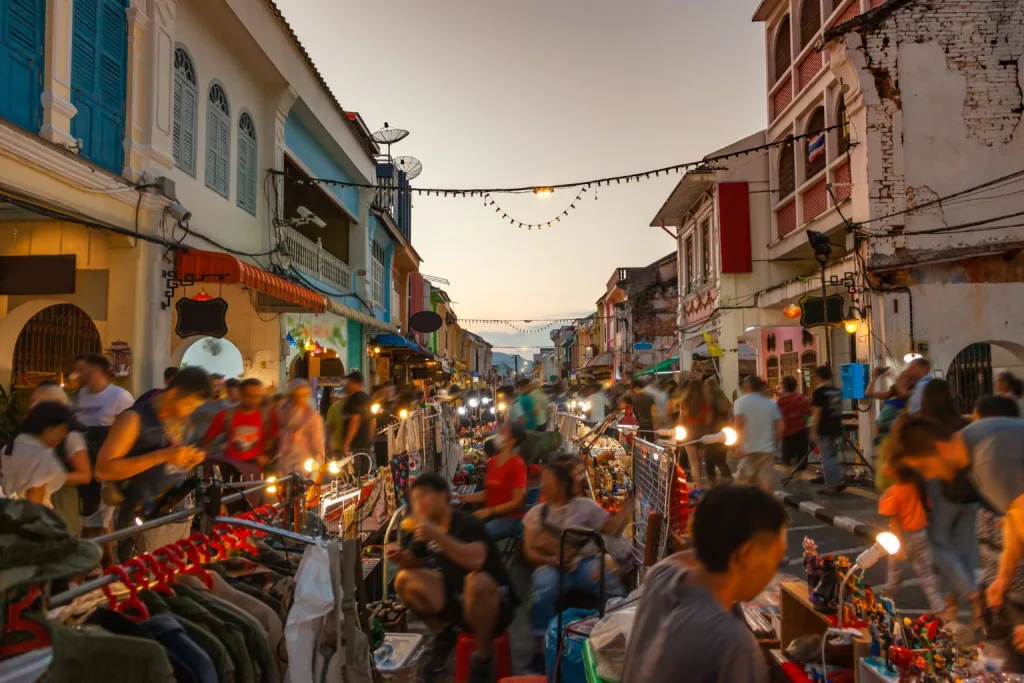
Long-Term Expat Living in Phuket
Long-term expat life in Phuket tends to look settled. Rent is locked in with a yearly contract, often in an inland area where prices don’t jump around. Moving less becomes part of the plan.
Food follows familiar patterns. Local meals most days, with a few regular cafés or restaurants in the mix. Grocery shopping becomes routine, not an event.
Transport is consistent. Either a scooter that’s been around for years or a car that makes errands easier. No experimenting. Just what works.
Gym memberships, healthcare, and other regular costs stay steady month to month. Over time, spending becomes predictable. That’s usually the goal.
Family Living in Phuket
Family life in Phuket comes with a different set of needs. Space matters more. Most families look for larger condos or houses, which naturally pushes rent higher.
Transport shifts too. Scooters stop being practical for daily life, so cars become the norm. School runs, shopping, and weekend plans all depend on it.
Schooling is another factor. International and bilingual schools add a separate monthly cost that families plan around early. Once those pieces are in place, family budgets tend to stay steady. The structure matters more than the surprises.
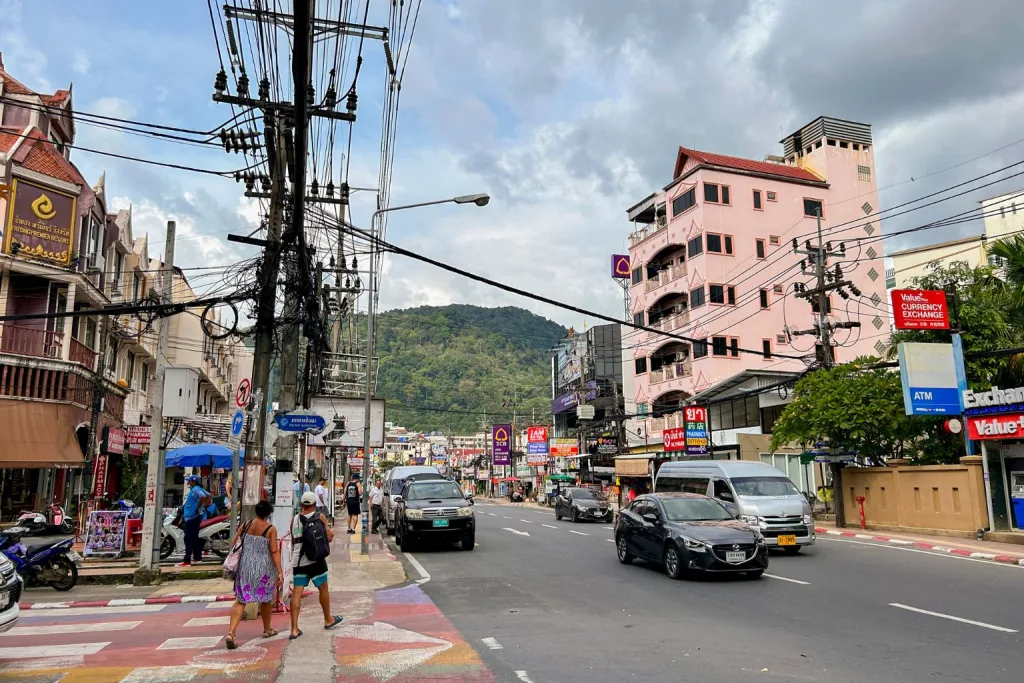
Phuket vs Bangkok vs Chiang Mai
Each place in Thailand comes with its own cost pattern. None of them work the same way.
- Phuket: Higher rent in popular areas. Transport is almost always needed. Daily life costs stay manageable if routines are local and long-term.
- Bangkok: Wide range of prices depending on location. Central areas cost more. Suburbs offer better value but come with longer travel times.
- Chiang Mai: Lower rent overall. Easier to live cheaply. Fewer transport costs for day-to-day life, but fewer lifestyle options too.
The trade-offs are mostly about space, pace, and convenience. Costs follow those choices rather than the city itself.
Hidden Costs in Phuket
Some costs in Phuket don’t show up right away. They appear once daily life settles in.
Electricity is one of them. Air-conditioning gets used more than people expect, especially during hot months. Bills climb quietly, not dramatically, but enough to notice.
Short-term rent is another common one. Monthly or three-month rentals often cost far more than long-term leases. Many people overpay at first, then adjust once they understand the areas better.
Visas add their own layer. Extensions, runs, and paperwork come with fees that aren’t monthly but still part of living here. They’re manageable, just easy to forget when planning a budget.
Imported habits work the same way. Western food, snacks, and home comforts don’t feel expensive in isolation. Over time, they become one of the bigger quiet costs.
None of these are problems. They’re just part of living on an island where small choices shape the total.
Cost of Living in Phuket: FAQs
Is Phuket expensive compared to the rest of Thailand?
Yes, compared to places like Chiang Mai. Less so compared to central Bangkok or Western cities.
Can you live in Phuket on a low budget?
Yes, if you live inland, eat mostly local food, and keep transport simple.
What’s the biggest monthly expense in Phuket?
Rent, almost always.
Is Phuket more expensive than Bali?
Daily costs are similar. Rent and transport often tip Phuket slightly higher.
Do costs change a lot month to month?
Not once you settle in. Most fluctuations happen early on.
Is Phuket worth the cost?
For people who like island life and routine, it usually is.
So, What Does It Really Cost to Live in Phuket in 2026?
Living in Phuket doesn’t come down to a single number. It comes down to how you set things up.
The island tends to reward people who are intentional. Where you live. How long you commit for. What becomes routine versus occasional. Those choices shape monthly costs far more than income alone.
You can spend a lot in Phuket without getting much more in return. Short-term rent, constant cafés, convenience everywhere. You can also spend less and feel settled, simply by aligning daily life with how the island works.
Phuket isn’t cheap, but it isn’t unpredictable either. Once routines settle in, costs stop feeling surprising. The people who seem most comfortable here usually aren’t chasing the lowest budget or the highest lifestyle. They’ve just found a balance that fits.