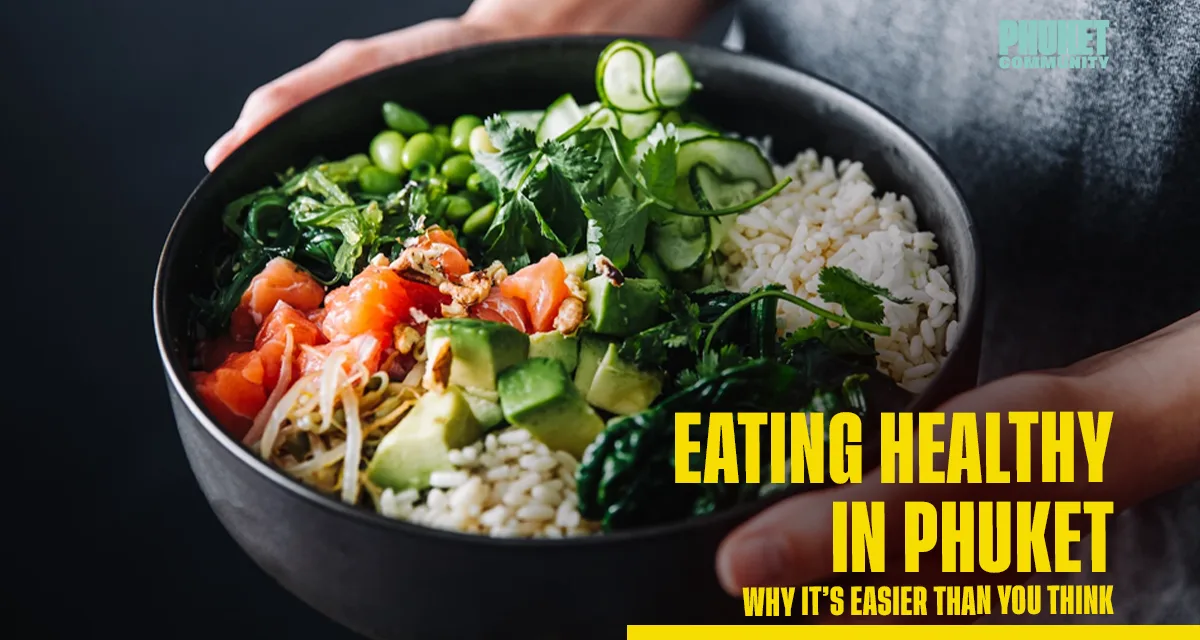
Eating Healthy in Phuket doesn’t have to be complicated, expensive, or restrictive. This article breaks down how people who actually live and train here eat day to day, from street food habits to simple local protein sources. No trends, no rules. Just real food, real routines, and why keeping it simple works better in Phuket.
Table of Contents
The Wrong Assumption Everyone Makes
The first week in Phuket usually goes the same way.
Jet lag. A couple of beach walks. Then the food panic kicks in.
You see people hunched over Google Maps searching for “healthy cafe,” “clean food,” or “macro bowls.” They walk past local places without looking twice. Plastic chairs. Fans buzzing. A grill smoking on the side of the road. Doesn’t look healthy enough.
Meanwhile, the locals are eating grilled chicken and rice. Eggs over rice. Soup with vegetables. A plate of fruit cut fresh in front of them. Fighters finish training, towel over their shoulder, and sit down to the same kind of meal. No drama. No labels.
That’s the part most people miss.
Healthy eating in Phuket doesn’t look Western. It’s not branded. It’s not styled for Instagram. It doesn’t come with a mission statement taped to the wall.
It just works.
When you’re training once or twice a day, or even just staying active, you start noticing patterns. The people who last here aren’t chasing the perfect café. They’re eating simple food, consistently, close to where they train. The same way they choose gyms based on routine and location, not hype.
Once that clicks, the whole food thing starts to feel a lot less complicated.
Street Food vs Western “Healthy” Cafes
The Reality Check
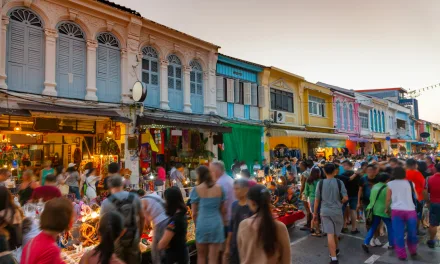
Street food in Phuket doesn’t try to impress you.
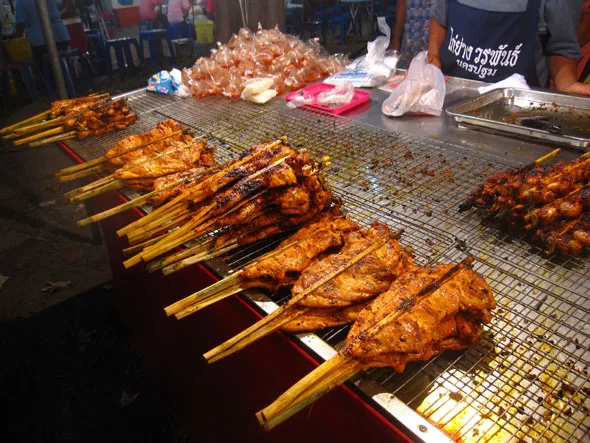
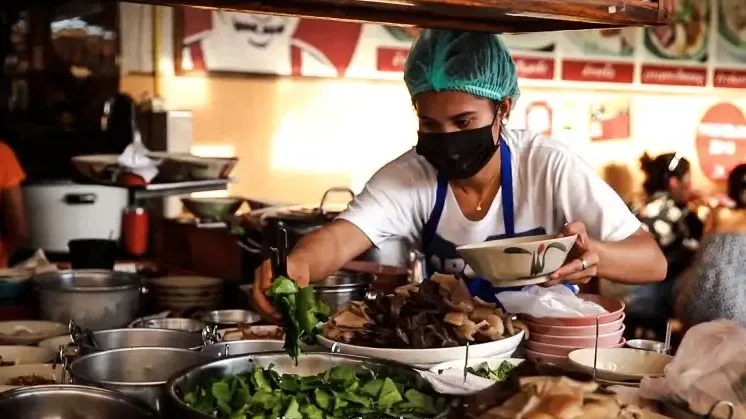
It’s grilled chicken or pork over rice. Eggs fried fast and dropped on top. Clear soups with vegetables and a bit of meat. Stir-fried greens. Fruit cut up while you wait. You point, you order, you eat.
For people training or living here longer than a week, this kind of food just fits. It’s cheap enough to eat every day. It’s cooked fresh. It’s fast. And if you want less oil or no sugar, you ask and they adjust without making a big deal out of it.
That’s why it works long-term.
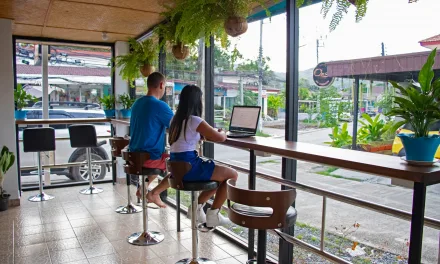
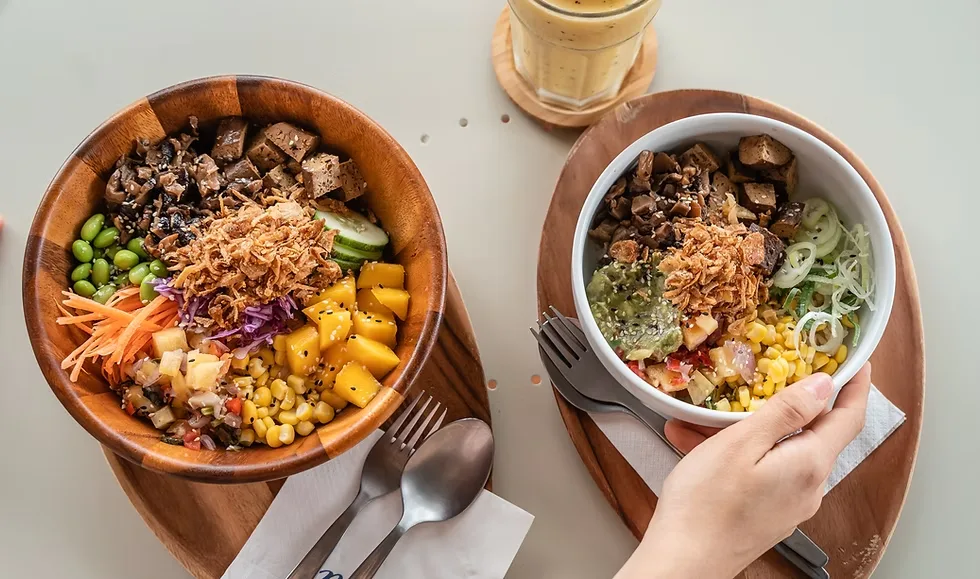
Western-style healthy cafes aren’t the enemy. They’re comfortable. Air-con, Wi-Fi, familiar menus. They’re good places to meet friends or reset when you’re missing home. Bowls, smoothies, salads. You know what you’re getting.
The problem starts when they become the default.
Eating that way every day gets expensive fast. Portions creep up. Smoothies turn into meals. “Healthy” starts meaning complicated. A lot of people end up spending more money and more mental energy on food than they ever did back home.
You see it most clearly in the difference between tourists and people who stick around. Short-term visitors bounce between cafes. Long-term trainers eat close to where they live and train. Same simple meals, on repeat. The same logic they use when choosing where to train applies to food too. Convenience, consistency, and not overthinking it.
Once you notice that pattern, it’s hard to unsee it.
Protein Sources Locals Actually Eat
This Is the Gold
This is usually the quiet worry no one says out loud.
“Okay, but where do you actually get protein here?”
The answer is simple. The same places locals always have.
Eggs are everywhere. Morning, afternoon, late night. Fried, boiled, dropped on rice. Chicken is grilled on the street, chopped into soups, or served over rice. Pork shows up constantly too, and not always the fatty kind people imagine. Fish and seafood are normal, everyday food, not something fancy. Tofu shows up in soups and stir-fries without anyone calling it a lifestyle choice.
None of it feels like “protein food.” It’s just food.
You notice it most after training. Fighters finish a session, sit down nearby, and eat. Rice. Meat. Soup. Maybe eggs. Same thing most days. No shakes lined up. No phones out tracking anything. Just eating and moving on.
It’s repetitive. It’s boring. And it works.
Plenty of people training twice a day here eat exactly like this for months. Especially around Muay Thai gyms, where food spots exist purely because hungry people keep showing up after sessions. The meals are built around recovery without anyone ever using that word.
That consistency matters more than people realize. Eating regular, simple meals is part of why people avoid burning out. It ties directly into recovery, sleep, and how long your body holds up here. Not in a dramatic way. Just quietly, day after day.
Once you see that, the protein question kind of disappears.
Eating Healthy by Area
One thing that becomes obvious after a while is that food in Phuket follows geography.
Not in a complicated way. Just in a practical one.
If you’re training around Chalong or Rawai, most of your meals end up being street food. Not because you’re trying to be hardcore, but because that’s what’s there. Protein-heavy plates. Rice, grilled meat, eggs, soups. Cheap, fast, and timed around training sessions. Places that expect you to show up sweaty and hungry, eat quickly, and leave.
Up north in Bangtao, the rhythm changes a bit. More cafes. More bowls. More sit-down meals. It suits people balancing training with work, families, or a softer schedule. It’s still easy to eat well, it just looks a little more familiar if you’re new to the island.
Phuket Town feels different again. Markets, old vegetarian spots, small local restaurants that have been there forever. A lot of people skip these places because they don’t look “healthy” on the outside, but the food is simple and consistent. Less designed, more lived in.
The common thread is this: where you eat usually follows where you train. Your daily routine shapes your food more than any plan ever will. That’s why people who stick around tend to choose both gyms and meals based on location, not hype. Once those two line up, everything gets easier.
Healthy Eating Spots in Phuket (Map)
Common Mistakes People Make
I’ve seen this a lot.
People arrive with good intentions, but they carry habits from somewhere else and try to force them onto Phuket.
One of the big ones is avoiding street food. Not because it made them feel bad, but because it doesn’t look “clean.” So they walk past easy, filling meals and end up hungry later, chasing something else. Usually more expensive. Usually more complicated.
Another pattern is over-ordering smoothies and bowls. One turns into two. A snack turns into a full meal. It feels light, but it adds up fast, both in money and in energy. People start feeling flat and can’t quite figure out why.
Then there’s eating like you’re “on a program.” Same rigid rules, same structure, same expectations as back home. That works for a week or two, then reality kicks in. Training times shift. Weather hits harder. Schedules change. The food plan doesn’t bend, so something else has to.
Hydration and sleep get ignored in the process. Not on purpose. It just happens. Meals become the focus, while the basics slide into the background.
What’s interesting is that most burnout here doesn’t come from training too much. It comes from pushing against the environment instead of settling into it. Food, recovery, sleep, heat. They’re all connected. When one gets overcomplicated, the rest usually follow.
The Simple Truth
By the time people settle in, the panic usually fades.
Not because they found the perfect café or figured out some secret system. It fades because they stop trying so hard to control everything. Food becomes part of the day again, not a problem to solve.
You don’t need perfection here. Nobody is eating perfectly. What works is eating regularly, eating simply, and not turning every meal into a decision. Phuket makes that easier once you let it.
The people who last don’t overthink it. They eat close to where they train. They drink water. They sleep when they can. Food supports the routine instead of competing with it.
When you start eating the way locals actually eat, things quiet down. Meals feel lighter, even when they’re filling. Training feels steadier. Life here starts to flow instead of feeling like something you have to manage.
That’s usually when everything clicks.
If food feels easier once your routine makes sense, training works the same way. Where you live, how often you train, and what kind of gym you choose all matter more than people think. If you want a clear breakdown of how locals, fighters, and long-term expats actually train here, you can start here.