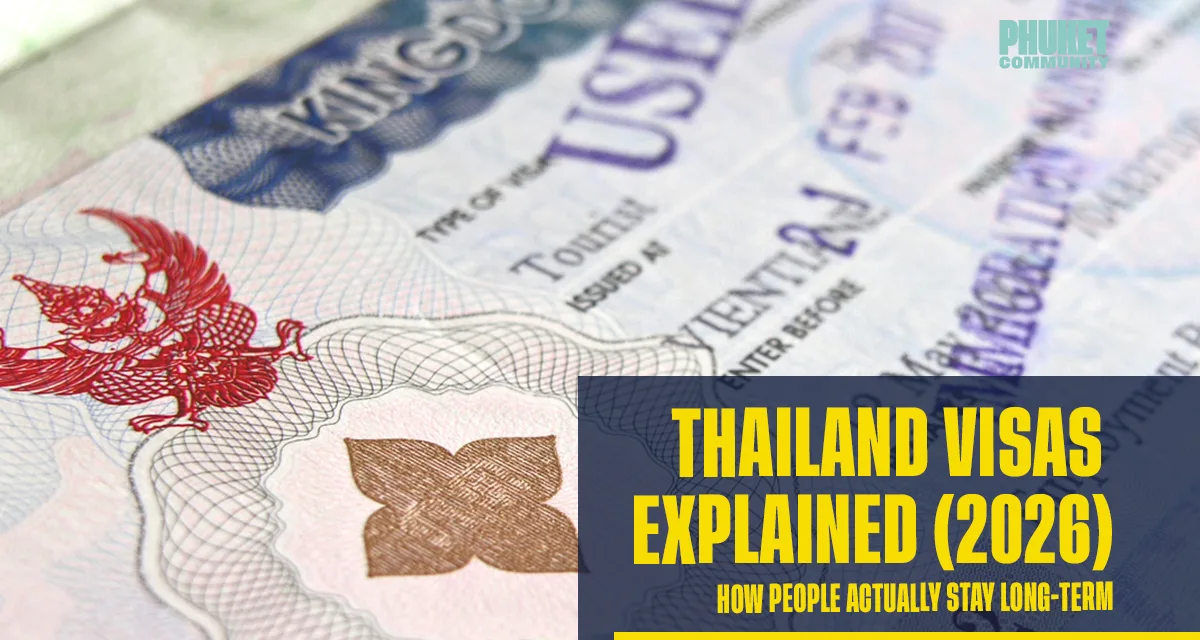
A grounded look at Thailand Visas in 2026, based on how people actually stay long-term. This article breaks down the gap between official rules and real life, exploring common visa paths, long-term living in Phuket, and why simplicity and consistency matter more than clever setups for anyone planning a long-term stay in Thailand.
Table of Contents
Most people land in Thailand thinking visas are a form you fill out once.
Something you sort, stamp, and forget.
That idea usually lasts a few weeks. Maybe a few months if you’re lucky.
Living here has a way of stretching time. Days slow down. Plans soften. And somewhere between the second coffee shop you start calling “yours” and the gym staff learning your name, the visa question comes back. Quieter this time. Less urgent. More real.
Thailand visas look simple from the outside. A list. A category. A clear label. But a long-term stay in Thailand rarely follows a straight line. People adjust. They change direction. They learn what fits their life as it actually unfolds.
Most people who end up living in Thailand long-term didn’t decide everything upfront. They arrived, stayed a bit longer, then figured out the next step. Then the next one after that.
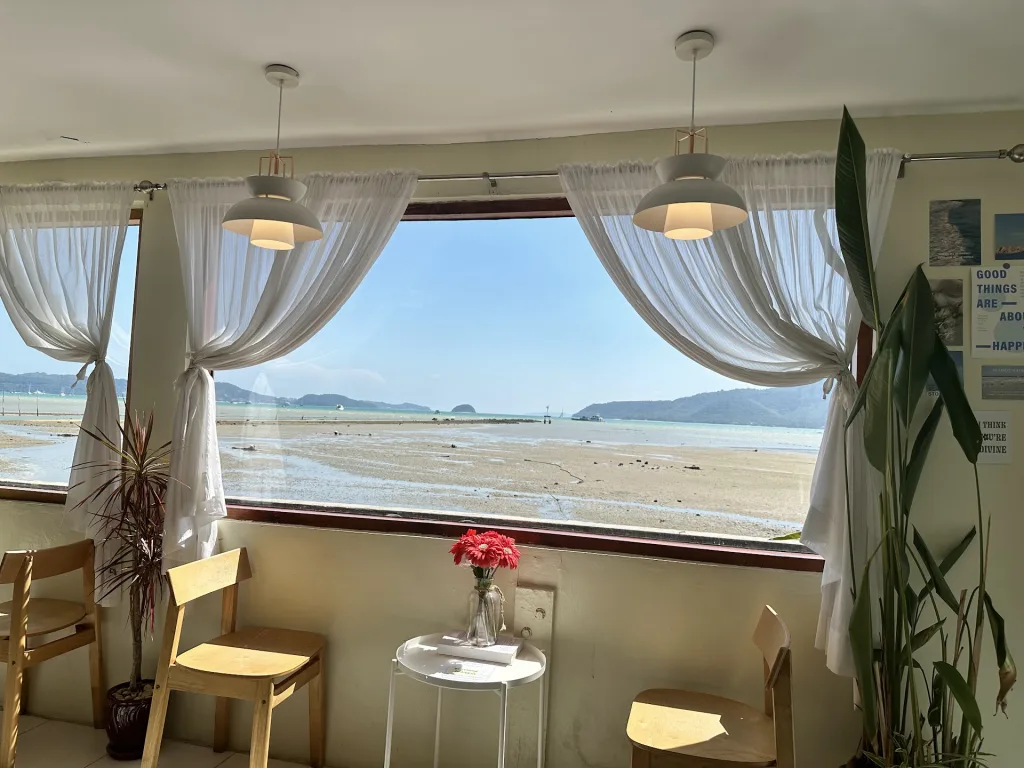
Thailand Visas on Paper vs Real Life
On paper, Thailand visas look neat.
Clear names. Clear boxes. Clear timelines.
That’s usually how people first understand them. You read a page, pick a category, and assume that’s your lane. What’s missing is time. And life. And the way plans quietly change once you’re actually living in Thailand legally, not just passing through.
Over time, most long-term residents don’t stay on one visa forever. Not because they’re chasing something better. More because life here shifts. Work changes. Relationships change. Priorities change. Visas tend to follow, not lead.
This is the part that rarely shows up in guides. Thailand visas explained online often sound fixed. In real life, they’re more flexible, more situational, and sometimes more confusing than expected.
Things that surprise people sooner or later:
- The rules look stable, but how they’re applied can feel different over time
- What worked for someone else doesn’t always fit your situation
- A visa that made sense early on might stop making sense later
- Long-term living is usually a series of adjustments, not one perfect setup
None of this is dramatic. It’s just how staying here tends to unfold once Thailand becomes normal life instead of a plan.
The Visa Paths People Actually Use Long-Term
After a while, you start noticing patterns.
Not because you’re looking for them. They just show up in conversation.
Someone mentions what they started on. Someone else talks about what they switched to later. It’s never framed as a plan. More like a story that makes sense now, looking back.
These aren’t recommendations. Just things you hear often enough that they stop sounding unusual. People settle in, life fills up, and the visa tends to adjust around that. Not the other way around.
This is less about the “right” option and more about how long-term living usually unfolds once Thailand feels like home.
Education Visas: The Soft Landing
For a lot of people, an education visa Thailand is where things start to feel stable. Not permanent. Just settled enough to breathe.
It gives people time. Time to learn the rhythm of the place. Time to stop feeling like everything is temporary. You see it in the way routines form. Regular classes. Familiar faces. A sense that staying a bit longer is possible.
Most people don’t see it as a final setup. More like a pause where life can take shape. Training improves. Language starts to stick. Phuket begins to feel normal instead of new.
When people talk about staying in Thailand long term, education visas often come up as part of the early chapter. Useful for a while. Rarely the whole story.
Business & Company Visas: Quiet but Serious
You don’t hear much noise around a Thailand business visa.
That’s kind of the point.
The people who go this route usually aren’t chasing flexibility. They’re looking for something steady. A setup that lets life run without constant calendar checking. Among expats in Thailand, this option often shows up later, once work and routines are already in place.
There’s nothing flashy about it. No big story attached. It’s chosen because it lowers the background stress. Fewer surprises. Fewer last-minute adjustments.
For people planning to stay a while, that quiet predictability starts to matter more than anything else.
Thailand Elite Visa: Paying for Silence
The Thailand Elite visa doesn’t come up in conversation very often. When it does, it’s usually said plainly. No pitch. No excitement.
For some people, it’s not about status at all. It’s about silence. No reminders. No timelines in the back of your head. Just knowing the visa part of life is handled for a while.
Among long-term visas Thailand offers, this one tends to attract people who are already settled. Work is stable. Life is predictable. They’d rather think about their day than their paperwork.
It’s less a lifestyle upgrade and more a way to stop thinking about visas altogether.
Retirement & Family Visas: More Flexible Than They Sound
These visas often get boxed into simple ideas. Retirement means old. Family means settled in one role forever. Real life looks wider than that.
A retirement visa Thailand option often shows up for people who just want stability. Less noise. Fewer moving parts. It’s not always about slowing down. It’s about keeping life steady.
The same goes for a family visa Thailand path. It’s less about labels and more about roots. Shared routines. Familiar places. Knowing where you’ll be next month without checking a calendar every day.
Both tend to appeal to people who’ve stopped experimenting and started staying. Not because they have to. Because it fits the life they’re already living.
The Grey Zone: Digital Nomads and Visa Stacking
This path exists. Everyone knows it does. It just doesn’t get talked about too loudly.
For a lot of people working online, digital nomad Thailand life starts out feeling light. Flexible. Easy to move around. Visas sit in the background while life stays simple.
Over time, that feeling can change. Dates matter more. Trips start to revolve around paperwork. Visa runs Thailand become part of the rhythm instead of an exception.
There’s no drama in it. Just a slow shift in how much mental space visas take up. Some people are fine with that for years. Others eventually look for something quieter.
Various Visa Types in Thailand
When people talk about visas, it often sounds abstract. Categories. Letters. Acronyms.
It’s easier to see it laid out.
This isn’t a guide. Just a snapshot. An overview of what’s out there, and which visas people usually end up using when staying longer rather than passing through.
| Visa Category | Visa Type | What It’s Commonly Used For | Typical Stay Length | Often Used for Long-Term Stay |
| Tourist | Tourist (TR) | Short visits, holidays | Up to 60 days | No |
| Tourist | Destination Thailand Visa (DTV) | Remote work, creative work | Up to 5 years | Sometimes |
| Business / Work | Non-Immigrant B | Employment, business activities | 1 year (renewable) | Yes |
| Business / Special | SMART Visa | Tech, startups, targeted industries | Up to 4 years | Yes |
| Education | Non-Immigrant ED | Studying, language schools, training | 90 days to 1 year | Short-term stepping stone |
| Family / Personal | Non-Immigrant O | Family, spouse, dependents | 1 year (renewable) | Yes |
| Retirement | Non-Immigrant O-A / O-X | Retirees | 1–10 years | Yes |
| Long-Term | LTR Visa | Retirees, professionals, remote workers | Up to 10 years | Yes |
| Long-Term | Thai Elite Visa | Long stays with minimal admin | 5–20 years | Yes |
| Transit / Official | Transit, Diplomatic | Transit or official duties | Short duration | No |
Most people staying long-term don’t memorize this table.
They just recognize where they roughly fit as life settles in.
Over time, the list stops feeling theoretical. A few options fall away. A few start to make sense. And eventually, one of them lines up with how living here actually looks day to day.
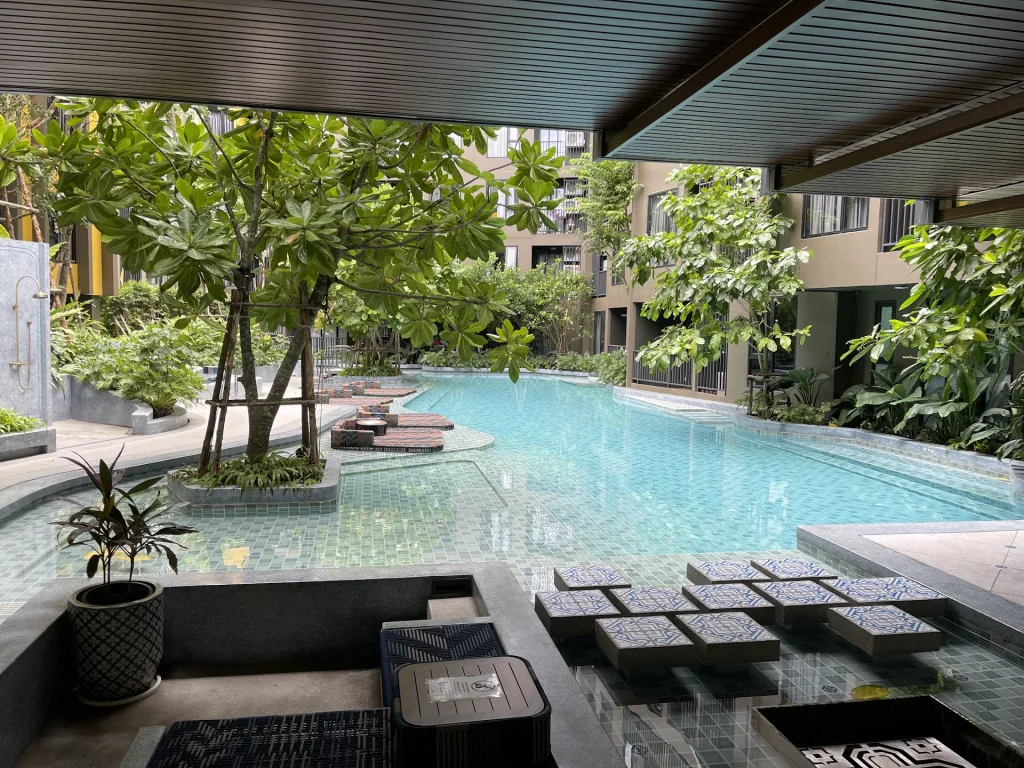
Why the People Who Last Choose Boring Visas
After a few years, something shifts.
The excitement around visas fades. What’s left is a preference for calm.
Long stay foreigners Thailand tend to value predictability more than flexibility. Not because they’ve lost curiosity, but because daily life matters more. Sleep. Training. Work. Familiar faces. The visa becomes something you want to think about as little as possible.
When people talk about how to stay in Thailand long term, it rarely sounds clever. It sounds practical. Quiet. Almost dull in the best way.
What “boring” usually looks like:
- Fewer deadlines to track
- Less border-related planning
- Paperwork that repeats instead of changes
- A setup that fits around life, not the other way around
It’s not about settling. It’s about removing friction so life here stays simple.
Visa Agents: The Unofficial Translators
Most people don’t start out using agents. They try to understand things on their own first. Read a few pages. Ask a few friends. Piece it together.
After a while, that approach gets tiring. Not because the rules are impossible, but because Thailand immigration rules don’t always feel like plain language. That’s usually when visa agents Thailand enter the picture.
Agents tend to translate theory into something usable. Not changing the rules. Just explaining how they tend to show up in real life. What matters. What’s flexible. What usually isn’t.
For many long-term residents, it’s less about outsourcing responsibility and more about reducing noise. One less thing to interpret while getting on with daily life.
What 2026 Looks Like on the Ground
Nothing feels dramatic on the ground right now.
If anything, things feel more settled than before.
Thailand visa options 2026 don’t seem built around big surprises. The direction feels steady. More systems. More screens. Fewer paper moments that catch people off guard. The process feels less mysterious, even if it’s still detailed.
Updated Thailand visa rules tend to show up quietly. Small adjustments. New steps. Clearer expectations over time. For people already living here, that kind of predictability matters more than speed.
It doesn’t feel tighter or looser. Just more structured. And for long-term living, structure often brings a bit of calm.
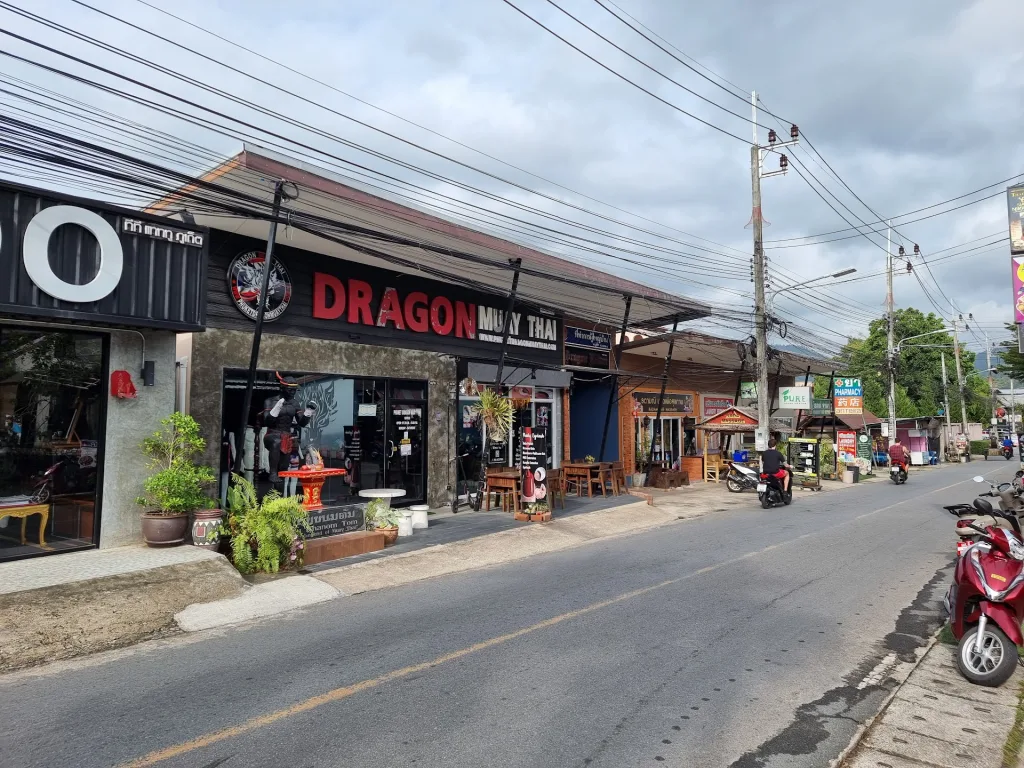
Living in Phuket Makes Visa Choices Feel Different
Phuket has a way of pulling life into routines.
Same gym. Same café. Same road you take without thinking about it.
For Phuket expats, that rhythm changes how visas feel. When your days are full of familiar places and familiar faces, short-term thinking starts to fade. You’re not counting weeks anymore. You’re planning months without noticing it.
Staying in Phuket long term usually happens before the paperwork catches up. Life settles first. Then people look for visa setups that match that pace instead of interrupting it.
That’s why conversations about gyms, food spots, and recovery end up crossing into visa talk. It’s all part of building a life that doesn’t feel temporary. The admin just follows along quietly in the background.
FAQs
These are the questions that come up again and again. In cafés. At gyms. In late-night messages from friends who’ve been here a few months longer than planned.
How do people actually stay in Thailand long-term?
Usually not with one perfect visa. Most people adjust over time. What starts simple tends to evolve as life here settles in.
Is there one “best” visa for living in Thailand?
Not really. What works early on often changes later. Long-term stays tend to follow lifestyle more than paperwork logic.
Do Phuket expats handle visas differently than people elsewhere?
A bit. Staying in Phuket long term often comes with routines that make predictability matter more. The visa choice usually reflects that pace.
Can you live in Thailand legally without working locally?
Yes, many people do. How that looks varies, and it often shifts as someone stays longer and their situation becomes clearer.
Why do people switch visas after a few years?
Life changes. Work changes. Relationships change. Visas usually follow those shifts rather than staying fixed.
Is it normal to feel confused about visas at first?
Very. Most people learn visas by living here, not by reading one guide.
A lot of these questions connect to everyday life more than rules. Training schedules. Where you live. Who you see each week. That’s why visa conversations often overlap with topics like gyms, food, and recovery around Phuket Community. It’s all part of the same picture once Phuket stops feeling temporary.
Staying Long-Term in Thailand Is Less About Visas Than Life
People who stay don’t usually talk much about visas anymore.
Not because they don’t matter. Because they’ve found something that works and stopped circling it.
Life narrows in a good way. Same places. Same routines. The days stop feeling provisional. When things are steady, the paperwork fades into the background where it belongs.
That’s what consistency looks like here. Not excitement. Not clever setups. Just a life that repeats in ways you enjoy.
Visas are part of it, but they’re rarely the point. The people who last tend to build something simple and let everything else quietly support it.