Thailand Tourism in 2026 tells a different story than what you see on arrival. Flights are packed, hotels look busy, and beaches are still alive with travelers. But behind the scenes, things have shifted. From rising flight costs to shorter stays and changing visitor patterns, this article breaks down why Thailand’s tourism industry feels full yet earns less, and what it means for Phuket, the islands, and travelers planning their next trip.
Table of Contents
You land in Phuket and it feels like everything is back to normal.
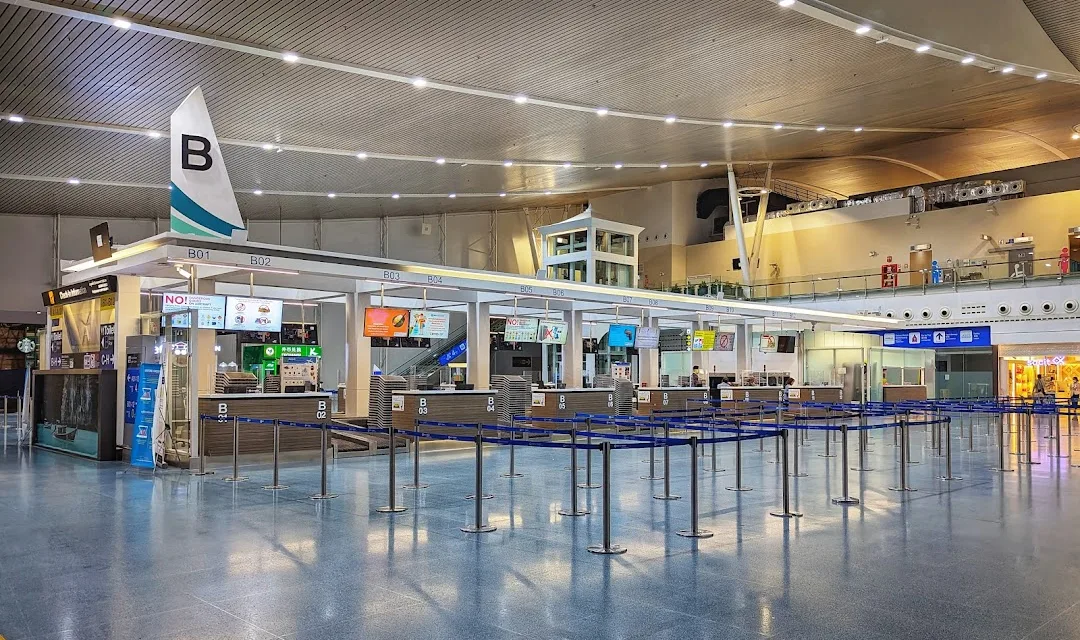
The airport is packed. Taxi drivers are calling out. Someone is already arguing over a Grab fare. By the time you reach your hotel, the lobby is full and there’s a line at check-in. It looks busy. It feels busy.
Later that day, you sit down at a small café near Bangtao. The owner pours your coffee and casually mentions her friend who runs a hotel nearby.
“Full most nights,” she says. Then she shrugs. “But not like before.”
That’s the part that doesn’t show up on the surface.
Because yes, rooms are filling up again. Flights are landing. Beaches are not empty. But behind the scenes, a lot of hotels are making less money than they used to, even with more guests walking through the door.
It sounds a bit backwards at first. More people should mean more revenue. But that’s not how it’s playing out right now.
To understand why, you have to look a little further than Phuket. It starts with what’s happening in the air, far beyond Thailand.
What’s Actually Going On
If you strip it down, Thailand isn’t struggling with demand. People still want to come. The shift is in how they’re traveling, how long they stay, and how much they spend when they get here.
It’s less about empty rooms and more about what each booking is really worth.
Here’s the quick version:
- Flights: Fewer direct routes and longer journeys are making travel more complicated.
- Fuel prices: Higher fuel costs are pushing ticket prices up.
- Tourist behavior: People are taking shorter trips and watching their budgets more closely.
- Hotel pricing: Hotels are lowering or holding prices just to keep rooms filled.
Takeaway: Thailand still feels busy, but each guest is bringing in less value than before.
The Big Shift: From Europe to Asia
Volume vs Revenue
Not long ago, a lot of hotels in places like Phuket and Phang Nga quietly relied on European guests.
They would come for two weeks, sometimes three. They’d settle in, not rush anything, and spend across the board. Nice dinners, day trips, spa days, maybe a few last-minute upgrades. It wasn’t loud spending, but it added up.
Now the mix looks different.
More travelers are coming from across Asia. China, India, nearby countries. Flights are shorter, trips are quicker, and plans are tighter. A long weekend here, five days there. Still busy, still full of energy, just… more compact.
You notice it in small ways. Breakfast feels busier but quicker. People checking out earlier. Fewer guests lingering by the pool in the afternoon.
And this is where the “volume vs revenue” thing comes in.
Hotels might have more people staying, but each stay brings in a bit less. Shorter trips, more careful spending, fewer extras. So even when rooms are filled, the total income doesn’t stretch as far as it used to.
It’s like swapping a handful of long, slow dinners for a steady stream of quick lunches. The place stays full, but the bill at the end of the day feels different.
A Simple Way to Think About It
It’s a bit like running a café.
Before, you had fewer customers, but they sat down, ordered full meals, maybe dessert, and stayed a while.
Now, the place is busier. More people coming in and out. But most are just grabbing a quick coffee and leaving.
You’re working more. The tables are always full.
But at the end of the day, the total earnings don’t quite match what they used to be.
How Different Travelers Compare Right Now
| Traveler Type | Avg Stay Length | Spending Level | Current Trend |
| European luxury | Long (2–3 weeks) | High | Decreasing |
| Chinese tourists | Short (4–6 days) | Mid | Rising fast |
| Indian travelers | Short (4–5 days) | Mid to low | Growing |
| Russian long-stay | Long (2+ weeks) | High | Stable |
Why Flights Got Expensive
The Simple Explanation
A lot of flights between Europe and Thailand usually pass through or near the Middle East.
When conflict affects that region, airlines have to rethink the route. Some planes take longer paths around restricted areas. That means more time in the air, more fuel, and more cost for every flight.
Then fuel prices rise too, which makes things worse.
At that point, airlines have a choice. They can raise ticket prices, reduce flights, or cut some routes for a while.
Most are doing a bit of all three.
The Direct Impact on Thailand Tourism
- Fewer flights: Some routes have been reduced or paused.
- Higher ticket prices: Long-haul travel now costs more.
- Cancellations: Some tour operators are pulling back on group bookings.
- Fewer European visitors: Thailand becomes harder and more expensive to reach.

Phuket vs Phang Nga
Phuket
Spend a few days in Phuket and you can see why it’s holding up better than most places.
Flights are still coming in from all directions. Not as many as before, but enough to keep things moving. The airport stays busy, and that alone makes a big difference. Easy access keeps people coming.
Then there’s the mix of travelers. You’ve got families from India, groups from China, long-stay visitors from Russia, plus a bit of everything else. It’s not reliant on one single market anymore.
And Phuket has built itself around that. Hospitals, shopping, beach clubs, gyms, co-working spaces. Whatever kind of trip someone wants, they can make it work here.
You feel it walking around. Even when things slow down, there’s still a steady rhythm.
Phang Nga
Phang Nga tells a quieter story.
It’s always been a place people come to switch off. Fewer crowds, slower pace, more nature. A lot of its visitors used to come from Europe, staying longer and looking for that calm, tucked-away experience.
The problem now is getting there.
There’s no major international airport. Most travelers pass through Phuket first, and when flights get cut or more expensive, fewer people make that extra step.
On top of that, it hasn’t really pulled in the newer wave of short-haul travelers in the same way. The kind of visitor coming for a quick trip often wants convenience, variety, and things to do close by.
So while Phuket still feels busy, Phang Nga feels noticeably quieter.
Same coastline, same sea.
Just a different level of access, and that changes everything.
Northern Thailand
The Double Hit
Up north, the situation feels heavier.
A lot of people still picture places like Chiang Mai as cool mornings, mountain views, fresh air. That’s usually part of the appeal. You go there to slow down a bit.
But lately, the air hasn’t been what people expect.
During certain months, the haze settles in. You notice it as soon as you step outside. The light looks different, a bit muted. Distant hills fade into the background. It changes the whole feeling of the place.
At the same time, fewer international travelers are making the trip. Flights are more expensive, plans are shorter, and people are choosing easier destinations.
Put those together, and it becomes a harder sell.
If you’re planning a holiday and you hear about poor air quality, you might think twice. Or you switch to somewhere by the beach. It’s not a dramatic decision. Just a quiet change in plans that adds up over time.
A Small Moment
A friend told me about landing in Chiang Mai earlier this year.
First trip up north. He’d been looking forward to it for months. Talking about cool mornings and coffee with a mountain view.
The drive from the airport was calm, but something felt off. The sky looked a bit flat. The air felt heavier than expected.
He didn’t complain. Still explored, still enjoyed parts of it. But he mentioned later that it wasn’t quite what he had pictured.
Nothing dramatic. Just slightly different from the idea he had in his head.
Summer 2026 Risk
Why It Matters
July and August usually bring a steady wave of European families to Thailand.
School holidays line up. Parents take longer breaks. It’s one of those predictable patterns the industry quietly relies on each year.
You’ll see it in places like Phuket. More families by the pool, kids at breakfast buffets, longer stays booked in advance.
That stretch of time helps carry hotels through what would otherwise be a slower season.
So when that flow starts to feel uncertain, people notice. It’s not just about fewer guests. It’s about losing a group that tends to stay longer and spend more while they’re here.
Warning Signs
- Oil prices: Rising fuel costs could push ticket prices even higher.
- Flight cancellations: Airlines may cut more long-haul routes if demand weakens.
- Booking trends: Fewer early bookings or shorter stays are starting to show.
- Consumer confidence: European travelers are feeling more cautious about spending.
What Hotels Are Doing
Shift to Asia
If you talk to hotel teams right now, one thing comes up again and again. They’re looking closer to home.
China and India are the obvious focus. Shorter flights, easier planning, and travelers who can still move even when long-haul routes get messy.
You see small changes everywhere. More staff speaking different languages. Breakfast options shifting slightly. Marketing aimed at regional holidays instead of European summer.
It’s not a full reset. More like a quiet adjustment to who is actually able to travel right now.
Pricing Changes
Pricing has become a bit more flexible.
Instead of pushing rates up, many hotels are trying to make bookings feel easier. Things like free cancellation, pay later options, or small bundles that include breakfast or transfers.
Some add simple perks instead of cutting prices too much. Late check-out, room upgrades when available, a bit of credit to spend on food.
It’s less about big discounts and more about making the decision to book feel low risk.
Experience Focus
There’s also a shift away from just selling a room.
Hotels are putting more attention on what guests actually do during their stay. Wellness programs, spa days, local food experiences, small group activities.
You notice it in the details. Cooking classes showing up on the schedule. Yoga sessions in the morning. Staff recommending nearby spots instead of just pointing to the beach.
The stay becomes a bit more rounded, not just a place to sleep.
Domestic Travel
At the same time, local travel has picked up quietly.
More people from Bangkok or nearby provinces are taking short trips. A couple of nights by the beach, a quick weekend reset, nothing too planned.
You see it in parking lots with more local plates. Families arriving with their own cars. Shorter stays, but steady.
It’s not filling every gap, but it helps keep things moving when international travel feels uncertain.
What This Means for Travelers
The Good Side
From a traveler’s point of view, there are a few quiet upsides right now.
You’ll find more deals than usual, especially if you’re a bit flexible. Hotels are more open to adding extras or adjusting rates just to secure a booking.
Some places also feel a bit calmer. Not empty, but less intense than peak years. Easier to get a table, easier to book activities, less waiting around.
And if you’re the kind of person who plans closer to your travel dates, there’s more room to do that. Availability isn’t as tight, so last-minute trips feel more possible.
The Trade-Offs
At the same time, getting here can be the hardest part.
Flights are more expensive, and routes are not as straightforward. You might have longer travel times or fewer options to choose from.
And once you’re in Thailand, the experience can vary depending on where you go. Places like Phuket still feel steady, while others might feel quieter than expected.
So it’s a bit of a mix. Easier in some ways, more complicated in others.
FAQs
Why are flights to Thailand so expensive right now?
Flights are taking longer routes and fuel costs are higher, so airlines are charging more. There are also fewer flights, which pushes prices up even further.
Is Phuket still a good place to visit in 2026?
Yes, Phuket is still one of the most reliable spots right now. Flights are easier, things are open, and there’s a good mix of travelers so it still feels alive.
Why do hotels seem cheaper even when they’re busy?
Because the type of traveler has changed. More short trips, more careful spending. Hotels are keeping prices steady or adding deals to stay competitive.
Which parts of Thailand are struggling the most?
Places that relied heavily on European tourists, like Phang Nga, and parts of the north dealing with air quality issues are having a tougher time.
Will Thailand tourism fully recover soon?
It probably won’t bounce back all at once. It depends on flights, global stability, and travel costs. For now, it’s more of a slow adjustment than a quick recovery.
Conclusion
If you spend a bit of time here now, you can feel that something has shifted.
It’s still busy in many places. Beaches have people, cafés are open, taxis are moving. But the pace feels slightly different. A bit quicker, a bit lighter. People come and go faster.
Thailand Tourism hasn’t stopped. It’s just not the same as it was.
There are more short trips, more careful spending, more decisions made at the last minute. Less of that slow, settle-in feeling that used to define longer stays.
And maybe that’s the quiet takeaway.
Travel isn’t disappearing. It’s just becoming more flexible, more cautious, and a little more intentional than before.