
Thailand visa changes 2026 have brought back shorter visa-free stays, stricter visa run rules, and closer checks on repeat visitors. Here’s what tourists, digital nomads, long-stayers, and Phuket regulars need to know before planning their next trip.
Table of Contents
If you’ve spent any real time in Phuket over the past few years, you’ve probably met someone doing a “quick visa run” to Penang, Kuala Lumpur, or the border down south before coming straight back a few days later.
Maybe it was the guy working from a café in Rawai every morning. Maybe it was the couple renting a villa in Bang Tao for six months “just figuring things out.” Maybe it was someone at your gym casually explaining which immigration office is faster this month.
For a while, that rhythm became pretty normal here.
People arrived for two weeks and stayed for two months. Then four. Then half the year.
Digital nomads settled into routines. Repeat visitors started calling Phuket “home for now.” Some people built entire lifestyles around visa exemptions, extensions, border runs, and flexible remote work setups.
And honestly, Thailand mostly allowed it.
But while everyone was busy living island life, the rules quietly changed again.
In May 2026, Thailand officially reduced the old 60-day visa exemption back to 30 days for many countries. At the same time, immigration started tightening rules around repeat land entries, visa runs, and long-term stays that look a little too permanent.
If you’re just coming for a normal holiday, you probably will not feel much difference.
But if you’re someone who spends a lot of time in Phuket, works remotely from Thailand, does frequent re-entries, or stays here for months at a time, these changes matter more than they first appear.
The confusing part is that most people are still getting their information from Facebook groups, outdated YouTube videos, or advice from someone who crossed the border successfully three months ago.
Which is why a lot of travelers still think they automatically get 60 days when they land.
Some don’t realize the rules changed until they’re already booking flights.
Others are finding out the hard way that immigration officers are looking much more closely at repeat visits now, especially for people spending long stretches in Thailand without a proper long-term visa.
None of this means Thailand is suddenly “closed” or unfriendly to tourists. Phuket is still full of visitors, remote workers, retirees, surfers, gym people, families, and long-stayers figuring out how to make island life work.
But the easy loophole era does seem to be shrinking.
So if you’re planning a trip, thinking about a longer stay, or trying to understand how the new visa rules actually affect real people living in Phuket right now, here’s the simple version.
What Actually Changed With Thailand’s Visa Rules in 2026?

A lot of the confusion around the Thailand visa changes 2026 comes from the fact that the rules did not arrive with some huge dramatic announcement most tourists would actually see.
People were still arriving in Phuket assuming they had 60 days automatically because that’s what worked last year.
Then suddenly someone at immigration says, “No, it’s 30 now.”
That’s basically how many people found out.
The biggest change is simple:
Thailand ended the temporary 60-day visa exemption that had been introduced during the post-pandemic tourism recovery period.
As of May 2026, many travelers are back to a standard 30-day visa free stay instead.
So if you’re from countries like the UK, Australia, most of Europe, the US, or Canada, the old automatic 60-day stay is no longer the default.
For short holidays, this honestly changes very little.
Most people visiting Phuket for one or two weeks probably will not even notice.
But for repeat visitors, digital nomads, retirees testing life in Thailand, and long-stayers who got used to stretching trips out over months, it changes quite a lot.
Especially for people who relied on border runs.
Some countries were also moved into shorter stay categories or back onto Visa on Arrival rules.
Indian travelers were one of the biggest groups affected. Instead of the temporary 60-day setup, many now return to shorter Visa on Arrival stays with extra paperwork and fees attached.
At the same time, Thailand immigration updated how they monitor repeat entries.
Land border crossings are getting stricter now.
In simple terms, constantly leaving Thailand for a day or two and coming back again is becoming harder to sustain long term.
That old “mini van to the border” routine that became common around Phuket, especially among long-stayers and remote workers, is not as easy as it used to be.
People are still doing it, of course.
But immigration officers are looking more closely at travel patterns now, especially if someone appears to be living in Thailand full-time without an actual long-term visa.
Airports are also paying more attention to repeat visitors.
This is where the Thailand Digital Arrival Card system, usually called TDAC, becomes important.
Travelers now register digitally before arriving, and immigration officers can quickly see travel history, previous entries, long stays, and repeated visits.
So even though Thailand still welcomes tourists, the system itself has become more trackable.
It’s less about one single trip and more about the overall pattern.
Someone visiting Phuket once for a holiday is very different from someone entering six times a year while working remotely from cafés in Rawai.
That’s really the bigger shift behind this Thailand immigration update.
The rules are not necessarily harsher for regular tourists.
They are just much less flexible for people quietly using tourist entries as a long-term lifestyle setup.
Quick Summary
- Thailand ended the temporary 60-day visa exemption
- Many travelers now receive a 30-day visa free stay instead
- Some countries moved back to shorter stays or Visa on Arrival
- Land border visa runs are more restricted
- Immigration officers are checking repeat stays more carefully
- The TDAC system now gives immigration a clearer view of travel history
- Short-term tourists will probably notice very little
- Long-stayers and digital nomads will feel the biggest changes
Why Thailand Is Tightening Visa Rules Again
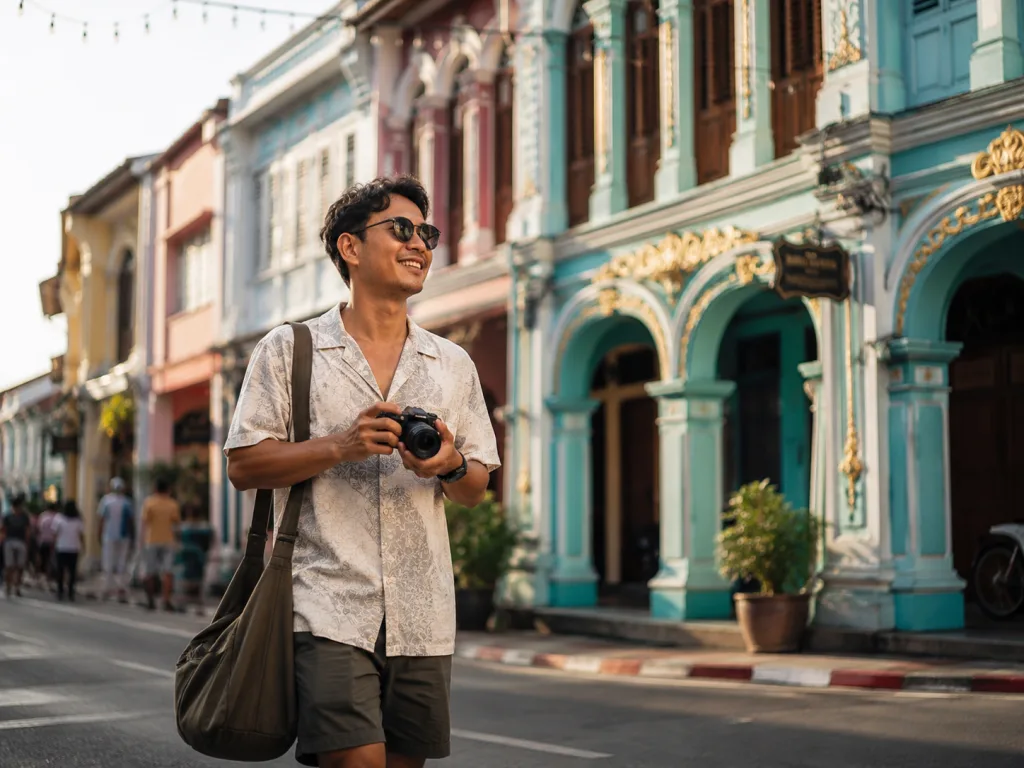
To understand the 2026 visa changes, it helps to look at what Thailand has been dealing with over the past few years.
After the pandemic, the country wanted people back. Fair enough. Tourism had been hit hard, and places like Phuket, Chiang Mai, and Pattaya were trying to get moving again.
So the rules became more generous.
Longer visa-free stays made sense at the time. They helped bring people back, fill hotels, support restaurants, and get money flowing through local businesses again.
But once people got used to those longer stays, a grey area opened up.
Some visitors were still just tourists. They came for beaches, food, family trips, dive courses, Muay Thai camps, or a few months of warm weather away from home.
Others were basically living here.
You could see it in Phuket quite clearly. People renting villas for six months. Working from cafés in Rawai or Cherngtalay. Doing calls from coworking spaces in Bang Tao. Timing their gym membership around immigration extensions. Flying out for a quick weekend and coming back with a fresh stamp.
For many, it was harmless enough. They spent money locally, joined communities, and were not causing problems.
But not everyone was operating that way.
Thai authorities became concerned about people using tourist status to do things that were not really tourism. That includes running businesses without the right permits, working locally without proper paperwork, or setting up company structures that looked legal on paper but were not clean underneath.
In Phuket, this is not some abstract issue.
There have been long-running concerns around unlicensed tour operators, villa rentals, property businesses, transport services, and foreign-run setups using Thai names to get around the rules.
Some of it sits in a grey zone. Some of it clearly does not.
Then there is the bigger issue of scam operations and criminal networks.
Thailand has been trying to deal with foreign groups using long stays to set up call centres, online scam bases, money movement operations, and other businesses that have nothing to do with normal tourism.
That does not mean every long-stayer is suspicious.
Most are not.
But from the government’s side, the old system made it too easy for people to stay for long periods without much structure. If someone could keep resetting their stay through visa runs, they could remain in the country for months while still technically being a tourist.
That is the loophole Thailand is trying to close.
The remote work side is more complicated.
Phuket has become a very normal place for digital nomads. You see laptops open in cafés from Nai Harn to Boat Avenue. People build their days around work calls, beach walks, gym sessions, and school runs. Some are freelancers with overseas clients. Some are full-time employees working for companies outside Thailand. Some are just here for a season.
A lot of this sits in a practical grey area.
Thailand wants long-stay visitors who spend money and add value. But it also wants clearer rules around who is here, what they are doing, and whether they are actually allowed to do it.
That is the balance.
The country still wants tourists. Phuket still depends heavily on visitors. Hotels, restaurants, beach clubs, tour guides, drivers, markets, gyms, and small local businesses all rely on people coming in and spending money.
But Thailand also wants more control over who stays long term.
So the new rules are not really about scaring away regular holidaymakers.
They are about making it harder to live in Thailand indefinitely on short-term tourist entries.
For most people coming to Phuket for a normal trip, this will barely change the holiday.
For repeat visitors, long-stayers, digital nomads, and anyone relying on visa runs, it is a sign to plan properly rather than assume the old rhythm will keep working forever.
The Big Change Nobody Should Ignore: Visa Runs
For years, visa runs were just part of the Thailand long-stay routine.
A visa run basically means leaving Thailand before your stay runs out, entering another country for a short time, then coming back to Thailand with a fresh entry stamp.
For people in Phuket, that often meant a Penang run, a quick flight to Kuala Lumpur, or a border trip down south. Some people made a whole routine out of it. Book the van, cross the border, get the stamp, come back, carry on with life.
For a normal tourist, this probably sounds a bit strange.
For long-stayers, it was common.
You would meet people in Rawai, Bang Tao, Kata, or Cherngtalay who had been in Thailand for months, sometimes longer, by using a mix of visa exemptions, extensions, and repeat entries.
That is the part Thailand is now tightening.
Under the 2026 rules, standard visa-exempt travelers are limited to 2 land or sea entries per calendar year.
So if you leave Thailand by land and come back through a border checkpoint, that counts.
Do it once, fine.
Do it twice, still within the limit.
Try it a third time in the same calendar year without the right visa, and you may have a problem.
This is especially important for people who used to rely on border trips instead of getting a proper longer-term visa.
Say someone spends January and February in Phuket, extends once, then goes to Penang and comes back. Later in the year, they do another border run. By the time they try a third land entry, immigration may say no unless they have a proper visa ready.
That is where the old “I’ll just reset it again” plan starts to fall apart.
Immigration is also looking more carefully at repeat stays now.
It is not only about how many times you enter. It is also about the pattern.
If someone keeps coming back to Thailand again and again, staying almost the full amount each time, then leaving for a few days before returning, that can start to look less like tourism and more like living here.
And that is exactly what immigration officers are watching more closely.
Airport entries are also not a magic workaround.
There may not be the same simple 2-entry land border rule at airports, but officers can still ask questions. They can look at your travel history. They can see how often you have been in Thailand. They can ask where you are staying, what you are doing, and whether you have an onward ticket.
So flying out from Phuket for a weekend and coming back through the airport does not automatically mean everything is fine.
For most visitors, this will not be a big issue.
If you are coming to Phuket for two weeks, maybe even a month, enjoying the beaches, food, boat trips, cafés, gyms, and sunsets, this probably will not affect you much.
But if you are part-time living in Phuket, working remotely from cafés, renting long-term, or using repeat entries to stay most of the year, this is the rule to pay attention to.
The message is pretty clear.
Thailand is not saying people cannot come back.
It is saying that if you are living here long term, you need a visa setup that matches what you are actually doing.
Thailand Digital Arrival Card (TDAC): What Travelers Need to Know
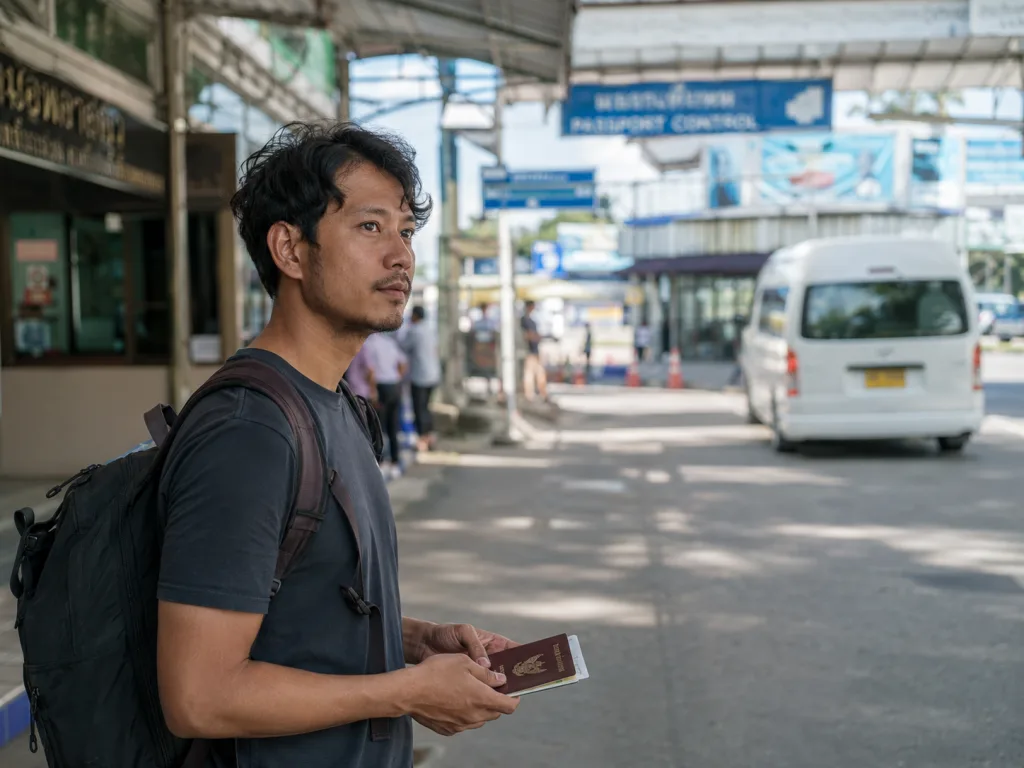
The Thailand Digital Arrival Card is one of those things that sounds more complicated than it really is.
In simple terms, it is a digital form travelers complete before entering Thailand. Instead of filling in the old paper arrival card on the plane, you now submit your basic travel details online before you arrive.
For most people, it is not something to stress about.
It is just another small step before landing. A bit like checking your passport validity, booking your airport transfer, or making sure you know where you are staying on your first night in Phuket.
The important part is that it gives immigration a clearer view of who is coming in.
When you complete the Thailand Digital Arrival Card, you provide details like your passport information, flight details, where you are staying, and your arrival date. That helps immigration process travelers faster, but it also gives officers a better way to check travel patterns.
This matters more now because of the 2026 visa changes.
Thailand is looking more closely at repeat stays, long gaps that are not really gaps, and people who keep leaving and coming back again.
For example, someone flying into Phuket for a two-week holiday with a hotel booking in Kata and a flight home probably has nothing to worry about.
But someone who has spent most of the year in Thailand, left for three days, then returned again with no clear onward ticket may get more questions.
That does not mean they will automatically be refused entry.
It just means immigration has more information in front of them than before.
Officers may look at your travel history. They may notice repeat entries. They may ask how long you plan to stay, where you are staying, or whether you have proof of onward travel.
This is especially relevant for long-stayers, digital nomads, and repeat visitors who spend a lot of time in places like Phuket, Chiang Mai, or Pattaya.
The Thailand Digital Arrival Card is not the problem by itself.
It is more like a cleaner window into your travel history.
If your trip is straightforward, it should feel straightforward.
If your travel pattern looks like you are living in Thailand on short-term entries, expect a little more entry scrutiny than before.
A good rule now is to keep things clear.
Have your accommodation details ready. Know your travel dates. Keep an onward ticket if your visa type requires it. And if you are staying in Thailand long term, do not rely only on short tourist entries forever.
The TDAC is not there to scare normal visitors away.
It is just part of Thailand’s move toward a more trackable entry system, especially now that the easy 60-day visa-free rhythm has changed.
Who Is Most Affected by the New Thailand Visa Rules?
The new Thailand visa rules do not affect everyone in the same way.
If you are coming to Phuket for a normal holiday, this is probably not something that needs to take over your trip planning. A two-week beach break, a family holiday, a Muay Thai camp, or a short stay in Kata, Kamala, Rawai, or Bang Tao should still be pretty straightforward.
The people who will feel the changes most are the ones who spend a lot of time in Thailand without a proper long-stay visa.
That means repeat visitors, digital nomads, remote workers, part-time residents, and anyone who has been relying on visa runs to stay in Phuket for months at a time.
Here is the simple breakdown.
| Traveler Type | Impact Level | What It Means |
| Short-term tourists | Low | Most holidaymakers will barely notice the change, especially if they stay less than 30 days. |
| First-time visitors | Low | The main thing is to check how many days you get before booking flights. |
| Repeat visitors | Medium | People coming in and out of Thailand often may face more questions at immigration. |
| Digital nomads | Medium to high | If you work online and stay in Thailand for long periods, you may need a better visa plan. |
| Remote workers | Medium to high | Working for overseas clients from Phuket is common, but repeat tourist entries may now attract more attention. |
| Long-stayers | High | Anyone staying most of the year through exemptions, extensions, and visa runs will feel this more. |
| Retirees | Low to medium | Retirees with proper retirement visas should be fine. Those using tourist entries long term may need to rethink. |
| Expats | Medium | Properly visa’d expats should not panic, but casual or messy visa setups may get harder. |
| Investors and business owners | High | Foreigners running businesses, using nominee setups, or working under tourist status may face more scrutiny. |
For short holiday travelers, the change is mostly about awareness.
If you are flying into Phuket for ten days, staying in a hotel, doing a few boat trips, eating your way through Old Town, and flying home, this is unlikely to change much.
You still need to check your entry allowance, complete the Thailand Digital Arrival Card, and have your travel details in order.
But for most normal tourists, it should not feel like a big shift.
For repeat visitors, it is a bit different.
This is the person who comes to Phuket three or four times a year. Maybe they stay in the same condo in Rawai. Maybe they have friends here, a favourite gym, a motorbike rental contact, and a café where the staff know their order.
That kind of travel pattern is not automatically a problem.
But it may now be looked at more closely, especially if the visits are long and frequent.
Digital nomads and remote workers are probably one of the biggest grey areas.
Phuket has plenty of them.
You see them in cafés around Cherngtalay, coworking spaces in Rawai, laptop corners in Nai Harn, and quiet villa setups around Bang Tao. Some are here for a month. Some are here for half the year. Some are still using short-term tourist entries because it has worked so far.
That is where the 2026 changes matter.
Thailand is not saying remote workers cannot come. But it is making it clearer that tourist entries are not meant to be a long-term living arrangement.
Retirees are in a slightly different position.
If someone has a proper retirement visa and keeps their paperwork clean, these changes may not affect them much. But retirees who have been using visa exemptions and border runs instead of setting up the right visa may start running into more questions.
For investors and foreign business owners, the rules feel even more serious.
Thailand is also paying closer attention to people running businesses while technically staying as tourists. This matters in Phuket, where foreign involvement in property, tourism, villas, wellness, transport, and hospitality is everywhere.
Some businesses are clean and properly set up.
Others sit in a grey area.
And that grey area is exactly what Thailand seems to be tightening around.
So the simple version is this:
If you are visiting Thailand for a holiday, you probably just need to check the new rules and carry on.
If you are using Thailand as a part-time home, a remote work base, or a place to run a business, this is the moment to get a proper plan in place.
Can Digital Nomads Still Live in Thailand?
Yes, digital nomads can still live in Thailand.
But the old casual way of doing it is getting harder.
For a while, Phuket became one of those places where remote work just slipped naturally into daily life. You would see laptops open in cafés in Rawai, people taking calls from villas in Bang Tao, freelancers setting up at coworking spaces in Cherngtalay, and long-stayers building their whole week around work, gym, beach, and immigration dates.
Some people were here completely properly.
Some were here in a grey area.
And some were basically living “half legally”, using tourist entries, extensions, and quick trips out of the country to keep things going.
That is the part Thailand is trying to tidy up.
The main visa digital nomads are now looking at is the Destination Thailand Visa, usually called the DTV.
In simple terms, the DTV is Thailand’s long-stay option for people who want to spend more time here without pretending they are just on a short holiday.
It is aimed at remote workers, freelancers, digital nomads, and some people joining approved activities like Muay Thai, cooking courses, medical treatment, or other soft-power programs.
The DTV is valid for 5 years.
That does not mean you can stay in Thailand for 5 years without leaving.
It means the visa itself lasts for 5 years, and during that time you can enter Thailand multiple times.
Each entry allows you to stay for up to 180 days.
After that, you may be able to extend once for another 180 days at immigration, which can give you close to a full year in Thailand before you need to leave and come back again.
For someone who spends half the year in Phuket, this is much more realistic than trying to piece together tourist stamps and border runs.
But it still has rules.
You need to show financial proof. The key number people talk about is 500,000 THB in liquid funds. That usually means money sitting in a bank account, not money you might be able to access later.
And in 2026, that proof became more serious.
It is not just about moving money into an account the day before applying. Embassies and consulates are now looking more closely at how long the money has been there. This is often called a seasoning period.
In normal language, they want to see that the money is genuinely yours and has been sitting there for a while.
For many applicants, that may mean showing the 500,000 THB balance over 3 to 6 months.
Crypto usually does not count.
Stock portfolios may not count either.
Credit limits, pension funds, and investment accounts are also not always accepted as proof. The authorities want to see stable, easy-to-check money, not assets that move up and down every time the market sneezes.
Another thing that changed is the language school route.
Some people previously used language schools or soft-power programs as a way to qualify for longer stays. In 2026, that loophole became much tighter.
Language school enrollment is no longer the easy door it once was.
If someone applies under a soft-power category now, the program needs to be properly documented and linked to an approved institution. For example, a real Muay Thai program or cooking course with proper paperwork will carry more weight than a vague enrollment letter from a school nobody can verify.
Remote work also has limits.
The DTV is not a visa for taking a local job in Thailand.
It is mainly for people working for clients, companies, or businesses outside Thailand. So if you are doing design work for clients in Europe, managing an online business abroad, or working remotely for a company based overseas, that fits the idea much better.
But if you are working for a Thai company, serving Thai clients, managing a Phuket business, or doing local paid work, that is a different situation.
That usually needs a different visa and proper work permission.
This is where things get a bit awkward, because Phuket has a lot of people doing work that sits somewhere in the middle.
Maybe they call themselves remote workers, but they also help a local business.
Maybe they run a wellness brand from a villa.
Maybe they manage property listings, arrange tours, sell services, or build something that is clearly connected to Thailand.
That is the grey area getting more attention now.
Thailand still wants digital nomads.
But it seems to want the cleaner version: people with money in the bank, clear overseas income, proper documents, and a visa that matches what they are actually doing.
That fits the wider shift toward higher-value tourism.
Thailand does not just want quick volume anymore. It wants visitors who stay longer, spend locally, follow the rules, and do not create messy problems for immigration, tax, or local businesses.
For Phuket, that makes sense in some ways.
The island has changed a lot since the pandemic. Long-stayers are not a small side group anymore. They are part of the rhythm of the place now. You see it in the cafés, gyms, coworking spaces, villa rentals, international schools, wellness studios, and even supermarket aisles.
The question is not really whether digital nomads can still come.
They can.
The question is whether they can keep doing it casually, with short-term tourist entries and a loose plan.
That is where the answer is changing.
If Thailand is your holiday base for a month, you are probably fine.
If Phuket is becoming your second home, it is time to stop treating the visa side like an afterthought.
What About Foreign Business Owners in Phuket?
The visa changes are only one part of the bigger picture.
Thailand is also looking more closely at foreign-owned businesses, especially companies that look Thai on paper but are really controlled by foreigners.
This matters in Phuket because foreign money is everywhere here. You see it in villas, restaurants, fitness studios, tour companies, wellness spaces, property rentals, marketing agencies, cafés, and small hospitality businesses.
Some are set up properly.
Some are not.
The main issue is something called a nominee structure.
That sounds more complicated than it is.
In simple language, it means a Thai person is listed as the main shareholder of a company, but they are not really the person running or funding the business.
They may hold the shares on paper, while the foreign owner makes the decisions, controls the money, manages the staff, and takes the profits.
For years, this has been one of those quiet grey areas people talked about but did not always say out loud.
You would hear things like, “My Thai partner owns 51 percent,” or “It’s fine, the accountant sorted it,” or “Everyone does it this way.”
That is exactly the kind of setup Thailand is now paying closer attention to.
Authorities want to know who is actually behind a company.
Not just who is listed in the paperwork.
They are looking at things like who paid the money into the company, who controls the bank accounts, who signs documents, who makes the real business decisions, and who benefits from the profits.
This is sometimes called an “actual control” test.
But the plain English version is this:
If a company looks Thai on paper, but the foreigner is clearly the real owner, it may be treated as a foreign-controlled business.
That can create problems if the company was set up to avoid foreign ownership rules.
Company audits are also becoming more serious.
Thai shareholders may be asked to show where their investment money came from. Companies may need to prove that the share structure is real, not just arranged to make the paperwork look acceptable.
For Phuket, this could touch a lot of areas.
A foreigner running a villa rental business through a Thai nominee.
A tour company that appears locally owned but is managed by foreigners.
A restaurant where the Thai shareholder has little real involvement.
A property setup where the paperwork says one thing, but the day-to-day control says another.
This does not mean every foreign business owner in Phuket should panic.
Plenty of foreign investors are operating properly, paying tax, hiring staff, using the right permits, and working with real Thai partners.
But the casual, messy setups are likely to get harder to hide.
The bigger message is pretty clear.
Thailand is not saying foreign businesses cannot exist.
It is saying the structure needs to be honest.
If a Thai partner is involved, they need to be genuinely involved. If a foreigner is controlling the business, the setup needs to reflect that properly.
For anyone running a business in Phuket, this is a good time to stop relying on “this is how everyone does it” advice.
The island may still feel relaxed on the surface, but the paperwork underneath is getting more serious.
Will This Hurt Phuket Tourism?
For most holidaymakers, probably not.
Someone flying into Phuket for ten days in July, staying in Karon, doing a Phi Phi day trip, eating seafood by the beach, and flying home again is unlikely to care much about the visa changes.
They may need to check their entry allowance more carefully. They may need to complete the Thailand Digital Arrival Card before arrival. But the actual holiday will feel pretty much the same.
The people who will notice are the ones staying longer.
Phuket has a whole economy built around people who are not quite tourists, but not quite residents either.
You see them everywhere.
The remote worker in the same café every morning. The couple renting a villa in Rawai for three months. The retiree testing out life in Kamala before committing to a proper visa. The freelancer who comes every high season and stays until the heat gets too much.
These people spend money in a different way from short-term tourists.
They rent condos and villas. They join gyms. They work from cafés. They use coworking spaces. They buy groceries. They get scooters serviced. They go to the same restaurants often enough that staff start remembering their order.
That long-stay rhythm matters to Phuket.
So if the new rules make it harder for repeat visitors and digital nomads to stay casually, some parts of the island may feel it more than others.
Cafés in Rawai, Cherngtalay, Bang Tao, and Nai Harn could notice if fewer laptop workers settle in for the season. Coworking spaces may need to work harder to attract people who now have more visa planning to do. Rental owners who rely on three-month or six-month stays may see some guests think twice before booking.
It will not empty the island.
But it may change the type of visitor who stays for longer periods.
Some digital nomads and slow travelers may decide Thailand is still worth the paperwork. Others may start comparing options.
Bali is already familiar territory for remote workers.
Vietnam has been pulling in more long-stay travelers who want lower costs and city energy.
Malaysia feels easy for some people because of language, flights, and regional access.
Sri Lanka has also become more attractive for people looking for beaches, surf, and a slower pace.
Phuket still has a lot going for it.
It has strong infrastructure, international schools, good hospitals, beaches, gyms, wellness spaces, direct flights, and a long-established expat scene. For many people, that mix is hard to replace.
But the casual “I’ll just keep extending and figure it out later” crowd may shrink a bit.
That might not be entirely negative.
Some local businesses would rather have visitors who are more settled, more transparent, and more serious about staying properly. Thailand also seems to be moving toward higher-value tourism, where people stay longer, spend more thoughtfully, and fit within clearer rules.
Still, there is a balance to get right.
Phuket depends on visitors, and not only the two-week hotel crowd. Long-stay travelers are part of the island’s daily life now. They fill cafés in low season, rent homes outside peak months, join local communities, and support small businesses that do not always benefit from package tourism.
So will the visa changes hurt Phuket tourism?
For short holidays, probably not much.
For the long-stay economy, maybe.
Not overnight. Not everywhere. But enough that people in rentals, coworking, cafés, gyms, wellness, and expat-focused services will be watching closely.
What Travelers Should Actually Do Now
The main thing is not to panic.
Thailand is still open. Phuket is still busy. People are still arriving, extending, working remotely, retiring here, opening businesses, and figuring things out as they go.
But the “just wing it” approach is becoming less safe, especially if you stay often or stay long.
A little planning now saves a lot of stress later, especially at immigration.
Tourists
If you are coming to Phuket for a normal holiday, this is mostly about checking the basics before you fly.
You do not need to overthink it. Just make sure your trip matches the entry rules for your passport.
- Check how many days you actually get on arrival
- Complete the Thailand Digital Arrival Card before you travel
- Keep your hotel or villa booking details handy
- Have proof of onward travel if needed
- Make sure your passport has enough validity left
- Do not assume old 60-day rules still apply
- Leave a little buffer in your plans, especially if you want to extend
For most short-term visitors, that will be enough.
If you are here for two weeks in Kata, a month in Bang Tao, or a family trip around Phuket and the islands, the visa changes should not take over your holiday.
Long-stayers
Long-stayers need to be more careful.
If you spend several months a year in Thailand, or if Phuket is starting to feel more like home than a holiday spot, you should stop treating visa planning as an afterthought.
- Count how many days you are actually spending in Thailand each year
- Keep track of your entries, exits, and extensions
- Avoid relying on endless visa runs
- Be careful with repeated land border entries
- Look at proper long-stay visa options before your current stay runs out
- Keep bank statements and basic financial documents organized
- Have a clear answer if immigration asks what you are doing in Thailand
This is especially true for people who do the same routine every year.
Arrive in Phuket. Extend. Do a border run. Come back. Extend again. Repeat until something gets awkward.
That pattern may have worked before.
It is now more likely to attract questions.
Remote workers
Remote workers are probably in the greyest part of the whole conversation.
Plenty of people work online from Phuket now. You can see it in cafés across Rawai, Nai Harn, Cherngtalay, Bang Tao, and Old Town. Laptops open, headphones on, iced coffee slowly turning into lunch.
For many, it is harmless and temporary.
But if you are staying long term, you need to think beyond the next entry stamp.
- Check whether the Destination Thailand Visa fits your situation
- Keep proof of overseas income or client work
- Prepare bank statements showing stable funds
- Remember that crypto or investments may not count as financial proof
- Avoid working for Thai businesses while on tourist-style entries
- Do not build your whole plan around quick border trips
- Keep your travel pattern clean and easy to explain
The key question is simple:
Does your visa match what you are actually doing here?
If you are just answering emails for your overseas job during a short trip, that is one thing.
If you are living in Phuket for most of the year and working daily from Thailand, it is worth getting proper advice and a better visa plan.
Business Owners
Foreign business owners should take the changes seriously, especially in Phuket.
The island has a lot of foreign involvement in property, tourism, restaurants, villas, wellness, fitness, marketing, and hospitality. Some of it is properly structured. Some of it is held together by old advice, casual arrangements, and “everyone does it this way” thinking.
That is not a great place to be in 2026.
- Review your company structure with someone qualified
- Make sure Thai shareholders are real participants, not names on paper
- Keep records showing where company funds came from
- Make sure work permits and visas match the work being done
- Avoid running a Thai business while staying on tourist entries
- Prepare for more questions around ownership and control
- Do not rely only on informal advice from friends, agents, or Facebook groups
The point is not that foreign business owners are unwelcome.
It is that Thailand wants cleaner paperwork and more honest structures.
If your setup is real, transparent, and properly documented, you are in a much better position.
If it depends on nobody looking too closely, now is probably the time to fix that.
FAQs About Thailand Visa Changes 2026
Did Thailand remove the 60-day visa exemption?
Yes. Thailand ended the temporary 60-day visa exemption in May 2026 for many travelers. Most eligible visitors are now back to a 30-day visa-free stay, depending on their passport.
How many times can I enter Thailand by land now?
For many visa-exempt travelers, land and sea entries are now limited to 2 times per calendar year. This matters most for people doing regular border runs, not someone flying in for a normal holiday.
Can digital nomads still stay long-term in Thailand?
Yes, but it needs more planning now. Digital nomads who want to stay longer should look at proper visa options like the Destination Thailand Visa, instead of relying on tourist stamps and repeat visa runs.
What is the Thailand Digital Arrival Card?
The Thailand Digital Arrival Card is an online arrival form travelers complete before entering Thailand. It gives immigration your basic travel details and also helps officers see travel patterns, repeat stays, and entry history more clearly.
Can I still do visa runs in 2026?
You can still leave and re-enter Thailand, but visa runs are no longer something to rely on endlessly. Repeat entries, especially through land borders, are being watched more closely now.
Is Phuket still good for remote workers?
Yes. Phuket is still one of Thailand’s easiest places for remote work, with cafés, coworking spaces, gyms, good internet, and a big long-stay community. The main difference is that remote workers staying for months need to be more careful with visas.
What visa should long-stayers look at now?
For remote workers and digital nomads, the Destination Thailand Visa is the main one to look at. Retirees, business owners, and people working locally may need a different setup, depending on what they are actually doing in Thailand.
Final Thoughts
Thailand is not closing the door on tourists, digital nomads, or long-stayers.
Phuket is still Phuket. People are still arriving with suitcases, surfboards, laptops, yoga mats, kids, pets, business ideas, retirement plans, and half-formed dreams of staying longer than they first planned.
But the way people stay is changing.
The loose old system is getting tighter. Fewer loopholes. More checks. Less tolerance for endless visa runs, unclear work situations, and businesses that only look clean on paper.
For normal holidaymakers, this probably will not change much. A short trip to Phuket still feels simple enough if you check the rules before flying.
For long-stayers, remote workers, repeat visitors, and foreign business owners, it is different. The days of casually piecing together months in Thailand with tourist stamps, border trips, and “I’ll figure it out later” planning are starting to fade.
That does not have to be a bad thing.
It just means people need to be more honest about what they are doing here.
If you are visiting, visit properly.
If you are working remotely, look at the right visa.
If you are staying long term, plan ahead.
If you are running a business, make sure the structure is real and transparent.
Thailand is still welcoming people in. It just seems to want clearer lines around who is coming, why they are staying, and how long they plan to be here.
So before you book the flight, extend the villa rental, or assume one more border run will be fine, take a little time to understand the new rules.
Check what applies to your passport. Look at proper visa options if you want to stay longer. Keep your documents tidy. And do not build a long-term life in Phuket on short-term guesses.
Island life is easier when immigration is not sitting in the back of your mind.