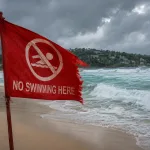
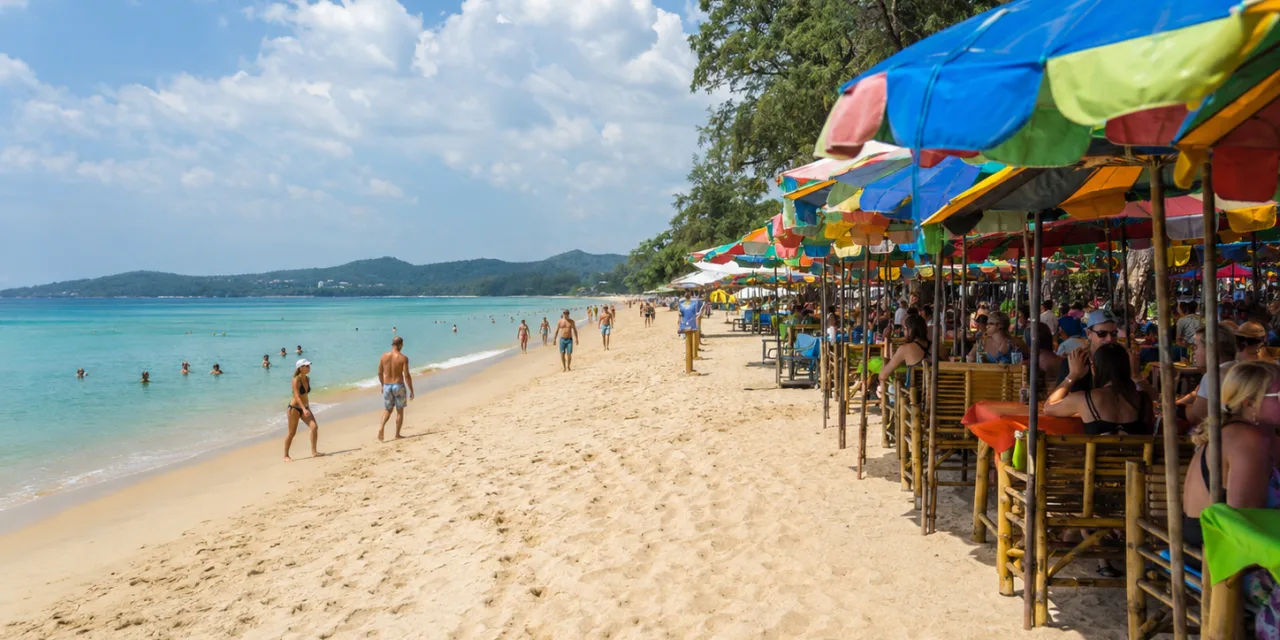
The Bang Tao land seizure is a clear look at Phuket’s growing push to protect public beachfront land. Here’s what happened at Bang Tao Beach, why 16 restaurant structures became part of the story, and what it means for public beach access, local businesses, tourists, and property buyers.
Table of Contents
If you’ve spent any time walking along Bang Tao Beach, you’ll know the feeling. Sand on one side, restaurants on the other, tourists wandering past with towels and iced coffees, and somewhere in the middle that classic Phuket question: where does public land end, and private business begin?
That question is now right at the centre of the Bang Tao land seizure.
Phuket authorities reclaimed more than five rai of public beachfront land in Bang Tao after finding alleged encroachment along the coastline. Reports said officials also moved against 16 restaurants built or operating on land that should have remained public. The case did not stop there. Investigators also looked into possible illegal subleasing, where people may have treated public land like private rental space and passed it on to smaller operators.
That is the simple version.
This is not really a story about whether beach restaurants are good or bad. Phuket loves a good beach restaurant. Most of us do. The real issue is land rights, public access, and whether Phuket beachfront land can quietly become private business space without proper permission.
Bang Tao is now part of a bigger shift on the island. Call it accountability, call it cleanup, call it officials finally checking the paperwork. Either way, people are watching.
| Quick Fact | Detail |
| Location | Bang Tao Beach, Choeng Talay, Thalang, Phuket |
| Land involved | More than five rai of public beachfront land |
| Structures involved | 16 restaurant structures |
| Main issue | Alleged encroachment on public land |
| Extra concern | Alleged illegal subleasing |
| Why it matters | Public beach access, tourism trust, property risk, and local accountability |
What Happened at Bang Tao Beach?
The simple version
The simple version is this: officials inspected a beachfront area in Choeng Talay and found that public land at Bang Tao Beach was allegedly being used for private commercial activity.
Reports said Phuket authorities reclaimed more than five rai of public beachfront land and moved against 16 restaurant structures. Some were seized, some were cleared, and the area became one of the most talked-about beach enforcement cases in Phuket this year.
That is the clean version. The real-life version is messier, because this was not just about a few tables creeping too close to the sand.
The Bang Tao Beach land seizure raised bigger questions about how public beachfront land was being used, who was controlling it, and whether people were making money from land they may not have had the right to rent out in the first place.
Why five rai matters
Five rai is not a tiny patch of sand behind a coconut tree. It is roughly 8,000 square metres. On a stretch of beach like Bang Tao, that is a serious piece of land.
This matters because public land at Bang Tao Beach is supposed to remain public. Locals should be able to access it. Tourists should be able to walk through it. Businesses should not be able to quietly turn it into private space unless they have the proper legal rights.
That is why the phrase “Phuket authorities reclaim land” has become part of this story. It was not just an inspection. It was a statement that public beachfront land cannot simply be absorbed into private business because nobody checked hard enough.
Why the 16 restaurants became the headline
The headline people remember is simple: 16 restaurants seized Bang Tao.
It is easy to see why. Restaurants are visible. People can picture them. They know the beach, they know the food spots, and they know how normal it can feel to see businesses sitting right along the sand.
But the bigger issue is not whether Phuket should have beach restaurants. Most people are not against that. A good beach meal is part of the island’s charm, when it is legal and fair.
The bigger issue is the alleged Bang Tao Beach encroachment behind the scenes.
According to the research notes, public land may have been fenced off, monetised, and possibly subleased. In normal language, that means someone may have treated public beachfront as if it were private rental property, then passed business rights to others.
That is where the story changes.
This is not just “restaurants removed.” It is about public land, private money, and Phuket trying to draw a clearer line in the sand.
Timeline of the Bang Tao Beach Crackdown
| Date | What Happened |
| Jan 28 to 30, 2026 | Officials carried out a formal land survey in Moo 2, Cherng Talay after complaints about possible beachfront encroachment. |
| February to March 2026 | Officials documented commercial activity, checked the site, and mapped boundaries where construction was not allowed. |
| April 15 to 25, 2026 | Provincial officials coordinated the enforcement plan and issued orders for the land reclamation. |
| April 29, 2026 | Officials entered the site and began reclaiming more than five rai of public beachfront land at Bang Tao Beach. |
| April 30, 2026 | Follow-up inspections continued. Utilities were disconnected, and staff and business operations were checked. |
| May 2 to 4, 2026 | Reports confirmed the formal seizure or clearance of 16 restaurant structures, with legal action expected against those involved. |
| May 4 onward | Checks widened along Bang Tao and Cherng Talay beachfront areas, with more structures and businesses coming under review. |
This was not a random raid with officials turning up out of nowhere and pointing at buildings. It was a phased enforcement process. Complaints came first, then surveys, boundary checks, documentation, coordination, and finally the physical move to reclaim the land.
That matters because the Bang Tao land seizure was not just about one day on the beach. It was the result of officials slowly building a case around public land, commercial use, and who had the right to be there in the first place.
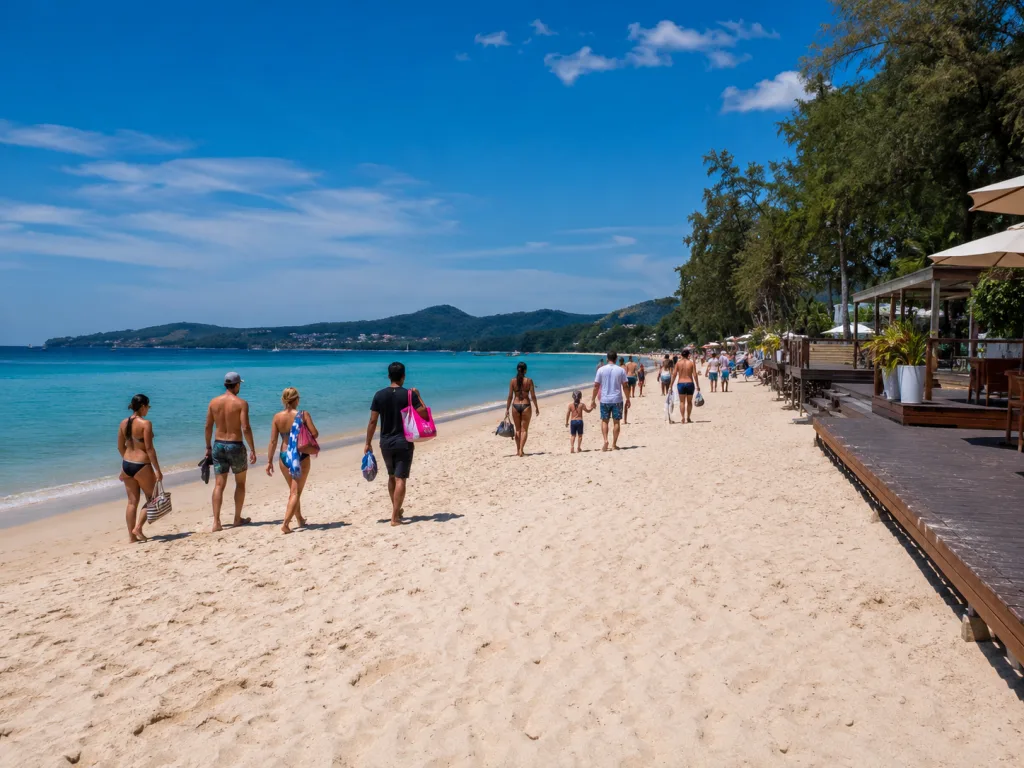
Why Bang Tao Beach Became Such a Big Deal
Bang Tao is not just another beach
Bang Tao Beach is not some forgotten strip of sand where a few extra tables could appear and nobody would notice.
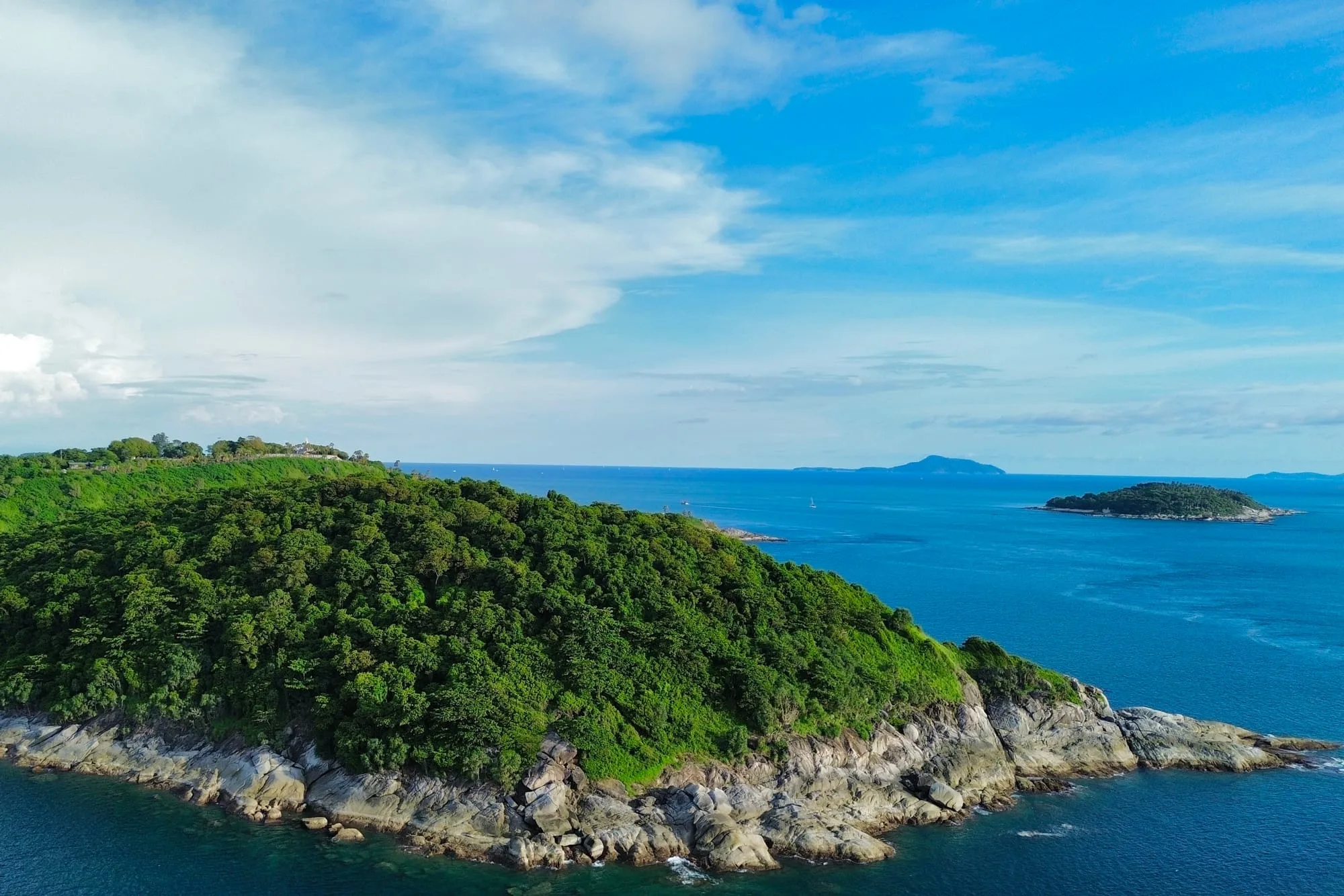
This is one of Phuket’s most valuable west coast beach areas. It sits close to Laguna Phuket, luxury villas, resorts, beach clubs, restaurants, and some of the island’s most expensive real estate. What happens here does not stay quiet for long.
That is why the Bang Tao land seizure landed harder than a normal beach inspection. When officials moved against 16 restaurant structures, the story was not only about the buildings. It was about what those buildings represented.
In an area like Bang Tao, public beachfront land is not just land. It is access, value, lifestyle, tourism, business, and local trust all sitting on the same stretch of sand.
Public beach access has become a Phuket pressure point
Public beach access Phuket-wide has become a much bigger conversation in recent years.
Locals are more vocal now when beaches feel blocked, fenced off, or quietly turned into private spaces. People notice when public paths become unclear. They notice when beach areas start to feel like you need to buy something, pay someone, or know someone just to pass through.
That does not mean every beach restaurant is a problem. It does not mean locals are against tourists or investors. Phuket runs on visitors, businesses, and people taking chances.
But there is a line.
A restaurant can be loved by customers and still need the right paperwork. A business can bring jobs and still have to respect public land. A beachfront setup can look normal for years and still be sitting in a grey area that eventually gets checked.
That is what made the Bang Tao Beach crackdown stand out. It touched one of Phuket’s sore spots: who gets to use the beach, and who gets to profit from it?
This is about trust, not just sand
The biggest issue here is trust.
People want to know that Phuket public beachfront land stays public. They want to know that rules are not only enforced against small players while bigger names glide through untouched. They want to know that if a beach is public, it actually feels public.
That is why this case has pulled attention from locals, business owners, property watchers, and regular beachgoers.
The sand matters, of course. This is Phuket. The sand is half the reason anyone is here.
But the bigger question is whether the island can manage its most valuable public spaces without letting them slowly become private business zones.
Public beach land should not need a password, a purchase, or someone’s permission to access.
That is why Bang Tao Beach became such a big deal. It is not just about 16 restaurants. It is about whether Phuket can keep its beaches open, fair, and believable for everyone.
The Subleasing Problem: Public Land Turned Into Private Business
What illegal subleasing means in normal language
Illegal subleasing sounds like one of those phrases that belongs in a lawyer’s inbox, but the basic idea is simple.
Someone acts like they control a piece of public beachfront land. Then they rent it out, sell the “right” to use it, or pass it on to smaller operators who want to run a business there.
Those smaller operators might build restaurants, hire staff, buy equipment, pay rent, and serve customers. From the outside, everything can look normal. Lights on, tables out, seafood on the grill, tourists ordering drinks.
But if the person renting out the land never had the legal right to control it, the whole thing sits on shaky ground.
That is why illegal subleasing Phuket cases can get messy fast. The person running the beach business Phuket visitors actually see may not be the person who first claimed control of the land.
Why small operators can get caught in the middle
This is where the Bang Tao case gets more human.
Picture a small restaurant owner. They pay for a beach spot. They are told the arrangement is fine. Maybe they see other businesses nearby doing the same thing. Maybe the person offering the space seems connected, confident, or just very sure of themselves.
So the restaurant owner signs up, builds out the space, hires staff, buys stock, and opens for business.
Then officials arrive and say the land was public all along.
That is a hard landing.
It does not automatically mean every small operator knew the full story. Some may have understood the risk. Some may have trusted the wrong person. Some may have thought, fairly or not, that if a business had been there for a while, it must have been allowed.
But public beachfront land is different. You cannot treat it like a normal shop unit. If the land is public, nobody can quietly turn it into private rental space just because the beach is busy and the view is good.
That is why the Bang Tao Beach restaurants seized story is bigger than the restaurant signs. It points to the system behind the signs.
The issue is not just Phuket beach encroachment at the front. It is the possible chain behind it: who claimed the land, who collected money, who gave permission, and who was left exposed when the officials came in.
Red flags for beach business operators
If you are looking at a beachfront lease or a restaurant space near the sand, this is the part to read twice. Maybe three times if the rent sounds strangely cheap or strangely expensive.
| Red Flag | Why It Matters |
| No Land Office check | If nobody wants you to verify the land at the Land Office, that is a problem wearing a nice shirt. |
| Cash-heavy rental deal | Cash deals can make it harder to prove what was agreed, who was paid, and what rights were promised. |
| No registered lease | A handshake might feel friendly, but it will not help much when officials ask for paperwork. |
| Vague land title copy | A copy of a document is not enough. You need to know the title type, boundaries, and whether the land can legally be used. |
| “Everyone knows the owner” | Local confidence is not the same as legal control. Phuket has a long memory, but the Land Office has the records. |
| Fences or access fees on public beachfront | If people are being blocked or charged to access public beach land, expect questions sooner or later. |
The simple lesson is this: if a beachfront business depends on someone saying “don’t worry, it’s fine,” worry a little.
Not panic. Not run away.
Just check the paperwork before the ocean view makes you forget the boring bits.
Phuket Land Titles, Explained Without the Headache
Why land documents matter here
This is the part of the Bang Tao story where people’s eyes usually start looking for the nearest iced coffee.
Land titles are not exciting. Fair enough. But in Phuket, they matter a lot, especially near the beach.
A restaurant can look normal. A villa can look expensive. A fence can look permanent. None of that proves the land underneath is being used legally.
That is why Phuket land titles sit right in the middle of the Bang Tao land seizure story. The question is not only “who built there?” It is also “what land document did they have, what did it actually allow, and did the real-world boundaries match the paperwork?”
Near the beach, that question gets even sharper. A few metres can mean the difference between private land and public state land Thailand protects for shared use.
The basic Thai land title table
| Land Title | Simple Meaning | What To Know |
| Chanote | The strongest private land ownership title | Chanote Phuket land is generally the cleanest starting point, but boundaries and permits still need checking. |
| Nor Sor 3 Gor | A recognised possession right, often upgradeable | Nor Sor 3 Gor Thailand titles can be valid, but buyers and tenants should still confirm boundaries carefully. |
| Nor Sor 3 | A possession right with less precise boundaries | More room for confusion, especially if the land sits near beach, forest, canal, or public areas. |
| Sor Kor 1 | An old possession notification | Sor Kor 1 land title Thailand claims can be risky near valuable beachfront, especially if people try to stretch old paperwork into modern commercial use. |
| Public state land | Land reserved for public use | This cannot be privately occupied for business just because someone says they have a document. |
Why boundaries matter near the beach
Here is the blunt bit: having “some document” is not enough.
People sometimes talk about land paperwork like it is a magic shield. It is not. The type of document matters. The exact boundaries matter. The history of the land matters. The actual use of the land matters.
If a building sits outside the legal boundary, the paper does not politely grow bigger to cover it.
That is why Phuket property due diligence should never stop at looking at a copied title deed across a café table. You need to check the title type. You need to confirm the map. You need to know whether the building, restaurant, wall, deck, or access path actually sits inside the legal land area.
This is especially true on Phuket beachfront land, where value is high and old grey areas can sit around for years before anyone finally checks them properly.
For normal readers, the takeaway is simple.
If land is private and properly titled, it should be clear. If land is public, it should stay public. And if someone gives you a vague answer about beach boundaries, that is usually the moment to slow down, not sign faster.
What This Means for Tourists Visiting Bang Tao Beach
Can tourists still go to Bang Tao Beach?
Yes. Bang Tao Beach is still open, and tourists can still visit.
The crackdown is not about shutting down the beach. It is about Phuket public beachfront land, illegal structures, and who has the right to use certain parts of the coastline.
So if you are visiting Bang Tao Beach, do not read the headlines and think the whole place has suddenly turned into a restricted zone. It has not. Bang Tao is still one of Phuket’s major west coast beach areas, and Bang Tao Beach tourism is still very much alive.
The point of the enforcement is public access, not public panic.
What visitors may notice
If you know Bang Tao well, you may notice a few changes.
Some restaurants or beach setups may be gone. Certain areas may feel more open than before. You might see officials, cleanup work, or signs in places where businesses were previously operating.
Some beach businesses may also be quieter while land issues, permits, or lease arrangements are being checked. That does not mean every business on the beach is doing something wrong. It just means the area is under a brighter light now.
For most visitors, the day-to-day experience will still be simple enough: arrive, swim, walk, eat somewhere legal, watch the sunset, try not to bring half the beach back in your shoes.
The main thing to understand is that Phuket beach access is being taken more seriously. If a path or beachfront area is public, people should be able to use it without being blocked, charged, or made to feel like they are trespassing.
That is the heart of the Bang Tao Beach public access issue.
How to be a good visitor during the cleanup
This is not complicated. You do not need to arrive with a land map and a lawyer in flip-flops.
Just use common sense, respect official signs, and support businesses that are clearly operating properly.
| Do | Avoid |
| Use clear public access points | Paying random access fees to reach public beach |
| Support legal local businesses | Assuming every beachfront setup is licensed |
| Respect signs and official barriers | Arguing with staff or officials |
| Keep the beach clean | Treating public land like private party space |
Visiting Bang Tao Beach is still worth it. The sand is still there, the sea is still there, and the west coast sunset has not filed any paperwork.
The only real change is that Phuket is trying to make sure public beachfront land stays public. For tourists, that should be a good thing.
What This Means for Local Restaurants and Beach Businesses
The old “it’s probably fine” era is getting risky
For local restaurants and beach businesses, the Bang Tao Beach crackdown is a warning shot. Not a reason to panic, but definitely a reason to check the paperwork before the next rent payment goes out.
For years, some Phuket beach business operators have worked in grey areas. Sometimes that means unclear land boundaries. Sometimes it means a beachfront lease Phuket tenants never fully checked. Sometimes it means someone said, “Don’t worry, everyone does it,” and that was treated like legal advice.
That is not enough anymore.
The story of the Bang Tao Beach restaurants seized does not mean every beach restaurant Phuket visitors love is doing something wrong. Plenty of businesses work hard, hire local staff, pay rent, and try to do things properly.
But the lesson is simple: if your business depends on land near the beach, you need to know exactly what you are renting, who has the right to rent it, and whether your building sits where it is supposed to sit.
What operators should check before renting beachfront space
The risky part is that a deal can look normal from the outside.
There is a landlord. There is a space. There is a price. Maybe there are already tables, a kitchen, or an old structure on site. It feels like a normal business decision.
Then someone starts asking harder questions.
Is the land private or public? Is the title clean? Are the boundaries clear? Does the landlord have the right to lease it? If it is a sublease, does the main lease allow that? Has anyone checked with the Phuket Land Office?
This is where illegal subleasing Phuket cases can become painful. A smaller operator may pay money to someone who seems to control the site, only to find out later that the person never had proper rights over the land.
That is a very expensive lesson to learn after the fridge is stocked and the staff are already on payroll.
| Checklist | What To Do |
| Verify title at Phuket Land Office | Do not rely only on a copied document or a confident landlord. |
| Confirm exact boundaries | Make sure the restaurant, deck, wall, kitchen, and seating area sit inside the legal land area. |
| Review lease and sublease rights | Check that the person renting to you actually has the right to do so. |
| Check restaurant and construction permits | A business licence does not automatically fix a land problem. |
| Confirm utilities are legal | Water and electricity should be properly connected and approved. |
| Get independent legal advice | Use someone who works for you, not the landlord or middleman. |
| Keep payment and lease records | If something goes wrong, clean records matter. |
Why permits and utilities matter
One detail from the Bang Tao case that business owners should not ignore is the utility side. Reports said water and electricity were disconnected during the enforcement process.
That matters because a business is not only a lease and a menu. It is also power, water, waste, permits, staff, insurance, and access. If one part of that setup is sitting on weak ground, the whole thing can wobble.
A beach restaurant Phuket customers enjoy can still face problems if the land use is wrong. A nice-looking lease can still be risky if the sublease rights are unclear. A busy business can still be exposed if the building is outside the proper boundary.
The practical advice is not glamorous, but it is useful: check first, sign later.
The sea view is lovely. The paperwork is boring. In Phuket, the boring bit can save your business.
What This Means for Phuket Property Buyers and Investors
Clean titles are becoming more valuable
For property buyers, investors, and commercial tenants, the Bang Tao land seizure is a useful reminder: in Phuket, the view is not the only thing you are buying.
Bang Tao remains one of Phuket’s strongest property areas. That has not changed. The beach is still the beach. Laguna is still nearby. The villas, resorts, restaurants, schools, beach clubs, and west coast lifestyle are still part of the appeal.
But the crackdown does change the conversation around Phuket beachfront land.
Clean paperwork now matters more. Clear boundaries matter more. Legal access matters more. Proper permits matter more. If a deal depends on vague promises, local connections, or a title copy someone sends over Line at 10pm, slow down.
That is not paranoia. That is Phuket property due diligence.
A clean Chanote Phuket title, proper permits, and confirmed boundaries can become a real selling point. Not just because they sound nice in a brochure, but because they reduce Phuket real estate risk.
The ocean view gets people interested. The paperwork keeps them sleeping at night.
Why Bang Tao still has strong long-term appeal
The Bang Tao land seizure does not mean Bang Tao property suddenly loses its value. If anything, it may make the difference between clean assets and risky assets more obvious.
Buyers still want Bang Tao because it offers a lot in one area: beach, lifestyle, restaurants, international schools nearby, resort infrastructure, and access to some of Phuket’s most established residential zones.
That kind of demand does not disappear because officials enforce public land rules.
But buyers may become more careful. Good. They should.
The area’s long-term appeal depends partly on trust. People want to know that what they buy, rent, or invest in is not sitting on a future problem. They want to know the access road is legal. They want to know the villa wall is not sitting where it should not be. They want to know the commercial lease is real, not just someone’s confident handshake with a sea breeze behind it.
This is also where the Phuket nominee crackdown comes into the wider picture. If ownership structures are unclear, or if foreign buyers are relying on risky nominee arrangements, the land issue is only one part of the risk.
The practical message is simple: Bang Tao is still desirable, but shortcuts are getting more expensive.
Due diligence checklist before buying or leasing
If you are buying, leasing, or investing near the beach, do the boring checks before the exciting decisions.
| Checklist | What To Check |
| Check the land title type | Know whether it is Chanote, Nor Sor 3 Gor, Nor Sor 3, Sor Kor 1, or something weaker. |
| Confirm boundaries | Make sure the land on paper matches the land on the ground. This is especially important near the beach. |
| Check legal access | Confirm that roads, paths, and entrances are legal, not just commonly used. |
| Review construction permits | A beautiful building can still have permit problems. |
| Ask about disputes | Check whether there are boundary disputes, public land issues, or complaints linked to the property. |
| Verify lease rights | If leasing, confirm the landlord has the legal right to lease or sublease the property. |
| Be careful with nominee structures | Risky ownership setups can create problems later, especially under stronger enforcement. |
| Use independent legal counsel | Get advice from someone working for you, not the seller, landlord, or agent. |
The main lesson is not “avoid Bang Tao.” That would be lazy.
The lesson is “buy carefully, lease carefully, and do not let a nice sunset talk you out of checking the paperwork.”
In Phuket, the best property deals are not just the ones with the best view. They are the ones that still look good after someone checks the title, the boundary, the permits, and the access road.
Why Locals Are Watching This Closely
Public beach access has become personal
For a lot of Phuket locals, the Bang Tao land seizure is not just another headline about land, restaurants, and officials in uniforms.
It touches something people feel every time a beach path gets blocked, a fence appears, or a public area starts to feel like you need permission to walk through it.
Public beach access Phuket-wide has become personal because beaches are one of the few things on the island that should belong to everyone. Local families, workers, tourists, long-term residents, surfers, runners, kids with buckets, aunties selling snacks, everyone.
So when public land Phuket residents expect to use starts looking private, people notice.
They take photos. They post online. They complain. They ask why one person can make money from land that should be open to all. That pressure matters more now than it used to.
Social media is not the court, and it should not replace proper checks. But it has made it harder for beach problems to stay hidden behind a fence and a shrug.
This is not anti-business
The Bang Tao Beach encroachment issue should not be twisted into “locals hate restaurants.”
That is not it.
Phuket likes businesses. Phuket needs businesses. A good beach restaurant gives people jobs, feeds visitors, supports suppliers, and gives the island some of its easy charm. Nobody sensible is asking for every beach business to disappear.
The issue is fairness.
If a restaurant is operating legally, respecting public access, and staying inside proper boundaries, that is one thing. If public land is being fenced, rented, or treated like private space without the right to do so, that is another.
Those two things should not be mixed together.
Phuket accountability means asking the same basic question every time: do you have the right to use this land, or not?
This is not anti-tourism either
This is also not anti-tourism.
Tourism is part of Phuket’s bones now. It pays salaries, fills restaurants, supports hotels, and keeps thousands of families going. Most locals understand that better than anyone.
But tourism works best when the island still feels fair, open, and liveable.
If beaches become chopped up by private claims, unclear access, and quiet payments, everyone loses a little. Locals lose trust. Visitors get confused. Good businesses get mixed in with bad arrangements. Officials look weak. The beach itself becomes less welcoming.
That is why people are watching Bang Tao closely.
The short version is simple: public beaches should feel public.
Not hostile. Not blocked. Not quietly rented out through the back door.
Just public. Accessible. Shared. And managed in a way that makes sense for the people who live here and the people who come to enjoy it.
Bang Tao vs Other Phuket Beach Crackdowns
| Area | Main Issue | What Makes It Different |
| Bang Tao | Restaurant structures, public land occupation, and alleged subleasing | The Bang Tao Beach crackdown focused on more than five rai of public beachfront land and 16 restaurant structures. This made it a clear case of commercial use on land officials identified as public. |
| Rawai and Nai Harn | Beach chairs, vendors, and routine public beach regulation | These areas are often more about day-to-day beach management. Think chairs, vendors, spacing, access, and keeping the beach from turning into a free-for-all. |
| Cape Yamu | Public access dispute and high-profile public pressure | Cape Yamu Phuket became a bigger public conversation because it touched the question of whether people could freely access public beachfront areas near private property. |
| Kamala and Surin | Construction, access, infrastructure, and planning concerns | Kamala Beach and Surin Beach have seen their own issues around development, access, and how beachfront or nearby land is managed. The details differ, but the public access question keeps coming back. |
The Bang Tao case is not floating on its own little island.
It fits into a wider Phuket pattern where old grey areas are being questioned more often. Phuket beach encroachment used to be something many people complained about quietly. Now it gets photographed, posted, reported, and pushed into public view.
That does not mean every beach issue is the same. Bang Tao is not Rawai Beach. Rawai is not Cape Yamu. Kamala Beach is not Surin Beach. Each area has its own history, land setup, local businesses, and pressure points.
But the bigger question is similar: how does Phuket balance business, tourism, development, and public beach access Phuket residents and visitors can actually use?
That is the difficult bit.
A beach can support restaurants without becoming private. A resort area can be valuable without blocking access. A local vendor can make a living without the beach turning into a land grab. None of this is impossible, but it does need rules that are clear and enforced fairly.
That is why the Bang Tao Beach crackdown matters beyond Bang Tao. It is part of Phuket trying to clean up old arrangements that may have been tolerated for years, even when nobody was fully comfortable with them.
The island is not starting from a blank page. It is dealing with old habits, valuable land, public frustration, and businesses that may have built their plans around grey areas.
Messy? Yes.
Worth sorting out? Also yes.
The Bigger Picture: Phuket’s New Accountability Mood
Why officials are acting now
The Bang Tao land seizure fits into a bigger mood shift on the island.
For a long time, Phuket has had two versions of itself. There is the postcard version: beaches, sunsets, seafood, villas, beach clubs, and people pretending they are only here for three days before somehow staying three years.
Then there is the paperwork version: land titles, permits, access roads, public land, business licences, and officials trying to work out what is actually legal.
Bang Tao is where those two versions met in public.
Phuket authorities are under more pressure now to show that rules apply to everyone. Not just small vendors. Not just people without connections. Everyone.
That pressure comes from different directions. Locals are louder about public beach access. Tourists notice when beach areas feel blocked or confusing. Foreign residents and investors want clearer rules. Local businesses want a fair playing field. Officials know Phuket tourism reputation depends on the island looking safe, organised, and believable.
Nobody expects Phuket to fix every old grey area overnight. That would be a nice fantasy, probably served with a coconut and a parking problem. But the mood has shifted. People are watching more closely.
What this says about Phuket’s future
The Bang Tao case is part of what some people are calling the Phuket accountability movement.
That sounds a bit grand, but the basic idea is simple: Phuket is being pushed to take public land, permits, and beach access more seriously.
This does not mean the island is suddenly becoming strict in every corner. Phuket still has plenty of old habits, quiet arrangements, and “don’t worry, it’s fine” energy floating around. Anyone who has lived here longer than one rainy season knows that.
But the Bang Tao beachfront crackdown shows that officials are willing to act when a case becomes clear enough, public enough, and serious enough.
The important part is consistency.
One crackdown makes headlines. Consistent enforcement changes behaviour.
If rules are only enforced once in a while, people treat them like weather. Annoying when they arrive, forgotten when the sun comes out. If they are enforced fairly and regularly, businesses, landlords, investors, and operators start planning around them.
That is what Phuket needs if it wants to keep growing without turning every valuable beach, hill, and roadside into a fight over who got there first.
The message for anyone using public land
The message from Bang Tao is not complicated.
If you are using public land Phuket residents and visitors should be able to access, you need to be very sure you have the legal right to be there.
If you are renting out space near the beach, check that you can actually rent it out.
If you are running a business on beachfront land, check the title, the boundary, the lease, the permits, and the utilities.
If you are buying or investing near the coast, do not let a nice view do the thinking for you.
This is where beach access Phuket-wide becomes more than a beach issue. It becomes a trust issue.
People want to know that public land stays public. They want to know that businesses can operate, but not by quietly swallowing shared space. They want to know that tourism can grow without making locals feel pushed out of their own coastline.
That is the bigger picture behind the Bang Tao land seizure.
It is not the end of Phuket’s land problems. Not even close.
But it is a sign that the island is under pressure to move away from informal shortcuts around land, permits, and public space. Whether that becomes a lasting change depends on what happens after the headlines fade.
What Happens Next?
Legal action
After the Bang Tao land seizure, the next step is likely to be legal action against the people found responsible for the alleged encroachment or illegal subleasing.
That does not mean every person connected to the 16 restaurant structures is automatically guilty of the same thing. These cases can have layers. There may be people who operated businesses, people who rented space, people who claimed control of the land, and people who collected money.
Officials will need to sort through that.
The key question is simple: who had the right to use the land, who did not, and who may have profited from Phuket public beachfront land that should have stayed public?
More inspections
It would not be surprising to see more inspections around Bang Tao, Cherng Talay beachfront land, and other coastal areas in Phuket.
Once officials start checking one stretch of beach, nearby areas often come under the same light. That is especially true when the issue involves public land, unclear boundaries, or businesses operating close to the sand.
This does not mean every beach restaurant or beachfront business is suddenly in trouble. But it does mean operators in grey areas should expect more questions.
Where is the boundary?
What does the title say?
Who gave permission?
Is the structure inside legal land?
Those are not small questions anymore.
Cleaner paperwork for everyone
For beach businesses, property buyers, tenants, and landlords, the message is fairly clear: paperwork is moving from the boring folder to the front of the table.
Businesses near the beach will need cleaner leases, clearer permits, and better proof that they are operating where they are allowed to operate.
Property buyers and tenants should expect more attention on land title, access, permits, and legal boundaries. That means more checks at the Phuket Land Office, more careful review of title documents, and less trust in casual promises.
A nice view is not due diligence. A confident landlord is not due diligence. A photocopy of a land paper sent over Line is not due diligence either.
The real test is consistency
The big question now is whether enforcement continues consistently.
One Phuket beach encroachment case can make headlines. Consistent enforcement is what changes habits.
If checks continue fairly across Bang Tao, Cherng Talay, and other coastal areas, business owners and investors will start adjusting. They will check titles earlier, ask harder questions, and think twice before relying on grey arrangements.
If enforcement fades after the attention moves on, old habits may creep back in. Phuket has seen that movie before, and the ending is usually expensive.
So what happens next?
Legal steps, more inspections, cleaner paperwork, and a lot more people paying attention to where public land ends and private business begins.
FAQs About the Bang Tao Land Seizure
What is the Bang Tao land seizure?
The Bang Tao land seizure refers to Phuket authorities reclaiming more than five rai of public beachfront land at Bang Tao Beach after finding alleged encroachment and commercial use. In plain language, officials said land that should have stayed public was being used like private business space.
How many restaurants were seized at Bang Tao Beach?
Reports say 16 restaurant structures were seized or cleared as part of the Bang Tao Beach crackdown. That is why you may see the phrase “16 restaurants seized Bang Tao” in coverage of the case. The bigger issue is not only the restaurants, but the land underneath them.
Is Bang Tao Beach still open to tourists?
Yes. Bang Tao Beach itself is not closed. Tourists can still visit, swim, walk, eat nearby, and enjoy the area. The issue is Phuket public beachfront land, alleged illegal structures, and access. The beach is still there doing beach things, thankfully without needing a press statement.
Why did officials reclaim the land?
Officials reclaimed the land because it was identified as public land and allegedly used for private commercial activity. The concern was that parts of the beachfront were being occupied, monetised, or possibly subleased without proper legal rights. That is the core of the Bang Tao Beach encroachment issue.
What is beach encroachment in Phuket?
Beach encroachment in Phuket usually means private use of public beach or coastal land without proper legal rights. That can include buildings, fences, seating areas, signs, or access restrictions. The short version is simple: if public beach land starts acting private, someone will eventually ask questions.
What does this mean for property buyers in Bang Tao?
For buyers and tenants, Phuket property due diligence matters more than ever. Check the title type, boundaries, permits, legal access, lease rights, and any disputes before signing. Bang Tao is still a strong area, but a good location does not fix unclear paperwork.
Is this connected to other Phuket beach access issues?
Yes. The Bang Tao land seizure fits into a wider Phuket conversation about public beach access Phuket residents and visitors can actually use. It connects to bigger concerns around land disputes, blocked access, beachfront business rules, and stronger enforcement across the island.
The Bang Tao land seizure is not only about 16 restaurants. That is the part people remember because it is easy to picture. Tables, kitchens, signs, staff, customers, then officials turning up and asking hard questions.
But the bigger story sits underneath all of that.
This is about Phuket public beachfront land and whether it stays public. It is about public beach access, land accountability, business risk, and the island trying to decide how serious it wants to be about protecting shared spaces.
That does not mean cheering when businesses get cleared. People may have lost money, jobs may have been affected, and some operators may have believed their arrangements were normal. That part should not be brushed aside.
But Phuket cannot keep relying on grey areas forever. Not with land this valuable. Not with beaches this important. Not when locals, tourists, investors, and business owners all need clearer rules.
Bang Tao Beach is still one of Phuket’s key west coast areas. The beach is still beautiful, the location still matters, and the area is not going away.
The difference now is that Phuket accountability is no longer just a nice phrase for meetings and press photos.
Bang Tao is still Bang Tao, but the shortcuts around public land are becoming harder to ignore.