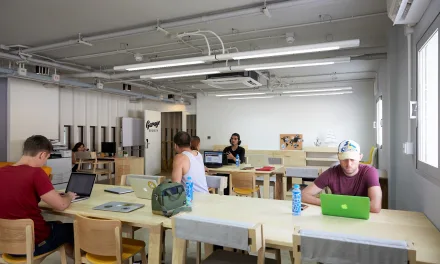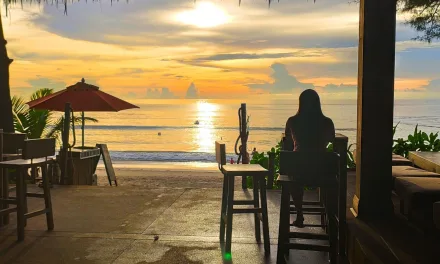
Staying Longer in Phuket isn’t about chasing a dream lifestyle. It’s about daily life, routines, visas, costs, and finding your rhythm. This guide shares real experience on living in Phuket long term, Phuket expat life, cost of living in Phuket, visa paths, best areas to live, and what it actually takes to make expat life in Phuket work beyond the short stay.
Table of Contents
I came to Phuket for a few months. That was the plan. I had a loose return date, a small bag, and no real idea what life here looked like once the holiday feeling wore off. Like most people, I thought I’d enjoy it, get it out of my system, then move on.
But Phuket has a quiet way of stretching time. You find a place you like. You meet people who don’t seem in a rush. You settle into small routines without noticing. Somewhere along the way, “a short stay” turns into another extension, then another year, then something that starts to feel normal.
Staying longer in Phuket isn’t complicated. It’s not some secret formula. But it does ask for a few small adjustments. The kind you only learn once you’re here long enough to deal with everyday things, not just sunsets and weekends.
This isn’t a dream story or a sales pitch. It’s just how life actually works here once you stop treating it like a trip. If you’re curious what that looks like in real terms, keep going.
First Thing to Understand About Living in Phuket Long Term
The biggest shift happens quietly. One day Phuket stops feeling like a break and starts feeling like a place you live.
It shows up in small ways. You care if the internet is stable. You notice which roads flood after heavy rain. You plan errands around traffic instead of beaches. You stop checking the weather app every morning.
Your days get shape. A regular coffee spot. A gym you don’t think about anymore. A fruit stall where they already know what you’ll order. None of it is exciting. That’s kind of the point.
This is usually when people realize they’re not “staying” anymore. They’re just living. The island doesn’t feel smaller or less interesting. It just feels familiar. And that’s when Phuket starts to work long term.
You know this shift has happened when:
- You have normal days that aren’t memorable
- You avoid certain areas without thinking about it
- You plan your week instead of your weekends
- You feel mildly annoyed by things you once ignored
The Day Phuket Stops Feeling Like a Vacation
I don’t remember a single moment when it changed. There was no switch. It just happened somewhere in the middle of a normal week.
I was stuck in traffic on a road I now avoid at certain hours. I grabbed lunch from the same food stall without looking at the menu. I got mildly annoyed when the internet dropped during a call. None of it felt special. It felt familiar.
That’s usually when people realize Phuket isn’t a holiday anymore. It’s just life. A warm one, but still life. You stop chasing new places. You stick to what works. You care less about what’s “nice” and more about what’s easy.
You’ll know you’re there when:
- You have go-to food stalls
- You plan around traffic and rain
- You avoid tourist areas without effort
- Internet speed matters more than views
Staying Longer in Phuket Means Sorting Out Visas Early
Visas are the part nobody gets excited about, but they shape everything. Once you stay long enough, you can’t really avoid them. It’s just part of the background of life here.
Most people arrive on something short and flexible. That works at first. Then the calendar starts creeping up. You catch yourself counting days. Planning trips around stamp dates. That’s usually when stress shows up.
Over the years, I’ve seen people take different paths. Some keep things simple and short-term. Others switch to options that give them breathing room. None of it feels perfect. You just pick what fits your situation best at the time.
Rules change. Sometimes with warning, sometimes without. That uncertainty is normal here. The people who last don’t fight it. They accept that visas are something you manage, not something you “solve” once and forget.
If you want the full breakdown of current options, we keep an updated long-stay visa guide on Phuket Community that goes into more detail than makes sense to cover here.
The Most Common Visa Paths Expats Actually Use
Most expats don’t start with a long-term plan. They ease into it. The visa usually follows whatever stage of life they’re in at the time.
Some people stay on short-term options and just keep extending. It works if you like flexibility and don’t mind a bit of paperwork now and then. Others switch to study-based setups. Language classes. Training. It gives structure and more time without too much pressure.
If you’re older, there’s a path that makes things calmer. Less jumping around. Fewer deadlines. It’s popular with people who want routine and stability.
Then there are the pay-once options. Expensive, but simple. People who choose these usually want to remove visa stress entirely and get on with daily life.
None of these are “best.” They just fit different people at different times.
| Visa style | Who uses it most | Stress level | Cost feel |
| Short-term stays | New arrivals, flexible | High | Low |
| Study-based stays | Long-term planners | Medium | Medium |
| Age-based stays | 50+ crowd | Low | Medium |
| Pay-once options | Convenience-focused | Very low | High |
Most people change paths at least once. That’s normal here.
Where You Live in Phuket Changes Everything
Where you live matters more than most people expect. Not because of the view, but because of what your days look like.
In the beginning, people choose places based on beaches or photos. That makes sense for a short stay. Long term, convenience wins. How far you are from food you actually eat. How long it takes to get to the gym. Whether errands feel easy or annoying.
I’ve moved areas more than once over the years. Not chasing something better. Just something that fit how my days had changed. When routines settle in, even small distances start to matter.
Phuket isn’t one place. Each area has its own rhythm. Some feel quiet and residential. Others feel busy all day. Once you understand that, picking the right spot becomes less about what looks good and more about what makes life simple.
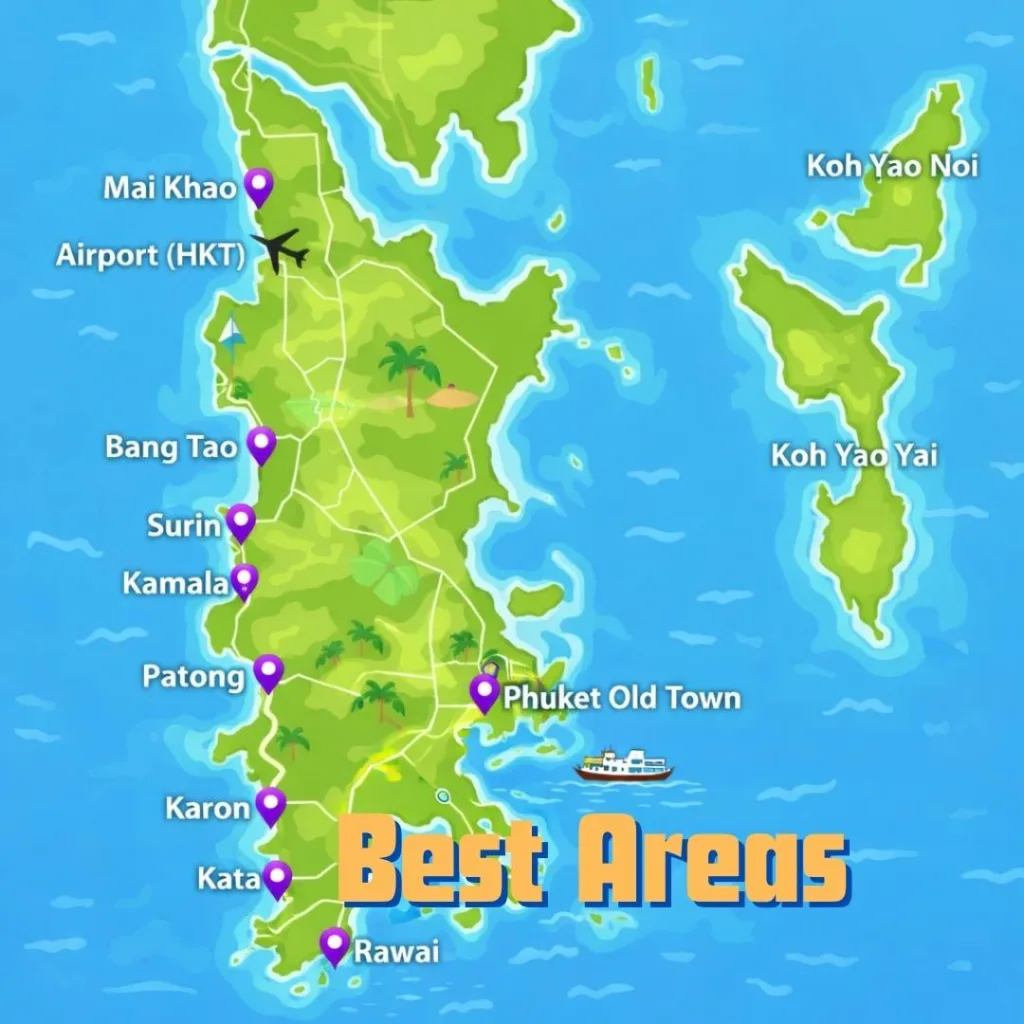
We’ve put together a full guide to Phuket areas on Phuket Community if you want to dive deeper. For now, here’s how the main long-term spots usually feel in real life.
Best Areas to Live in Phuket for Expats
Phuket doesn’t have a single center. Long-term living here is about finding an area that matches your pace, not chasing the “best” spot.
Rawai and Nai Harn
This area feels settled. A lot of long-term expats live here, so daily life is easy. Gyms, food stalls, quiet roads in the morning. It suits people who like routine and don’t need nightlife close by. Things move slower, in a good way.
Bang Tao and Cherng Talay
More polished. More spread out. You’ll find cafes, fitness places, and newer housing. It works well if you like structure and don’t mind paying a bit more for convenience. Days here tend to feel organized.
Phuket Town
More local. More practical. It’s busy during the day and quieter at night. Food is good and cheap. Rent is often lower. It suits people who don’t need the beach nearby and prefer walkable areas and normal city life.
Tourist-heavy areas
Places like Patong, Kata, and Karon work short term. Long term, most people move on. It’s louder. More crowded. More turnover. Some expats make it work, but it’s less common once routines settle.
Before choosing, it helps to think about:
- How you spend a normal weekday
- How much you want to drive
- What you do most often
- What annoys you quickly
Cost of Living in Phuket (What People Actually Spend)
Cost of living in Phuket depends less on the island and more on how you live. Two people can be here for the same amount of time and spend very different amounts without trying.
If you eat local food, live a bit outside the busiest areas, and keep your routines simple, life stays affordable. If you lean toward Western food, newer condos, and driving everywhere, costs rise quietly. Not overnight. Just enough that you notice.
Most long-term expats fall somewhere in the middle. Local meals during the week. A few Western comforts mixed in. Gym memberships instead of nightlife. Over time, people naturally adjust. You figure out what’s worth paying for and what isn’t.
Fitness is one place where people choose differently. Some train daily at local gyms. Others stick to bigger fitness clubs or Muay Thai camps. Food choices follow the same pattern. We’ve covered both in more detail in our guides to eating healthy in Phuket and Phuket gyms if you want specifics.
Here’s a simple way to think about it:
| Lifestyle style | Daily habits | Overall spend |
| Local-leaning | Thai food, simple housing, short trips | Lower |
| Mixed | Local food plus some Western comforts | Medium |
| Western-leaning | Western food, newer housing, frequent driving | Higher |
Phuket doesn’t force a budget on you. Your habits do.
Daily Life in Phuket as an Expat
Long-term life in Phuket settles into a rhythm. Not fast. Not slow. Just steady.
Most days look simple. A walk in the morning before the heat picks up. Training at the same time each day. Eating at places where nobody asks for a menu anymore. You start recognizing faces. A nod here. A short chat there.
That rhythm makes life easier. You spend less energy deciding things. Less time moving around. Days stop feeling scattered. Even quiet days feel full enough.
I’ve found that the people who last here aren’t chasing variety. They lean into familiarity. The island gives back when you do that.
Small habits that help things click:
- Walking the same routes
- Training on a regular schedule
- Eating local most days
- Going to the same few places
- Seeing familiar faces often
Making Friends and Finding Community in Phuket
Community in Phuket builds slowly. It’s not loud and it’s not organized. It grows from doing the same things in the same places.
Most friendships start without much effort. You see the same people at the gym. You sit at the same café most mornings. You train at the same time. After a while, conversations happen naturally. No introductions. No small talk pressure.
This works even if you’re quiet. You don’t need to be outgoing. Showing up regularly matters more than talking a lot. Familiar faces turn into quick chats. Quick chats turn into shared routines.
I’ve met more people here through daily habits than through events or groups. That’s just how the island works long term.
If you’re looking for places, activities, or guides that make this easier, Phuket Community keeps a list of local resources worth checking out.
Work, Money, and Reality Checks
Work is one of the first reality checks in Phuket. Not in a bad way. Just a practical one.
Most long-term expats here earn money from outside Thailand. Remote work. Online businesses. Freelance setups. That’s what fits best with how things work locally.
Local jobs exist, but options are limited and rules are tight. It’s not something people usually stumble into by accident. Those who go that route plan it carefully.
Money tends to feel stable once expectations are clear. Phuket isn’t a place where income suddenly appears. It’s a place where life works better when you know your limits and plan around them.
The people who settle in long term usually figure this out early. Not chasing opportunities. Just setting things up in a way that doesn’t add stress to everyday life.
The Downsides Nobody Posts on Instagram
Living in Phuket long term comes with trade-offs. Not big problems. Just normal ones that don’t make it into photos.
Rain shows up when you’re trying to get somewhere. Traffic builds at the wrong time of day. Paperwork takes longer than it should. None of it is surprising once you’ve been here a while.
There are quieter stretches too. Friends come and go. Some weeks feel social, others don’t. That’s part of living in a place where people pass through.
These things don’t ruin life here. They just make it real. Phuket isn’t perfect, but it’s consistent. Once you accept that, the small frustrations stop feeling personal and start feeling ordinary.
Is Staying Longer in Phuket Worth It?
For me, Phuket worked once I stopped expecting it to feel special all the time. When it became a place to live, not a place to escape to.
It suits people who adjust. Who let routines replace novelty. Who are fine with things being good most days, not perfect. The island gives you enough space to build a normal life, if you let it.
I’ve seen plenty of people leave, and plenty stay. The difference usually isn’t money or visas. It’s whether they were chasing a feeling or building something steady.
Phuket doesn’t promise much. But if you meet it halfway, it tends to hold up over time.
FAQs About Staying Longer in Phuket
Can you really stay in Phuket long term?
Yes. Plenty of people do. It just takes some planning and a bit of flexibility. Most long-term expats adjust their setup as life changes.
Is Phuket expensive to live in?
It depends on how you live. Local habits keep costs down. Western habits push them up. Most people land somewhere in the middle over time. More on it here.
Do you need a long-term visa right away?
Not always. Many people arrive short term and figure things out once they’re here. What matters more is knowing your options and not leaving it to the last minute. Read more about it here.
Is Phuket a good place to live long term?
For the right person, yes. It suits people who like routine, warm weather, and a slower pace. It’s less forgiving if you’re chasing constant excitement.
What’s the most common mistake new expats make?
Treating Phuket like a holiday for too long. Life gets easier once you start living here instead of visiting.