
The Thailand Biennale Phuket transforms the island into a giant open-air gallery. Explore contemporary art installations across Phuket Town, nature spaces, and cultural venues. Learn the festival dates, locations, theme, and practical tips for visiting this unique Phuket art event.
Table of Contents
The Thailand Biennale Phuket has a funny way of sneaking up on you.
A friend told me she first noticed it while walking through Phuket Old Town. She’d popped out for coffee and suddenly there was this strange sculpture tucked between two old buildings. Not a gallery. Not a museum. Just… art sitting quietly in the street.
That’s kind of the idea.
The Thailand Biennale Phuket turns the island into a giant open-air gallery. It’s a contemporary art festival in Phuket where installations show up in unexpected places. Beaches. Mangroves. Heritage buildings. Small cultural spaces you might normally walk past.
Some pieces make perfect sense. Others take a minute. A few might leave you scratching your head. That’s part of the fun.
Think of it less like a traditional exhibition and more like a slow treasure hunt across the island. You spot things while exploring.
In this guide, we’ll keep it simple. What the Phuket art festival actually is, when it’s happening, where to find the venues, and a few tips that make it easier to see a couple of installations without spending the whole day in traffic.
Because once you know the basics, the whole event starts to make a lot more sense.
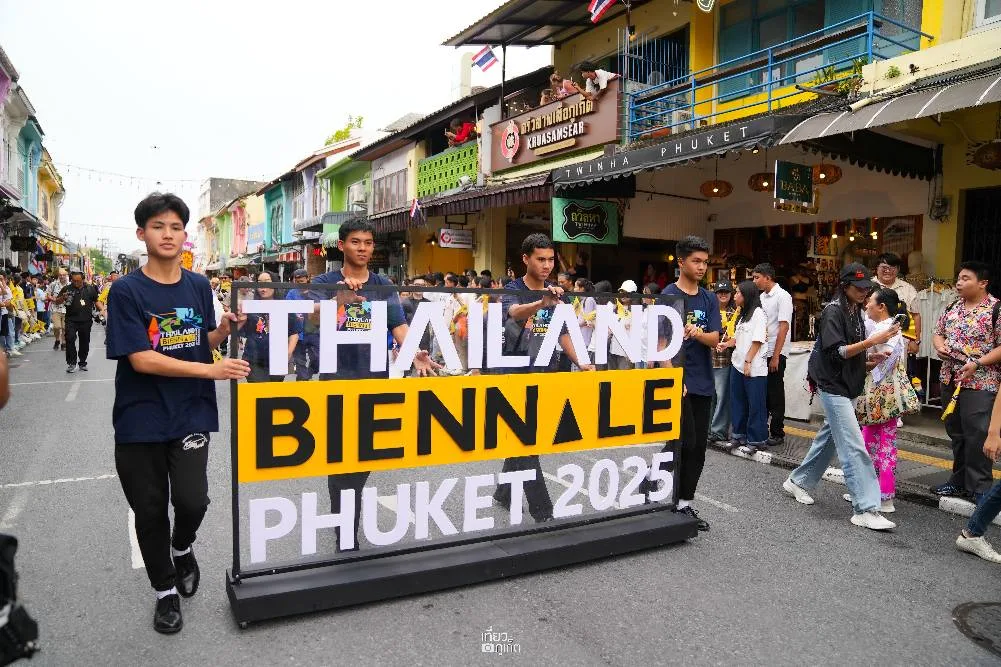
What Is the Thailand Biennale Phuket?
So, what is Thailand Biennale Phuket exactly?
In simple terms, it’s a big international art biennale that happens every two years. But instead of staying in one city, the event moves around Thailand. Each edition is hosted in a different province. This time, Phuket gets its turn.
What makes the Thailand Biennale Phuket exhibition interesting is that it isn’t held in one gallery or museum. The artworks are spread across real places around the island. Beaches. Forest areas. Cultural spaces. Old buildings. Sometimes spots you might normally walk right past.
That means you don’t visit the Biennale the way you’d visit a museum. You explore a bit of Phuket and discover the art along the way.
Many of the artists come from different countries, and the works are usually contemporary. That can mean sculptures, installations, digital pieces, or something more experimental.
And if you’re not really an “art person”, that’s completely fine.
A lot of people visiting are just curious. Some pieces are easy to understand right away. Others feel a bit abstract. Both are normal here.
I’ve watched people walk past an installation in Phuket Town without noticing it, then suddenly stop and turn around like, “Wait… was that part of the exhibition?” That moment of surprise is kind of the point.
The whole thing feels less like a formal exhibition and more like art appearing quietly around the island.
If you’re already wandering around Phuket Town, there’s a good chance you’ll run into a few pieces without even planning it.
Thailand Biennale Phuket 2025–2026: Key Details
Before heading out, it helps to know the basics. The Thailand Biennale Phuket 2025 isn’t all in one place, so a little planning goes a long way. Some venues are close together, others are spread across the island. And if you’ve spent time in Phuket, you already know the heat and traffic can slow things down.
Here are the key details people usually want to know first.
| Detail | Information |
| Event | Thailand Biennale Phuket |
| Dates | 29 November 2025 – 30 April 2026 |
| Artists | Around 60 artists |
| Countries | About 25 countries |
| Venues | 19+ locations across Phuket |
| Theme | Eternal Kalpa |
Because the event runs for several months, there’s no rush to see everything at once. Many people just visit a couple of venues in one area, grab a coffee nearby, then continue exploring.
One practical tip. Try going earlier in the morning or later in the afternoon. Midday heat in Phuket can make walking between venues feel longer than it looks on the map.
The Theme “Eternal Kalpa” Explained Simply
What Does Kalpa Mean?
The Thailand Biennale Phuket theme for this edition is called Eternal Kalpa.
That might sound a bit mysterious at first. The word kalpa comes from Buddhist and Hindu ideas about time. But you don’t need to get deep into religion to understand it.
In simple terms, the kalpa meaning is about very long cycles of time. Not years. Not centuries. More like the idea that the world goes through huge stretches of change, over and over again.
Think of it a bit like how Phuket itself has changed over time. Tin mining. Fishing villages. Tourism. New cafés and hotels appearing where quiet streets used to be. The island keeps shifting, just slowly.
That long, ongoing change is close to the Eternal Kalpa meaning artists are exploring.
You’ll see pieces that reflect on nature, history, technology, and how places evolve.
I remember chatting with someone at a café in Old Town who said, “So the art is basically about time?” That’s actually a pretty good way to think about it.
Not exact timelines. More like big waves of change.
Things to Do in Phuket Old Town
How Artists Interpret the Theme
The theme Eternal Kalpa gives artists quite a lot of room to explore different ideas. That’s common in contemporary art Thailand events like this. Each artist interprets the concept in their own way.
Here are a few directions you might notice across the exhibitions.
- Nature and the environment
Some works reflect on how nature changes slowly over time. Mangroves growing, coastlines shifting, forests adapting. - Time and memory
A few pieces look at how places hold memories. Old buildings in Phuket Town are perfect for this. Layers of history sitting in one space. - Technology and modern life
Some artists focus on how quickly technology changes the world around us. Cities evolve. Daily routines shift. - Island history and transformation
Phuket itself is a good example of long-term change. Mining towns becoming tourist areas. Quiet roads turning into busy streets.
Because the Biennale uses site-specific installations, the location often becomes part of the artwork.
You might see something placed near mangroves, where the natural surroundings shape how the piece feels. Or an installation inside an old heritage building that already carries a lot of history.
I once watched someone step into one of these spaces expecting a normal gallery. Instead they found an artwork sitting quietly in the middle of an old room. They paused for a second, looked around, and said, “Okay… I think this is the exhibition.”
Moments like that are pretty common during the Biennale.
Where to See the Thailand Biennale Phuket Exhibitions
Venues and Areas
One thing to know about the Thailand Biennale Phuket venues is that they’re not all in one spot. The exhibitions are spread across different parts of the island. That’s part of the idea, but it also means a little planning helps.
Some installations are expected around Phuket Town and Old Town, where there are already galleries, heritage buildings, and cultural spaces. These areas are easier to explore on foot, especially if you start early before the heat kicks in.
Other Thailand Biennale Phuket locations may appear closer to beaches, nature areas, or smaller cultural venues. Some pieces are placed where the surroundings are part of the artwork. Mangroves, open spaces, older buildings. That sort of setting.
Because of this spread, it’s worth checking the Thailand Biennale Phuket map before heading out. Phuket might look small on a map, but driving across the island can easily take 30–40 minutes depending on traffic.
Getting around is pretty straightforward. Many people use Grab or Bolt. Others rent a scooter. Just keep the midday heat in mind if you’re planning to walk between venues.
A simple half-day plan might look like this:
- Start in Phuket Old Town
- Visit two or three nearby installations
- Stop for coffee or lunch
- Continue to one venue outside town if it’s not too far
That way you’re not rushing around the island all day.
I once met a couple who tried to see five venues in one afternoon. They spent more time in the car than at the exhibitions. Slowing down usually works better.
Best Weekend Markets in Phuket
Why the Locations Matter
A lot of the works in the Biennale are site-specific installations. That just means the artist created the piece for a particular location.
So the place becomes part of the artwork.
Instead of seeing something inside a plain gallery, you might find art in nature installations near trees, water, or open land. Or a piece placed inside an old building where the walls and history change how it feels.
That’s one reason the Phuket cultural events scene works well for this kind of exhibition. The island has a mix of natural spaces and historical areas, so the artwork can interact with its surroundings.
I remember overhearing someone in Phuket Town say, “Where’s the gallery entrance?” They were standing right next to the installation already. It was sitting quietly in a courtyard, blending into the space.
Once they realized it was the artwork, the whole scene suddenly made sense.
Moments like that happen a lot during the Biennale. The art doesn’t always announce itself. Sometimes you discover it by accident.
What You’ll Actually See at the Thailand Biennale Phuket
One of the nice things about the Thailand Biennale Phuket exhibition is the variety. You never quite know what you’re going to find next. One piece might be inside an old building. The next could be outdoors, tucked near trees or open space.
That mix is part of what makes this contemporary art festival Phuket a bit different from a normal gallery visit.
Here are some of the things you might come across while exploring the Phuket art festival:
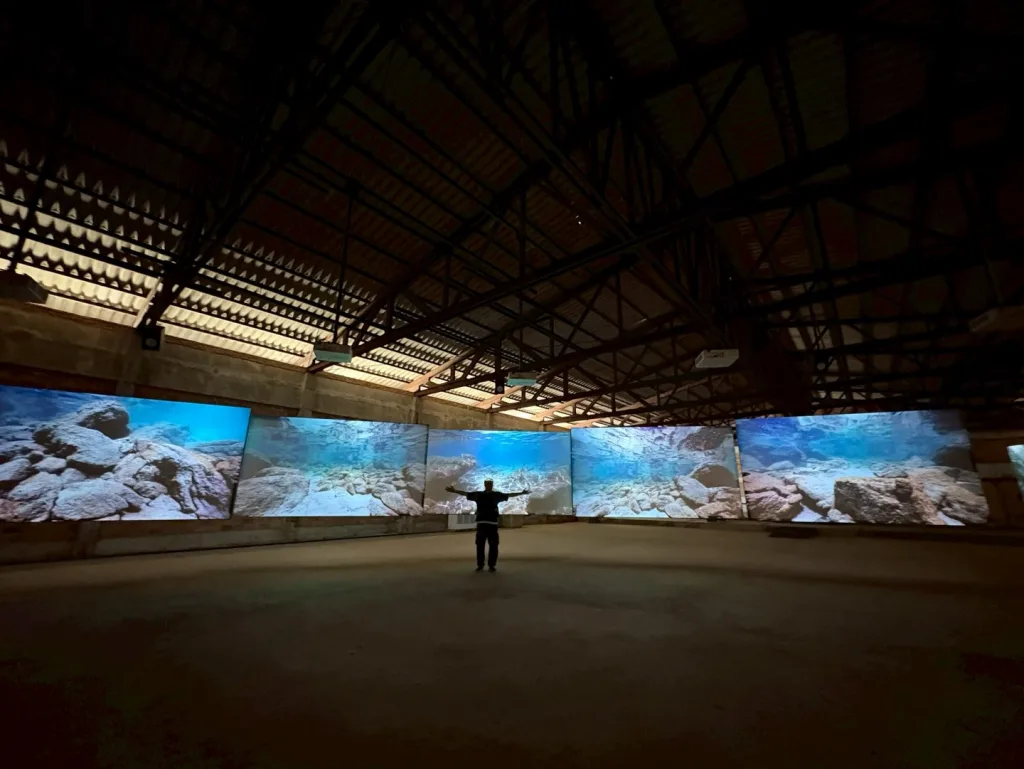
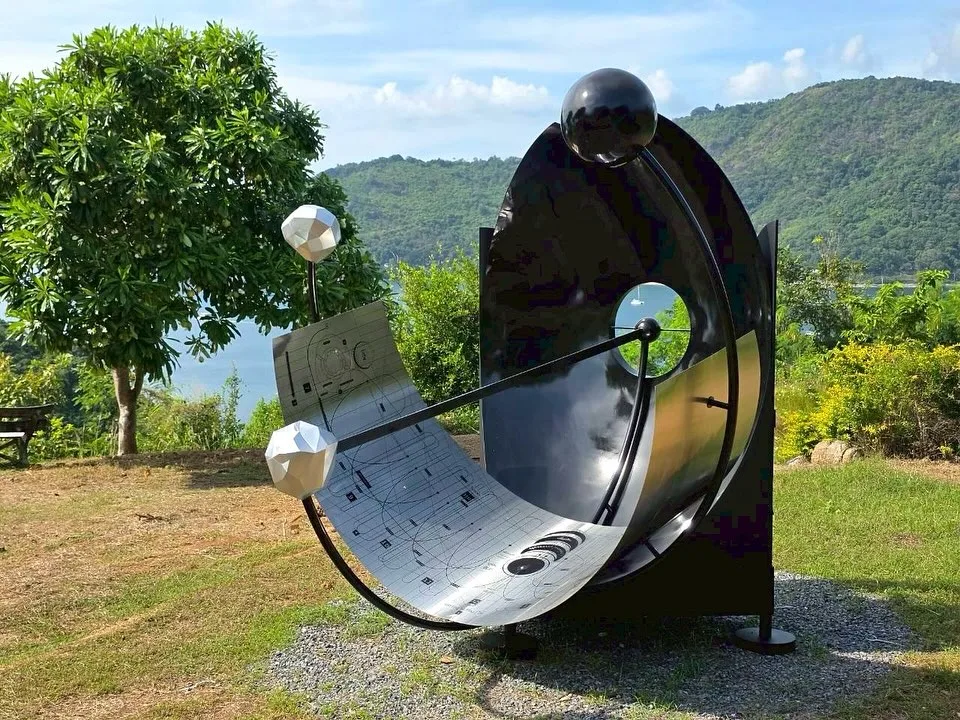
- Large sculptures placed in public spaces or natural areas
- Art installations designed for a specific location
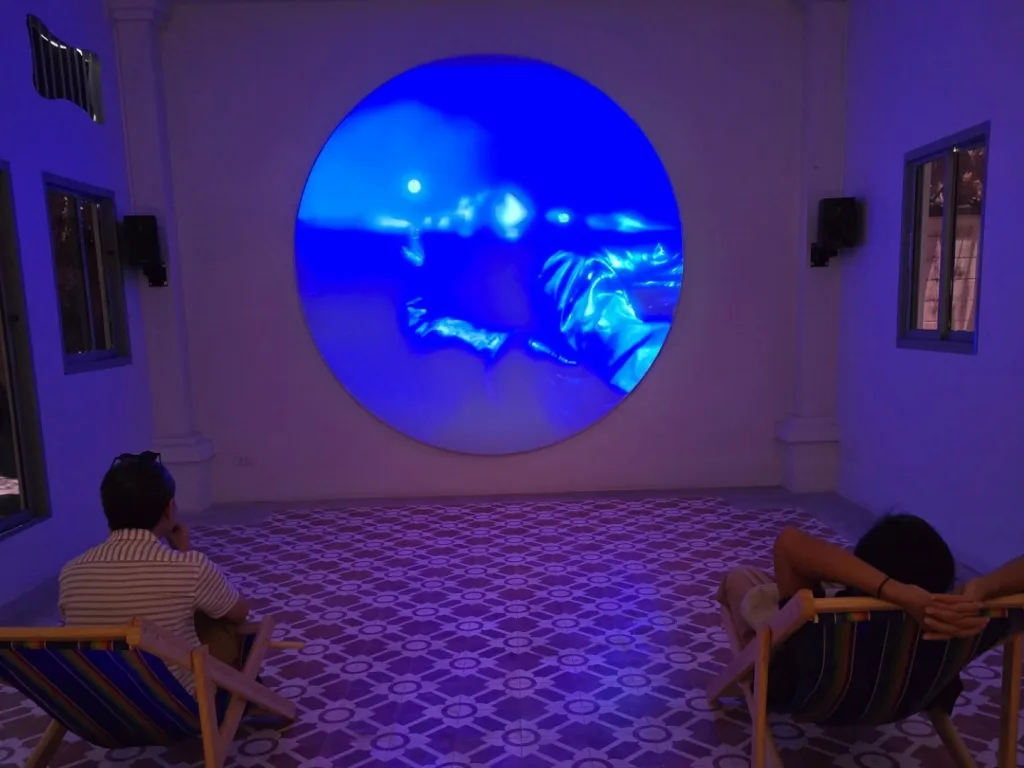
- Digital or video pieces shown in cultural venues
- Performance art happening at certain times
- Interactive works where visitors can walk through or engage with the piece
Not every artwork will be obvious at first glance. Contemporary art sometimes leans toward the abstract side. And that’s completely fine.
You don’t have to fully understand every piece to enjoy the experience. Sometimes it’s just about noticing the setting, the idea behind it, or how it changes the space around you.
I once saw a couple standing in front of an installation in Old Town. They looked at it for a while before the guy shrugged and said, “I’m not sure what it means… but it’s interesting.” They stayed there another five minutes talking about it anyway.
That’s pretty typical during the Biennale. Some works click right away. Others just make you curious for a moment.
Either way, it usually gets people looking at familiar parts of Phuket a little differently.
Is the Thailand Biennale Phuket Worth Visiting?
If you’re reading a Thailand Biennale Phuket guide, this is probably the question you’re really asking.
Is it actually worth the time?
The honest answer is… it depends a little on what you enjoy. The Biennale isn’t a typical tourist attraction. There’s no single entrance or main building. The Thailand Biennale Phuket venues are scattered around the island, and some artworks are subtle. You might need to slow down a bit to appreciate them.
For some people, that’s exactly the appeal.
People who usually enjoy it:
- Curious travelers who like exploring beyond beaches
- Anyone interested in art, design, or architecture
- Visitors already planning to wander around Phuket Town
- People who enjoy discovering unexpected things while exploring
People who might not love it as much:
- Visitors expecting a traditional museum experience
- Anyone trying to see everything in one afternoon
- People who prefer very clear, easy-to-understand artworks
The spread of venues can also mean a bit of driving. Phuket traffic and midday heat can turn a short trip into a longer one.
If I were planning a visit, I’d keep it simple.
Start in Phuket Old Town, where a few installations are often close together. Walk around, see what you stumble across, stop for coffee somewhere shady. Then maybe pick one venue outside town if it’s nearby.
I once met someone who tried to see half the Biennale in one day. By the end, they were mostly tired from the heat and traffic.
Two or three installations at a relaxed pace usually feels better.
That way the whole experience stays enjoyable.
Tips for Visiting the Thailand Biennale Phuket
Seeing the Biennale can be really enjoyable, but a little planning helps. The Thailand Biennale Phuket locations are spread across the island, and Phuket distances can be a bit misleading on the map. What looks like a short drive can turn into 40 minutes once traffic, lights, and heat are involved.
Nothing complicated though. A few simple tips make the day easier.
Helpful tips before you head out:
- Plan by area
Try grouping a few venues in the same part of the island. Many people start in Phuket Old Town, where installations and cafés are close together. - Go early or later in the afternoon
Midday heat in Phuket is no joke. Walking between venues at 2pm can feel much longer than it looks on the Thailand Biennale Phuket map. - Wear comfortable shoes
Some installations might involve walking through older streets, gardens, or uneven paths. - Bring water
Sounds obvious, but it helps. Especially if you’re exploring outdoor works. - Have a transport plan
Grab, Bolt, taxis, or a scooter all work. Just remember traffic around Phuket Town can get busy during certain hours. - Check the map before leaving
The official info usually shows all Thailand Biennale Phuket locations. It’s worth checking which venues are open that day.
One small Phuket detail people sometimes forget. The weather can shift quickly. A bright sunny morning can turn into a sudden tropical rain shower. It usually passes fast, but it’s another reason not to rush between too many venues.
I once watched a group sprint across Old Town trying to beat a rain cloud while holding festival maps over their heads. Five minutes later the sun came back out.
That’s Phuket for you.
Also remember the Biennale runs for months, according to the Thailand Biennale Phuket dates, so you don’t have to see everything in one day.
Healthy Eating in Phuket
Best Gyms in Phuket
Other Cultural Things to Do in Phuket
If you’re already out exploring the Biennale, it’s easy to mix in a few other Phuket cultural events or local spots along the way. The nice thing about the festival is that it naturally leads you into parts of the island people sometimes overlook.
Most visitors find it works best to combine art with wandering, food, and a bit of people watching.
Here are a few simple ideas that pair well with the art exhibitions Phuket has around the island.
- Walk around Phuket Old Town
The streets here already feel like an open-air gallery. Colorful buildings, small cafés, and a few Phuket Town art venues tucked between shops. - Visit a small local gallery
Phuket has several independent galleries. Some focus on Thai artists, others mix local and international work. - Explore a weekend market
If your visit lands on a weekend, markets like the Sunday Walking Street are lively and easy to combine with an afternoon of art. - Stop for coffee between venues
Old Town has plenty of quiet cafés. A good place to cool down after walking in the heat for a while. - Check out a local museum
Small museums around Phuket Town offer a bit of context about the island’s history. - Head to a viewpoint near sunset
After a day of exhibitions, the ocean view is a nice reset.
One thing I’ve noticed. The best Biennale days usually include a mix of art and wandering. See a few installations, grab lunch somewhere local, then keep exploring.
It keeps the day relaxed.
Thailand Biennale Phuket FAQ
When is Thailand Biennale Phuket?
The Thailand Biennale Phuket dates run from 29 November 2025 to 30 April 2026. That’s a long window, which is helpful. You don’t need to rush through everything in one day. Many people just visit a few exhibitions during a normal day out in Phuket Town or another part of the island.
Is Thailand Biennale Phuket free?
Many parts of the event are free to visit. A lot of installations are placed in public areas or cultural spaces. Some indoor venues may have their own entry rules, but generally the Biennale is designed so people can explore the art casually while moving around Phuket.
Where are the exhibitions located?
The Thailand Biennale Phuket venues are spread across the island. Some works appear around Phuket Town and Old Town. Others may be placed near beaches, nature areas, or cultural spaces. Checking the Thailand Biennale Phuket map before heading out usually helps.
Do I need tickets?
In most cases, no ticket is required. You can usually visit installations during normal venue opening hours. If there are performances or special events, those may have separate details. If something isn’t clear, local event information usually explains it.
How do I plan a route?
A good Thailand Biennale Phuket guide tip is to plan by area. Start with one neighborhood, see two or three nearby installations, then take a break. Phuket distances can be longer than expected once traffic and heat come into play.
Is it good for kids or families?
It can be, depending on the child. Some installations are visual and easy to enjoy. Others are more abstract. Families often enjoy the outdoor pieces because kids can move around instead of staying inside a quiet gallery.
How long do I need to see the Biennale?
You don’t need a full day unless you want to travel across multiple areas. Many people spend a couple of hours seeing a few nearby Thailand Biennale Phuket venues, especially around Phuket Town.
Is it worth visiting if I don’t “know art”?
Yes, most visitors aren’t art experts. The experience is more about exploring the island and noticing interesting pieces along the way. Sometimes you understand the artwork immediately. Sometimes you just enjoy the setting.
I once overheard someone say, “I’m not sure what it means, but I like it.” That’s actually a perfectly normal Biennale reaction.
Final Thoughts
The nice thing about the Thailand Biennale Phuket is that it doesn’t ask much from you. You don’t need to know anything about contemporary art. You don’t need to understand every piece.
Just show up with a bit of curiosity.
Pick one area of the island. Wander around. See what you come across. Some installations will make sense right away. Others might leave you wondering what the artist was thinking. That’s part of the experience.
I once watched someone walk straight past an artwork in Old Town, stop halfway down the street, then turn around like something clicked. They stood there for a few minutes just looking at it.
Moments like that are what make the Biennale interesting.
The best approach is simple. Don’t try to see everything. Explore one neighborhood, take a break when the heat gets heavy, maybe stop for lunch somewhere nearby.
Then keep wandering.
And if the day ends with a coffee in Old Town or a sunset somewhere along the coast, that’s already a pretty good outcome.
Glossary: Thailand Biennale Phuket Artists & Venues
Below is a quick reference of Thailand Biennale Phuket venues, artists, and opening hours. This helps if you want to plan which installations to visit around the island.
Poon Phol Night Plaza
Phoonpon Road, Talat Nuea, Mueang Phuket
Opening hours: Everyday 10:30–18:30
Parking: Available at venue
Artists:
Rossella Biscotti, Zheng Mahler, Kite, bani haykal, Oliver Laric, Tsai Ming-liang, Haig Aivazian, Lek Kiatsirikajorn, Ampannee Satoh, Aleksandra Domanovic
Video duration: ~1 hour 57 minutes
Jui Tui Shrine
283 Soi Phutorn, Talat Nuea, Mueang Phuket District
Opening hours: Everyday 10:30–18:30
Artist:
Zhao Yao
Video duration: ~1 hour 40 minutes
Mellow Pillow Hotel
17/14 Luangpohw Road, Talat Yai
Opening hours: Everyday 10:30–18:30
Parking: Available at venue
Artists:
Speedy Grandma, Koneksi Tamalanrea, Mochu & Merve Ertufan, Thuy Tien Nguyen, Saroot Supasuthivech
Video duration: ~45 minutes
Phuket Contemporary Art Gallery
Talat Yai, Mueang Phuket District
Opening hours: Everyday 10:30–18:30
Parking: Available at venue
Artists:
Ryue Nishizawa, Minnette de Silva
Video duration: ~60 minutes
DC Phuket Town
120 Yaowarad Road, Talat Yai, Mueang Phuket District
Opening hours: Everyday 10:30–18:30
Artists:
Araya Rasjdarmrearnsook, Wilawan Wiangthong
Video duration: ~15 minutes
Former Liquor Distillery (Excise Department)
Wichit Songkhram Road, Kathu
Opening hours: Everyday 10:30–18:30
Parking: Available at venue
Artists:
Luana Vitra, Wu Chi-Yu, Nirmala Dutt, Nathalie Muchamad, Tomiyama Taeko, Riar Rizaldi
Video duration: ~1 hour 20 minutes
San Chao Kathu Shrine
Kathu District
Opening hours: Everyday 10:30–18:30
Parking: Available at venue
Artists:
Andrew Thomas Huang, Serene Hui, Supapong Laodheerasiri
Video duration: ~53 minutes
Audio duration: ~28 minutes
First House of Luang Amnat Nararak
Vichitsongkram Road, Kathu
Opening hours: Everyday 10:30–18:30
Parking: Available at venue
Artist:
Supitcha Tovivich
Video duration: ~10 minutes
Chao Fah Power Station
Chao Fah Tawan Tok Road, Wichit
Opening hours: Everyday 10:30–18:30
Parking: Available at venue
Artists:
Niwat Manatpiyalert, Chantana Tiprachart, Ibrahim Mahama, Taloi Havini
Video duration: ~39 minutes
4000-Seat Municipal Gymnasium
Wichit, Mueang Phuket District
Opening hours: Everyday 13:00–18:00
Parking: Available at venue
Artists:
Ryuichi Sakamoto with Shiro Takatani, Nirmala Dutt, Yim Maline, Chatpong Cheunrudeemol & Eakapob Huangthanapan, Ayoung Kim
Video duration: ~29 minutes
Yi Teng Complex
Talat Nuea, Mueang Phuket District
Opening hours: Everyday 10:30–17:30
Parking: Available at venue
Artist:
Pratchaya Phinthong
Saphan Hin Park & Mangrove Walkway
Saphan Hin Public Park, Phuket Road
Opening hours: Everyday 18:30–22:00
Parking: Available
Artist:
Eiji Sumi
Saphan Hin Park
Opening hours: Early morning – 22:00
Artists:
Megan Cope, Pitupong Chaowakul
Khao Rang Viewpoint
145/5 Patiphat Road, Mueang Phuket
Opening hours: Everyday, all day
Parking: Available
Artist:
Ibrahim Mahama
Promthep Cape
Rawai, Mueang Phuket District
Opening hours: Everyday, all day
Best seen during a full moon at night
Artist:
Nolan Oswald Dennis
Getting Around the Thailand Biennale Phuket
Free Shuttle Buses
Free shuttle buses operate between many Thailand Biennale Phuket venues and Sala sites.
Service hours:
10:00 AM – 6:30 PM
Route 1
Yi Teng Complex
Former Kathu Liquor Distillery (Excise Department)
Sala 4 Kor Artland (Soi 4 Kor)
Kathu Shrine
First House of Luang Amnat Nararak
Route 2
Yi Teng Complex
Poon Phol Building
Saphan Hin Mangrove Walkway
4000-Seat Municipal Gymnasium
Visit Panwa Pier
Esan Artists Association (Suuko Pavilion)
Chao Fah Power Station
Route 3
Yi Teng Complex
Khao Rang Viewpoint
DC Phuket Town
Mellow Pillow Hotel
Phuket Contemporary Art Gallery
Pearl Theater & Pearl Bowl
Former Bangkok Bank of Commerce
Baan Turtle Phuket / Jui Tui Shrine
The Living Common (Phuket Thaihua Museum)
Ride-Calling Apps
Many visitors use Grab to call taxis, vans, or motorbike taxis around Phuket.
Taxi prices in Phuket can be higher than in other Thai cities, though motorbike rides are usually more affordable.
Hiring a Private Driver
You can also hire a driver if you plan to visit several venues across the island.