Phuket’s food scene is shifting, and the Michelin Guide Thailand 2026 makes it clear why. From local Southern Thai kitchens to refined tasting menus, the island now offers a more connected dining experience across every level. This guide breaks down what’s changed, where to eat, and how to experience Phuket’s evolving restaurant scene without overcomplicating your trip.
Table of Contents
You start to notice it in small ways.
A few years ago, eating in Phuket felt like picking a side. Street food in plastic chairs or hotel restaurants with white tablecloths. Both good in their own way, but very separate.
Now it feels different. The lines are softer. You can move between both without it feeling like a jump.
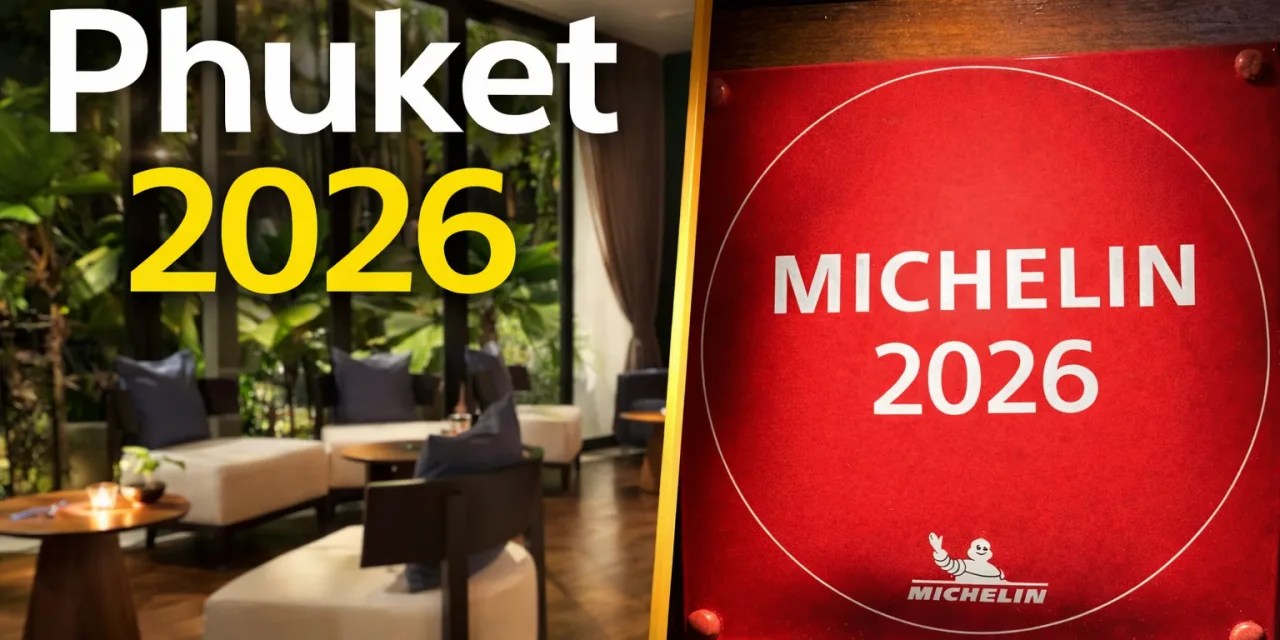
The Michelin Guide Thailand 2026 didn’t create that change. It just makes it easier to see what’s already happening.
What the Michelin Guide Thailand 2026 Says About Phuket
If you strip it back, the 2026 guide is not really about new stars. It is more about depth.
PRU is still the only Michelin Star restaurant in Phuket. That part hasn’t changed. It still sits at the top, doing its own thing with local ingredients and a very focused style.
What’s more interesting is everything around it.
There are now 19 Bib Gourmand restaurants across the island. These are not fancy places. They are where people actually eat. Southern Thai kitchens, small shops, places in Phuket Town that have been around for years.
Michelin is also paying more attention to sustainability. PRU and Jampa both hold Green Stars, which puts a spotlight on how ingredients are grown and sourced, not just how they taste.
Then you have newer names coming through. Younger chefs getting recognition. New restaurants opening in places like Bang Tao. It feels less static than before.
So the shift is not really about one big winner. It’s about the whole scene filling out.
What Michelin Seems to Care About Now
- Local ingredients
- Consistency over time
- A clear identity, not just copying trends
- Sustainability and sourcing
That mix tells you a lot about where Phuket’s food scene is heading.
Phuket’s Food Scene Finally Feels Connected
It didn’t always feel like this.
Before, it was easy to split things into categories. Street food was one world. Hotel dining was another. You didn’t really move between them in the same day unless you were trying to.
Now it feels more joined up.
You start to notice the same ingredients showing up in different places. Fresh seafood from the Andaman. Southern Thai spices that hit a bit harder. Herbs that you see in local markets in the morning and on a tasting menu later that night.
A crab curry in Phuket Town and a refined seafood dish at a fine dining restaurant are not that far apart anymore. The setting is different, but the roots are the same.
It feels less like separate experiences and more like different versions of the same place.
From Street Roti to a Tasting Menu
You can see it in a normal day without planning too much.
Start in the morning with roti on the side of the road. Nothing fancy. Just a small stall, plastic stools, and a quick breakfast before it gets too hot.
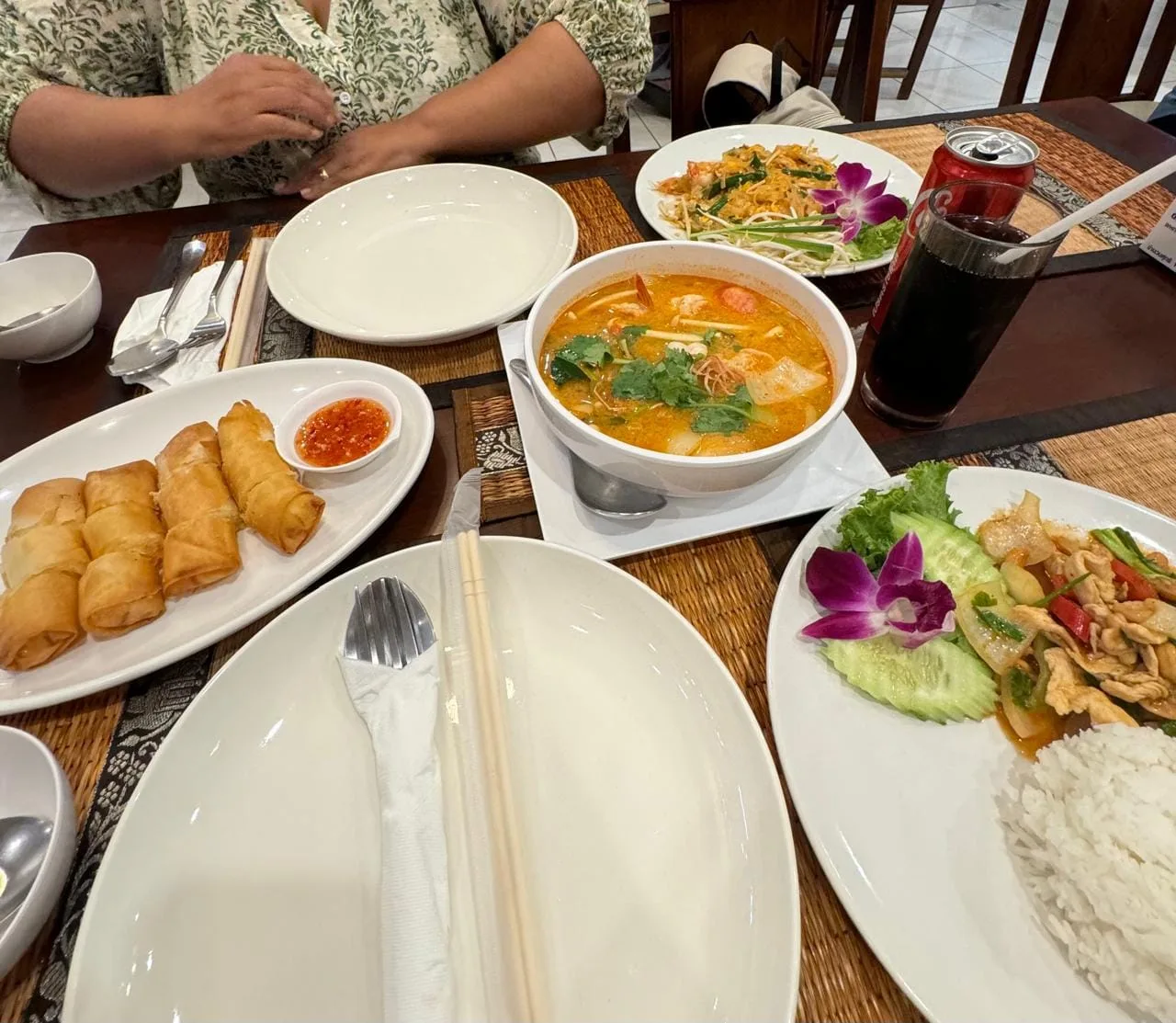
Later, you stop somewhere like One Chun in Old Town. Proper Southern Thai food. Strong flavours, a bit of heat, dishes meant for sharing.
Then in the evening, you sit down somewhere like PRU. Slower pace. Smaller portions. But the same idea is still there. Local ingredients, just handled differently.
It doesn’t feel like three separate experiences anymore.
It just feels like Phuket.
The Restaurants That Show the Shift
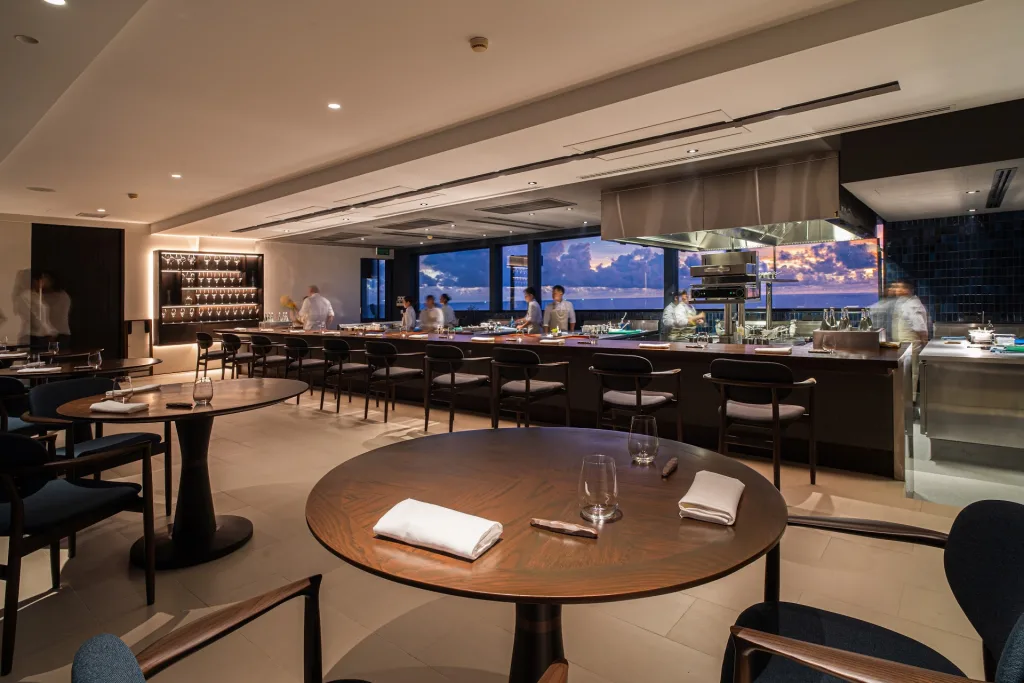
PRU
PRU is still the reference point.
It’s the only Michelin Star restaurant in Phuket, and it also holds a Green Star. That tells you a lot about how it works. Everything is built around local sourcing. Ingredients are grown, found, or raised with intention.
The space is quiet. No loud tables, no rush. You sit, you follow the menu, and you pay attention.
It doesn’t feel like a typical dinner out. It feels more focused than that.
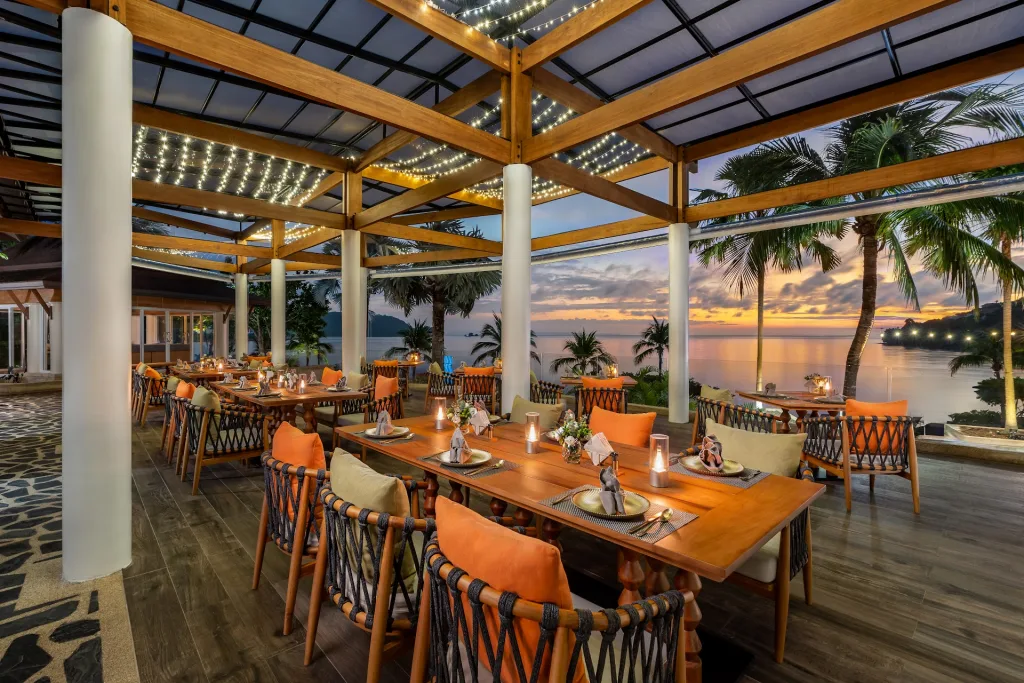
Tamarind
Tamarind at Pullman Panwa has changed a lot recently.
Under Chef Nok, the food feels more considered. The plating is cleaner, the dishes feel more refined, but it still leans into Thai flavours.
What stands out is the location. Panwa is not where people usually go for this kind of dining. Most of the attention has always been on the west coast.
This feels like a small shift. Fine dining is starting to spread out a bit.
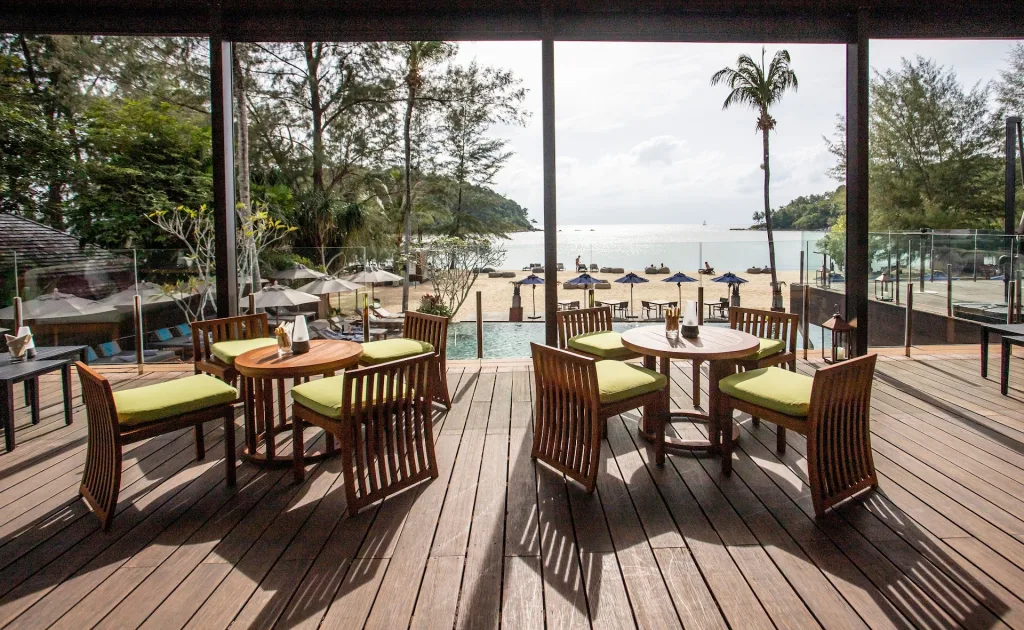
Zuma
Zuma is a different kind of presence.
It’s a global brand, and people already know what to expect. The food is consistent, the room has energy, and it draws a certain crowd.
What’s interesting is how long it’s staying. Extending through April is not something you would have seen before.
It suggests Phuket can now hold onto these international concepts for longer, not just during the peak weeks.
The Real Backbone – Phuket’s Bib Gourmand Restaurants
If you want to understand Phuket’s food scene, this is where you look.
There are 19 Bib Gourmand restaurants on the island now. These are not special occasion places. They are everyday spots. The kind of places locals return to without thinking too much about it.
A lot of them focus on Southern Thai food. Strong flavours, a bit spicy, dishes that don’t try to tone anything down. You see a lot of seafood, herbs, and recipes that feel tied to the area.
The mix is what makes it interesting.
You have street food like roti stalls and simple breakfast spots. Then you have casual sit-down restaurants in Phuket Town. Some are in old buildings, some are a bit hidden, but they all feel grounded.
Places like One Chun or Mor Mu Dong are not trying to impress anyone. They just do what they do well.
And that’s the point.
Fine dining gets attention, but this is the base layer. This is where the flavours come from. This is what everything else builds on.
Without it, the rest doesn’t really work.
| Restaurant Name | Area | What to Order |
| One Chun | Old Town | Crab curry with vermicelli |
| Mor Mu Dong | Mangrove area | Stuffed mackerel |
| Roti Thaew Nam | Old Town | Charcoal-grilled roti |
| Go Benz | Phuket Town | Dry rice porridge |
| Krua Praya | Near Cherngtalay | Southern Thai set dishes |
A Simple Food Plan for 1–2 Days in Phuket
If you don’t have much time, keep it simple.
- Have one proper Southern Thai meal
Sit down somewhere like One Chun or a similar spot in Phuket Town. Order a few dishes and share. Don’t rush it. - Stop for street food at least once
Roti in the morning works well. Or a quick late-night stop after dinner. These are usually the meals you remember most. - Try one higher-end dinner
Doesn’t have to be the most expensive place. Just somewhere a bit more considered. Slow it down, notice the details.
That’s enough to get a real feel for how Phuket eats right now.
A New Generation Is Coming Through
You start to see it once you look past the usual names.
The Young Chef Award going to the chef at Royd is a good example. It’s not a big, flashy place. But it shows that newer voices are being noticed now, not just the established ones.
There are also new openings like Bisou in Bang Tao. Different style, a bit more modern, but still part of the same shift. Not trying to copy what already exists. Just adding something new to the mix.
It feels like things are moving, but in a quiet way.
Not a sudden change. More like more people stepping in, doing their own thing, and slowly raising the overall level.
Where to Eat in Phuket 2026 (By Mood)
Sometimes it’s easier to decide based on how you feel rather than what’s “best”.
Something Special
If you want to slow things down and make it a proper evening, go for something more considered.
PRU is the obvious one if you want a full experience. It’s quiet, structured, and you’ll need to book ahead.
Tamarind is a good option if you want something refined but a bit more relaxed. The setting in Panwa also makes it feel like you’ve stepped away from the usual areas.
Something Lively
Some nights you just want energy. A bit of noise, a full room, people moving around.
Zuma fits that well. It’s busy, social, and works if you’re with friends or just want something that feels a bit more active.
Places around Bang Tao or Cherngtalay also fall into this category. You’ll find a mix of restaurants and bars, and it’s easy to move between them.
Something Local
This is where you go when you just want real food without thinking too much about it.
Head into Phuket Town. One Chun is a safe choice for Southern Thai dishes. Mor Mu Dong if you want something more rustic and a bit different.
Or just stop at a small street food spot. A quick plate, plastic chair, no planning. Those meals tend to stick with you.
Why This Matters If You’re Visiting Phuket
It makes things easier.
You don’t have to decide what kind of trip you’re on anymore. It’s not cheap food or nice dinners. You can do both without it feeling out of place.
You can have a simple lunch in Phuket Town, then book something more considered for the evening. It doesn’t feel like two different trips. It just feels like the same place, seen in different ways.
It also means you don’t need a big plan.
You can follow your day a bit more. Eat when you’re hungry, stop somewhere that looks good, then choose one or two meals to slow down and enjoy properly.
That mix is what makes it work now.
FAQ
Is Phuket good for fine dining now?
Yes, but it feels more balanced than before. It’s not just hotel restaurants anymore. There’s more focus on local ingredients and a clearer identity behind the food.
How many Michelin restaurants are in Phuket?
There is one Michelin Star restaurant, which is PRU. Alongside that, there are 19 Bib Gourmand spots and several Michelin Selected restaurants across the island.
Is fine dining expensive in Phuket?
It can be, especially at places like PRU. But you don’t need to spend a lot to eat well here. There are plenty of mid-range and local options that are just as satisfying.
Should I book restaurants in advance?
For fine dining, yes. Places like PRU usually need booking ahead. For local restaurants, you can usually just walk in, especially outside peak hours.
Final Thought
It’s not a big, obvious change.
Nothing about it feels sudden. But if you’ve spent time here before, you’ll notice it. The way places cook, the way menus are written, even the way people talk about food. It feels more rooted now.
You see the same ingredients showing up in different ways. You recognise flavours across different kinds of restaurants. It all feels a bit more connected.
Phuket isn’t trying to be somewhere else anymore.
It’s starting to feel comfortable being itself.