The Thailand nominee company crackdown is changing how foreigners buy property in Phuket. But did Thailand already have legal pathways for foreign buyers to own house-style properties? Explore what the crackdown means, how horizontal condominiums work, and what buyers need to know before investing.
Table of Contents
Thailand’s property market is going through a moment many foreign buyers have been watching closely.
Across the country, authorities are investigating thousands of foreign-linked companies suspected of holding land on behalf of overseas buyers. For people living in Phuket, where international property ownership has been part of the island’s story for decades, the news has raised an obvious question:
Can foreigners own a house in Thailand legally, or has the dream always depended on finding a workaround?
It is a fair question.
Many foreigners come to Phuket because they fall in love with the lifestyle.
The sea views.
The slower pace.
The idea of having a place to call home somewhere warm.
But when it comes to property ownership, the reality becomes more complicated.
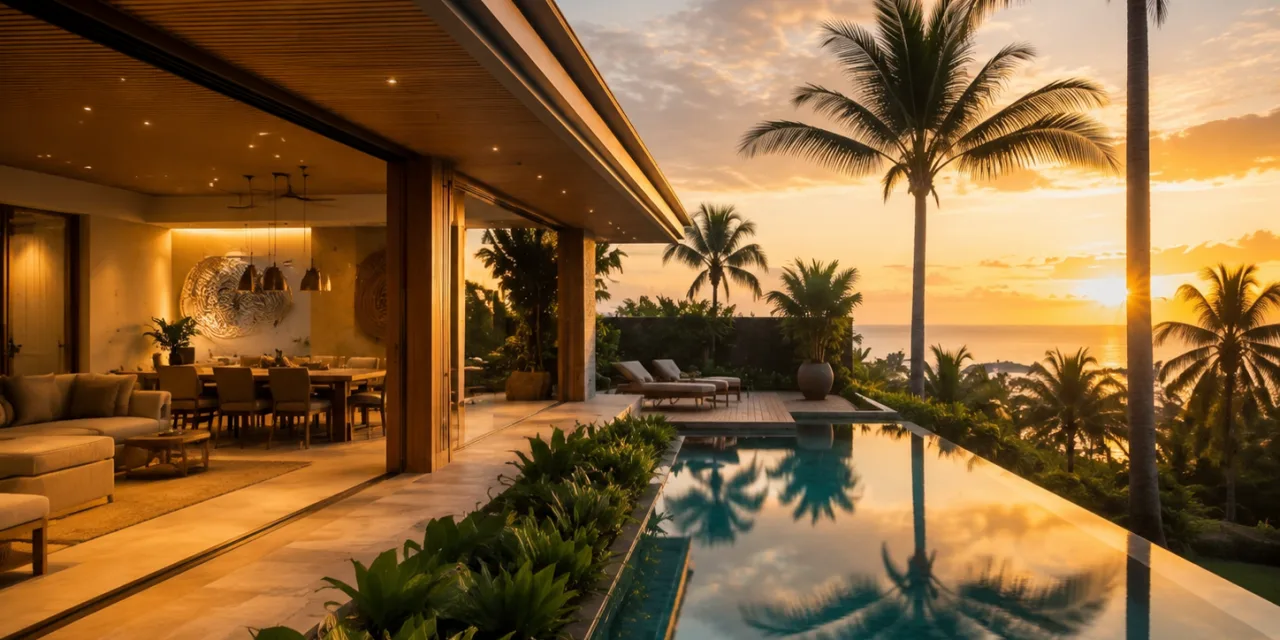
Foreign buyers often want what most people naturally look for in a home: a garden, privacy, space, and a villa near the beach.
The problem is that Thai property law has historically created a clear separation between owning a building and owning the land underneath it.
This gap between what buyers wanted and what the law allowed created demand for different ownership structures, including Thai company arrangements that are now receiving much more attention during the Thailand nominee company crackdown.
But here is where the conversation gets interesting.
The assumption behind much of the current discussion is that foreigners had no lawful route to own house-style properties in Thailand.
The reality is more complicated.
Thailand has long had a legal framework that allows foreigners to own certain residential properties through condominium ownership. While most people think of condominiums as high-rise buildings in Bangkok or Phuket Town, the law does not only apply to traditional apartment towers.
A lesser-known option called a horizontal condominium or villa condominium can allow house-style residences to be structured under the Condominium Act with individual ownership titles.
It is not a simple solution.
It is not available everywhere.
And it does not replace careful property due diligence.
But it does challenge the idea that foreigners only had one choice.
To understand where Phuket’s property market goes next, we need to look beyond the crackdown and understand the legal pathways that already existed.
Thailand’s Foreign Property Crackdown: Why Nominee Companies Became So Common
For many foreigners, buying property in Thailand starts with a simple dream.
They are not usually looking for a complicated investment structure.
They want a home.
A place with a garden.
A private pool.
A quiet corner of Phuket where they can spend their retirement, work remotely, or enjoy island life with their family.
The challenge is that Thai property law has always treated land ownership differently for foreigners.
In general, foreigners cannot directly own land in Thailand in the same way Thai citizens can.
They can own certain types of property, such as condominium units under specific conditions, but buying a traditional house with land attached has always been more complicated.
This created a gap between what many foreign buyers wanted and what was legally straightforward.
A foreign buyer might walk into a property development in Phuket and see a beautiful villa.
The lifestyle makes sense.
The location makes sense.
The price makes sense.
But then comes the ownership question:
“How can I legally own this?”
Over the years, different structures appeared to bridge this gap.
One of those was the use of Thai company structures.
A company registered in Thailand could legally own land.
The issue was not the existence of Thai companies themselves.
Many legitimate businesses in Thailand are owned through companies.
The concern came when some companies were created mainly to hold property for foreigners, with Thai shareholders acting as nominees rather than genuine business partners.
A simple way to think about it is this:
Imagine someone wants to buy a house but cannot put their name on the land title.
Instead, they create a company where the company owns the land, but the foreign buyer is the person who controls and benefits from the property.
This is where authorities began asking deeper questions about who actually owns and controls these assets.
The current Thailand nominee company crackdown is focused on identifying structures where Thai shareholders may only exist on paper while foreign individuals have effective control of the property.
The goal is not simply about foreign buyers owning property.
It is about making sure ownership structures follow Thai law and that land ownership rules are not being bypassed.
Why did nominee structures become popular?
- Foreign buyers wanted landed homes: Many buyers preferred villas, gardens, and private residences rather than apartment-style living.
- Direct land ownership was restricted: Thai law created limitations around foreigners owning land directly.
- Demand grew in resort markets: Places like Phuket, Pattaya, Koh Samui, and Hua Hin attracted international buyers looking for long-term homes.
- Alternative solutions filled the gap: Company structures became one way some buyers attempted to achieve the lifestyle they wanted.
- Many buyers relied on local advice: Some foreigners followed recommendations from agents, developers, or advisers without fully understanding the long-term legal risks.
The interesting part is that the property conversation does not end here.
The crackdown has highlighted the risks of certain structures, but it has also brought attention to another question:
Were there legal options available that many buyers simply never knew about?
The Legal Reality: Foreigners Can Own Property in Thailand, But Land Is Different
One of the biggest misunderstandings about Thai property ownership is the idea that foreigners cannot own anything.
That is not quite true.
The reality is more specific.
Thailand makes an important distinction between owning a building or residential unit and owning the land underneath it.
For many foreign buyers, this difference is the part that creates confusion.
A person might think:
“I can buy a beautiful villa in Phuket, so why can’t I simply own the land it sits on?”
The answer comes down to Thai land ownership rules.
In general, Thai law restricts foreigners from directly owning land. Land is treated differently from other assets because it is connected to national resources and long-term land control.
However, this does not mean foreigners are completely excluded from the Thai property market.
There are legal pathways.
The most common one has been condominium ownership.
Under the Condominium Act, foreigners can directly own condominium units, provided certain conditions are met. This includes staying within the 49% foreign ownership quota Thailand allows in a registered condominium project.
This is why condominiums became the main route for foreign freehold property Thailand.
A foreign buyer can own the unit itself, receive a condominium title deed, and hold that ownership in their own name.
For many international buyers, especially in places like Phuket, Bangkok, Pattaya, and Koh Samui, this offered something much clearer than trying to structure ownership around land.
The key point is:
Thailand does not simply say “foreigners cannot own property.”
It says:
“Foreigners can own certain types of property, but land ownership follows different rules.”
Understanding this difference is important before looking at any property purchase.
Here is a simple overview:
| Property type | Can foreigners directly own it? | Main consideration |
| Condominium unit | Yes, if conditions are met | Must follow Thai condominium foreign ownership rules and remain within the foreign quota |
| Land with a house or villa | Generally no direct ownership | Foreign buyers need to consider alternative legal structures |
| Leasehold villa | Yes, through a registered lease | Ownership is based on lease rights and the agreed lease period |
| Company-owned property | Depends on the structure | Requires careful review, especially with current foreign control concerns |
| Horizontal condominium / villa condominium | Potentially yes, if properly registered | Must have correct condominium registration and title documents |
For decades, the standard advice for foreign buyers was simple: if you want freehold ownership, look at a condominium.
But there is another part of the story that many people have missed.
When most people hear the word “condominium,” they imagine a high-rise building with hundreds of apartments.
But under Thai property law, not every condominium has to look like a tower.
Some can look much more like the homes many foreign buyers actually want.
The 49% Foreign Ownership Quota Explained
If you have started looking into buying a condominium in Phuket, you have probably come across one number again and again:
49%.
For many first-time buyers, this number can seem confusing.
What does it actually mean?
Does it mean foreigners can only own 49% of a building?
Can any foreigner buy a condo?
Does it apply to every property in Thailand?
The simple answer is this:
The 49% foreign ownership quota Thailand allows foreigners to own a limited percentage of units within a registered condominium project.
It is one of the main reasons condominiums became the most common route for foreign freehold property Thailand.
The idea behind the rule is to create a balance.
Thailand allows international buyers to own condominium units directly, but it also ensures that the majority of ownership within a condominium project remains with Thai nationals.
This means a foreign buyer cannot simply walk into any condominium project and purchase any available unit.
The project must still have foreign ownership space available.
This is where many buyers get caught out.
A beautiful beachfront condominium in Phuket may look perfect, but if the foreign quota is already full, the buyer may not be able to register the unit under their name as a foreign owner.
The property itself may be available.
The ownership route may not be.
Quick example
Imagine a condominium project has 100 units.
Thai condominium foreign ownership rules allow up to 49% of the total project area to be owned by foreigners.
That means the project has a limited amount of foreign ownership space available.
If 49 units have already been purchased by foreign buyers, the remaining units may only be available for Thai buyers or buyers who qualify through other ownership arrangements.
The important thing to understand is:
Not every condominium unit can automatically be sold to foreigners.
The building needs to have available foreign quota at the time of purchase.
For buyers in Phuket, checking the foreign quota should be part of normal property due diligence.
Before signing a purchase agreement, buyers should confirm:
✅ The property is a registered condominium
✅ The unit qualifies under the foreign ownership quota
✅ The condominium juristic person confirms foreign ownership availability
✅ The correct documents are prepared for registration at the Land Office
This rule is one reason condominiums became popular among foreign buyers.
Unlike landed properties, where direct foreign ownership is generally restricted, condominium ownership provides a clearer legal pathway.
But there is another interesting detail.
When people hear the word “condominium,” they usually picture a high-rise tower.
In reality, Thai condominium law does not only apply to tall buildings.
Some condominium projects can look very different from the typical Bangkok apartment block, including low-rise developments and house-style properties known as horizontal condominiums.
The Forgotten Solution: Horizontal Condominiums in Thailand
When most people hear the word “condominium,” they immediately picture the same thing.
A tall building.
Rows of apartments.
Shared hallways.
A swimming pool downstairs.
Maybe a rooftop view over Bangkok or the Phuket coastline.
That image is so common that many people assume a condominium has to be a high-rise building.
But this is where the conversation gets interesting.
Under Thailand’s Condominium Act, a condominium is not defined simply by how many floors it has or whether units are stacked vertically.
The law focuses more on the ownership structure.
A condominium is a property where individual owners can hold separate ownership of their own units while sharing ownership of common areas.
This opens the door to a less-known concept called a horizontal condominium Thailand.
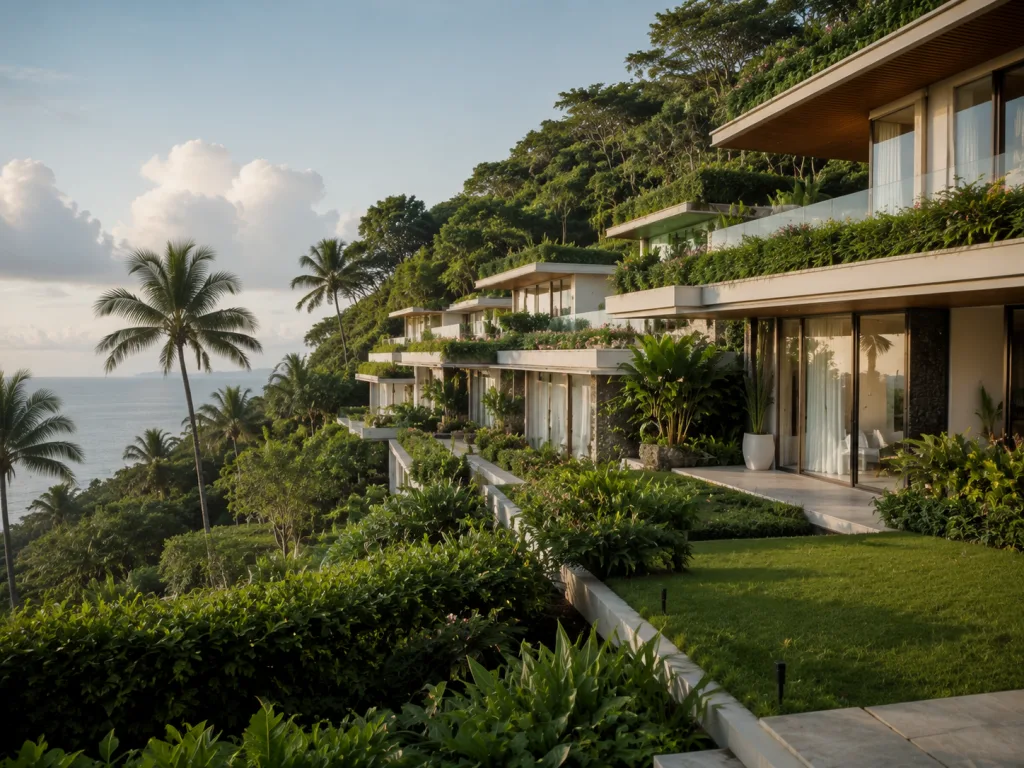
Instead of apartments stacked on top of each other, a horizontal condominium can be made up of low-rise homes that look much closer to traditional villas.
From the outside, it may look like a private house.
It may have:
- a garden
- a terrace
- outdoor space
- a villa-style design
But legally, it can operate as a condominium unit with its own condominium title deed.
This is why some people refer to these developments as a villa condominium Thailand.
The idea is quite simple.
The buyer owns their individual residential unit.
At the same time, they share ownership of certain common areas, such as roads, facilities, and other shared infrastructure within the development.
For foreign buyers, this concept is interesting because it creates another possible route beyond the traditional choice between a high-rise condominium and a leasehold villa.
However, it is important to keep expectations realistic.
Horizontal condominiums are not everywhere.
They are still a niche part of Thailand’s property market.
They require careful planning, correct registration, approval from relevant authorities, and proper documentation.
A villa-style property is not automatically a horizontal condominium just because it looks like one.
The legal structure matters.
For Phuket buyers, this is an important part of the bigger property conversation.
Many foreigners are not searching for an apartment.
They are searching for a home.
Understanding that Thailand’s condominium system can sometimes include more than towers and apartments helps buyers see the full range of options available in the Phuket real estate market.
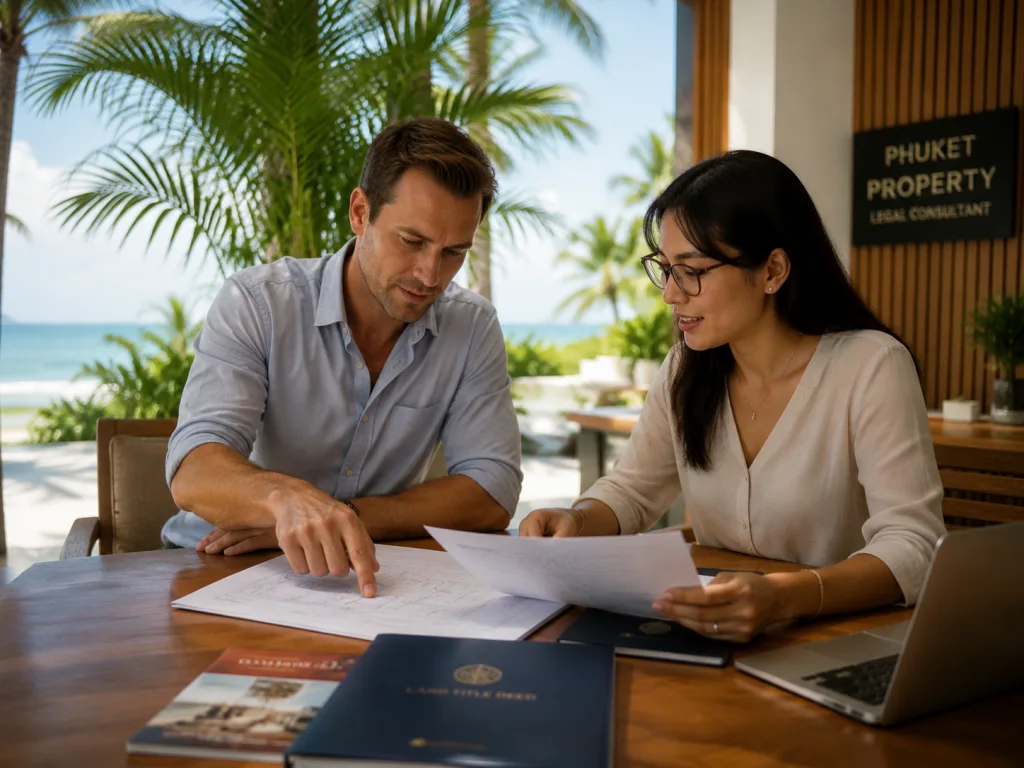
What Is a Horizontal Condominium? Understanding Private Ownership and Shared Property
The easiest way to understand a horizontal condominium is to forget the image of a tall apartment building.
Think about it more like a private villa community.
You might have your own house-style unit, your own living space, and your own privacy.
But instead of owning a separate piece of land with a traditional land title, the property is structured under Thailand’s condominium system.
This means ownership is divided into two parts:
- The part you own privately
- The parts everyone owns together
This is the key idea behind how a horizontal condominium works.
Private Ownership: Your Individual Unit
The first part is the easiest to understand.
The buyer receives ownership of their individual unit through a Condominium Title Deed, known as an Or Chor 2 title deed.
This document confirms that the buyer owns a specific condominium unit.
In a horizontal condominium, that unit may look very different from a typical apartment.
It could be:
- a villa-style home
- a townhouse-style residence
- a low-rise house within a private development
The owner has rights over their own residential space, including the interior living area and the parts specifically registered as part of that unit.
This is what makes it different from a normal leasehold villa.
Instead of only having the right to use the property for a fixed period, the owner holds a registered condominium ownership interest.
For foreign buyers, this is one reason the structure is interesting.
It provides a potential route for freehold ownership without needing to own the land directly.
Common Property: The Parts Everyone Shares
The second part is the shared ownership.
In a horizontal condominium, the land underneath the development is not divided into separate private plots like a traditional housing estate.
Instead, the land becomes part of the common property.
All unit owners share ownership of these common areas.
This can include:
- internal roads
- gardens and landscaping
- security areas
- shared facilities
- infrastructure systems
- other areas used by residents
The management of these shared areas is handled through the condominium juristic person.
Think of it like the management system of a normal condominium building.
Instead of managing elevators and hallways, the juristic person may be managing roads, gardens, security, and shared facilities within a villa-style development.
Owners contribute through maintenance fees, which help cover the costs of looking after these shared spaces.
Quick way to understand it
| Private ownership | Shared ownership |
| Your individual residential unit | The land and common areas within the development |
| Registered through an Or Chor 2 title deed | Shared by all condominium owners |
| Your living space, interior areas, and registered private sections | Roads, gardens, facilities, security, and infrastructure |
| You control your own unit | Decisions are managed through the condominium juristic person |
This structure can feel unusual at first because most people naturally think:
“If I own a house, I should own the land underneath it.”
That is the traditional idea many buyers have.
A horizontal condominium works differently.
You are not buying a land plot with a house on it.
You are buying a legally registered residential unit with shared ownership rights connected to the wider development.
For Phuket buyers, this distinction matters because many foreigners are looking for something between a high-rise condominium and a traditional villa.
A horizontal condominium is designed to bridge that gap.
It offers the feeling of a private home while using a legal ownership structure that can work within Thailand’s condominium framework.
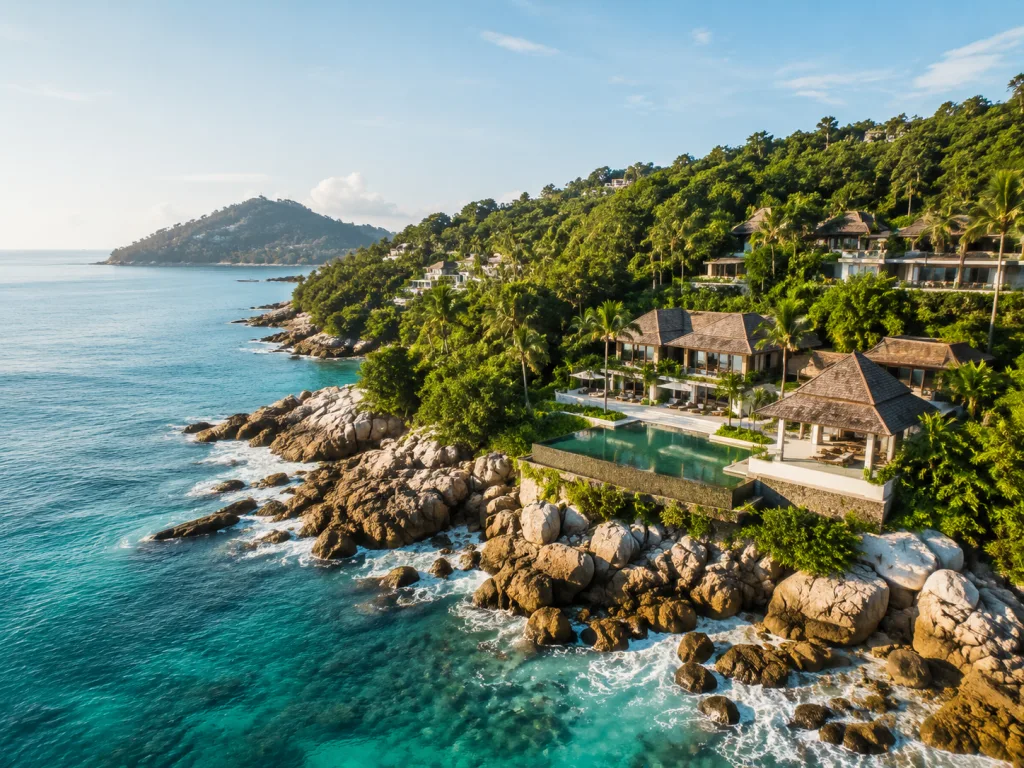
The Pattaya Example: When House Ownership Became Possible
This is where things get interesting.
For years, many people assumed that if a foreign buyer wanted a house in Thailand, there were only a few choices.
Buy a condominium.
Take a leasehold.
Or explore more complicated ownership structures.
But a project in Pattaya showed that there was another possibility.
The idea was not to change Thai property law.
It was to work within the existing legal framework.
The project, known as Home Boutique and also marketed as I-Condominium, was developed in Pattaya in 2008 as an attempt to solve one of the biggest challenges facing foreign buyers.
How can someone own a house-style residence in Thailand without relying on a nominee company structure?
The answer was to use the Condominium Act in a different way.
Instead of creating a traditional high-rise apartment building, the development was designed as a low-rise residential project.
From the street, the homes looked much closer to private villas than a typical condominium.
They offered the things many foreign buyers were actually searching for:
- more privacy
- more space
- a house-like living experience
- a residential feel rather than apartment living
But legally, the properties were structured as condominium units.
Each unit could receive its own Or Chor 2 title deed, giving the owner registered ownership of that individual unit.
The land underneath the project was treated as common property, shared between condominium owners rather than being divided into separate land plots.
This allowed the development to fit within Thailand’s condominium ownership system while giving buyers a property that felt much closer to a villa.
It was an important example because it showed that the word “condominium” did not always mean a tower full of apartments.
A condominium could also be a carefully structured low-rise residential project.
However, this does not mean every villa in Phuket or Thailand can simply become a condominium.
This is where buyers need to be careful.
The structure requires proper planning, approval, registration, and compliance with the relevant rules.
A developer cannot just build a collection of houses and call it a villa condominium.
The legal framework has to be established from the beginning.
So why did this approach remain rare?
The answer is not only about the law.
It also comes down to business reality.
Developers had to deal with more complicated approval processes, foreign ownership limits, and the challenge of selling the remaining Thai ownership quota.
In many luxury villa markets, including Phuket, developers often found simpler commercial routes through leasehold developments or other structures.
The Pattaya example was important because it proved something:
A legal pathway for house-style foreign ownership existed.
The challenge was making that pathway practical, attractive, and commercially viable for the wider market.
So Why Didn’t Phuket Build More Villa Condominiums?
This is where the story becomes less about law and more about business.
At first glance, horizontal condominiums seem like an obvious solution.
Foreign buyers want houses.
Thailand has a legal framework for condominium ownership.
So why do we not see more villa condominiums across Phuket?
The answer is that the challenge was never only about whether the structure was legally possible.
The bigger issue was whether it worked commercially.
For developers, creating a horizontal condominium meant taking on more complexity than a traditional villa project or a standard condominium tower.
And in a competitive market like Phuket, where developers need projects to sell smoothly and predictably, those extra challenges mattered.
The Foreign Quota Challenge
One of the biggest obstacles was the 49% foreign ownership quota Thailand applies to condominium projects.
In a typical high-rise condominium, this model can work quite well.
Imagine a building with 500 apartments.
A developer can sell nearly half of those units to foreign buyers while still having a large number of units available for Thai buyers.
The numbers work.
But a luxury villa-style development is different.
Imagine a project with only 20 large villas.
The developer may quickly find demand from foreign buyers who want a Phuket home.
But the project still needs to sell the remaining Thai ownership portion.
This creates a problem.
Many Thai buyers looking at luxury homes do not necessarily want a villa that is registered as a condominium unit.
They often prefer traditional landed property with a chanote title deed, where they directly own the land and house.
For many local buyers, that feels simpler and more familiar.
This difference in buyer expectations created a difficult commercial equation for developers.
Developer Economics Matter
Building a horizontal condominium also requires more planning upfront.
Developers need to consider:
- condominium registration requirements
- approval from the Land Office
- project regulations
- shared infrastructure
- condominium juristic person management
Compared with a normal housing development, there are more steps before sales can happen.
For a developer, time and certainty matter.
A project that takes longer to approve or is harder to sell carries more risk.
This is one reason many developers in Phuket chose other approaches when creating villa projects aimed at foreign buyers.
These included:
- leasehold property structures
- traditional Thai ownership structures
- other development models
The issue was not that horizontal condominiums were impossible.
The issue was that they were difficult to scale.
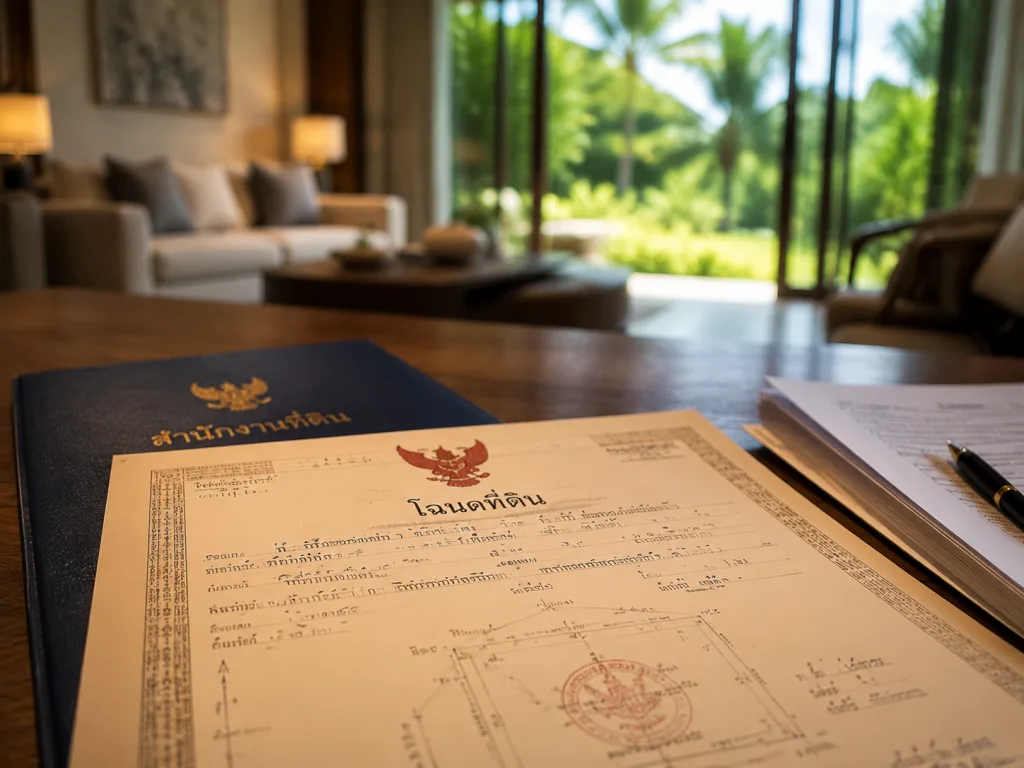
Why This Matters for Phuket Foreign Property Ownership
The Phuket property market has always had strong international demand.
Foreign buyers often come looking for the same things:
- privacy
- space
- lifestyle
- a long-term home
But developers have to balance foreign demand with Thai property rules and local market expectations.
A legal structure only becomes successful when it also works commercially.
That is why horizontal condominiums remain a niche part of Phuket foreign property ownership rather than becoming the standard solution.
| Challenge | Why it matters |
| Foreign ownership quota | Developers cannot sell the entire project to overseas buyers |
| Thai buyer preferences | Many Thai buyers prefer direct land ownership through traditional property titles |
| Smaller project size | Luxury villa projects have fewer units, making quota management harder |
| Administrative complexity | Registration and approval require more planning and documentation |
| Market familiarity | Buyers and developers are more familiar with traditional condos and villas |
The interesting question for Phuket is whether the current property crackdown changes this calculation.
As nominee structures face more scrutiny, developers may start looking again at legal ownership models that were previously overlooked.
And horizontal condominiums may become part of that conversation.
The Villa Buyer Gap: Why Developers Struggled to Make Horizontal Condominiums Work
This is the part of the story that often gets overlooked.
On paper, a horizontal condominium sounds like it should solve a very obvious problem.
Foreign buyers want houses.
Thailand has a legal structure that can allow certain foreigners to own condominium units.
So why not simply create more villa-style condominium projects?
The challenge is that developers are not only solving a legal problem.
They are solving a market problem.
A developer has to sell the entire project, not just the units that appeal to foreign buyers.
And this is where the different expectations between foreign and Thai buyers become important.
Imagine a developer creates a luxury project in Phuket with 20 private villa-style residences.
Each home has:
- a garden
- a swimming pool
- private living space
- a resort-style design
The project looks exactly like what many foreign buyers are searching for.
For an overseas buyer, it feels like the perfect solution.
They get the lifestyle of a villa while using a condominium ownership structure.
But the developer still has another challenge.
The project cannot simply be sold entirely to foreigners because of the condominium foreign ownership quota.
A portion of the project needs to remain available for Thai ownership.
This is where the market expectations start to differ.
What Foreign Buyers Often Look For
Many foreign buyers coming to Phuket are focused on lifestyle and long-term security.
They often value:
| Foreign buyer expectations | Why it matters |
| Privacy | They want a home environment rather than apartment living |
| Garden and outdoor space | Many buyers are leaving colder climates and want tropical living |
| International ownership security | They want clear legal ownership under Thai law |
| A long-term base in Phuket | The property is often connected to retirement, family, or lifestyle plans |
For these buyers, a villa condominium can feel attractive because it combines a house-like environment with a registered ownership structure.
What Thai Luxury Buyers Often Look For
Thai buyers looking at high-end residential property may have a different set of priorities.
Many prefer:
| Thai buyer expectations | Why it matters |
| Chanote title deed | Traditional land ownership is familiar and widely understood |
| Direct land ownership | Buyers often want full control over the land and property |
| Conventional housing estate structure | This matches what many local buyers already know |
| Fewer shared ownership rules | Some buyers prefer not to manage property through a condominium system |
This does not mean one preference is better than the other.
They are simply different views of what creates value in a property.
A foreign buyer may see value in the security of a condominium title.
A Thai buyer may see value in owning a piece of land directly.
Both perspectives make sense.
Why This Created a Problem for Developers
The difficulty for developers was finding enough buyers from both groups.
A project designed around foreign demand could quickly attract overseas interest.
But if the remaining units were harder to sell locally, the project became financially challenging.
Developers had to balance:
- foreign demand for villa-style living
- Thai demand for traditional land ownership
- condominium regulations
- project approval requirements
This is one reason horizontal condominiums remained a niche solution rather than becoming the dominant model for Phuket foreign property ownership.
The idea worked legally.
The challenge was making the numbers work in the real world.
And in property development, that difference matters.
Buying a Villa in Phuket: Understanding What “Ownership” Actually Means
One of the biggest sources of confusion for foreign buyers is the word “villa.”
A villa can look exactly the same from the outside, but the ownership structure behind it can be completely different.
This is especially important when buying a house in Phuket as a foreigner.
A private pool.
A tropical garden.
A sea view.
A beautiful kitchen.
All of these things make a property feel like a home.
But before looking at the furniture, the view, or the location, buyers need to understand one simple question:
What exactly am I owning?
In Thailand, “owning a villa” could mean several different things.
It could mean owning a condominium unit that looks like a house.
It could mean having a long-term lease over a villa.
It could mean owning shares in a company that holds the property.
Or it could involve a nominee structure, which is now receiving much more attention from authorities.
The important thing is not to assume all villa ownership structures provide the same level of security.
They are different products with different considerations.
Different Ways Foreigners Can Own or Control Villa-Style Properties in Thailand
| Ownership type | What it means | Main consideration |
| Freehold condominium ownership | The buyer owns a registered condominium unit, which can sometimes be designed as a villa-style residence | Requires proper condominium registration, an Or Chor 2 title deed, and availability under the foreign quota |
| Leasehold villa | The buyer receives the right to use the property for a registered lease period | The buyer owns the lease rights, not the land itself. Renewal terms and contract conditions are important |
| Company ownership | A Thai company owns the land and property | The structure must be reviewed carefully to understand ownership, control, and compliance requirements |
| Nominee structure | Thai individuals appear to own shares while a foreign buyer controls the property | Authorities are increasing scrutiny of arrangements where ownership does not reflect genuine control |
The Questions Buyers Should Ask
The goal is not to make buyers afraid.
It is to help them ask better questions.
Before purchasing a property in Phuket, a buyer should understand:
What title document will I receive?
A condominium buyer should understand the Or Chor 2 title deed process.
A leasehold buyer should understand exactly what rights the lease provides.
A company structure requires understanding who owns what and how decisions are made.
Who owns the land?
This is one of the biggest differences between property types.
A condominium structure works differently from traditional land ownership.
A leasehold arrangement gives usage rights but does not transfer land ownership.
A company structure requires careful review of the company’s legal position.
What happens if I want to sell later?
Resale is another important consideration.
Different ownership structures attract different buyers.
A freehold condominium may appeal strongly to foreign buyers looking for direct ownership.
A leasehold property may depend on the remaining lease period.
A company-owned property may require additional steps during transfer.
The Bigger Picture for Phuket Buyers
The Phuket property market has always attracted international buyers because people are not only buying bricks and concrete.
They are buying a lifestyle.
But lifestyle decisions still need a clear understanding of ownership.
The safest approach is not asking:
“Can I buy this villa?”
The better question is:
“What type of ownership does this villa actually provide?”
Once buyers understand the difference between freehold ownership, leasehold property, company structures, and condominium ownership, they can make much more informed decisions.
The property itself may look similar.
The legal foundation underneath can be very different.
What Foreign Buyers Should Check Before Buying Property in Phuket
Buying a property in Phuket is an exciting step.
You have found the location.
You like the design.
You can already imagine mornings with a coffee overlooking the garden or evenings watching the sunset.
But before signing anything, it is worth slowing down and looking beyond the lifestyle side of the purchase.
The biggest mistakes usually do not happen because someone chose the wrong beach or the wrong neighbourhood.
They happen because buyers did not fully understand what they were actually buying.
Property ownership in Thailand can be straightforward when the structure is clear.
The key is asking the right questions early.
Here is a practical checklist to go through before committing.
Phuket Property Buyer Checklist
✅ 1. Verify the Title Deed and Ownership Documents
First question:
What exactly am I buying?
Do not rely only on the words “villa,” “residence,” or “private home.”
Ask to see the official ownership documents.
Depending on the property type, this may include:
- Condominium title deed (Or Chor 2)
- Land title documents
- Lease registration documents
- Company ownership documents
The document matters more than the marketing description.
A villa-style property and a villa with direct land ownership are not necessarily the same thing.
✅ 2. Check the Foreign Ownership Quota
If you are buying a condominium, check whether the unit is available under the foreign ownership quota.
The 49% foreign ownership quota Thailand allows foreigners to own a limited portion of registered condominium projects.
Before making a commitment, confirm:
☐ The project is correctly registered as a condominium
☐ Foreign ownership space is available
☐ The unit can legally be transferred into your name
☐ The condominium juristic person confirms the status
A beautiful property is only useful if the ownership structure works for you.
✅ 3. Confirm Registration With the Land Office
The Land Office is where property ownership transfers are officially recorded.
Before signing a final agreement, confirm:
☐ The property can be legally registered
☐ The ownership documents match what is being sold
☐ The development has the required approvals
☐ The transfer process is clear
This is especially important for less common structures like horizontal condominiums.
The property may look like a villa, but the legal registration is what creates ownership rights.
✅ 4. Research the Developer’s Background
A good location does not automatically mean a good project.
Look into:
☐ Previous developments
☐ Track record delivering projects
☐ Experience with foreign buyers
☐ Quality of property management
☐ Reputation after handover
Ask yourself:
“Will this company still be managing this project properly in five or ten years?”
For Phuket property buyers, long-term management matters just as much as the initial purchase.
✅ 5. Understand the Ownership Structure Before Paying
Do not only ask:
“Can foreigners buy this?”
Ask:
“How does ownership actually work?”
Understand:
☐ Is it freehold condominium ownership?
☐ Is it leasehold property?
☐ Is there a company involved?
☐ Who owns the land?
☐ What rights do I receive?
☐ What happens when I sell?
Two properties can look almost identical but have completely different ownership foundations.
✅ 6. Think About Inheritance Planning
Many foreign buyers focus on buying the property but forget about what happens later.
Before purchasing, consider:
☐ Who will inherit the property?
☐ Are family members eligible to receive ownership?
☐ Does the ownership structure create extra steps?
☐ Should estate planning be prepared in Thailand?
This is especially important for buyers purchasing a long-term home in Phuket.
A property is not only about enjoying today.
It is also about making sure the ownership passes smoothly in the future.
A Simple Rule Before Buying
Before signing anything, make sure you can answer these six questions:
- What exactly do I own?
- What document proves my ownership?
- Is my ownership structure legal and properly registered?
- Can I sell this property in the future?
- Does the property fit my long-term plans?
- What happens to the property after me?
The Phuket property market offers many opportunities for foreign buyers.
But the smartest buyers are not only looking at the view from the balcony.
They are looking at the paperwork behind the view.
The Future of Foreign Property Ownership in Thailand
The current property crackdown has created uncertainty for some foreign buyers, but it may also push the market in a more positive direction.
For years, Thailand’s property market has grown alongside strong international demand.
Places like Phuket have welcomed foreign buyers who want a holiday home, a retirement base, or a long-term investment.
But as the market has grown, the need for clearer ownership structures has become more important.
The next stage of Phuket’s property market may not be about stopping foreign buyers.
It may be about creating a system where everyone understands the rules more clearly.
This could mean more focus on:
- transparent ownership structures
- proper registration processes
- better buyer education
- stronger due diligence before purchases
For buyers, this means being more careful.
The days of simply trusting a salesperson’s explanation without understanding the ownership structure are becoming less realistic.
Buyers are asking better questions.
What type of title will I receive?
How does this ownership structure work?
Is everything properly registered?
For developers, the market may also reward those who build with transparency from the beginning.
Projects with clear documentation, proper approvals, and straightforward ownership models will likely become more attractive to international buyers who want confidence in their investment.
This does not mean every foreign buyer will suddenly choose the same type of property.
Some will prefer condominiums.
Some will choose leasehold homes.
Others may look for more specialised structures such as horizontal condominiums where appropriate.
The important change is that buyers are becoming more aware that the details matter.
Phuket will continue to attract people from around the world because the reasons people come here have not changed.
The beaches are still beautiful.
The lifestyle is still appealing.
The island still offers something unique.
But a strong property market needs more than demand.
It needs trust.
The question is not only whether foreigners should own homes in Thailand.
The bigger question is whether Thailand can create clear pathways that protect both buyers and the country.
If you want to keep exploring the island without the noise, we share one smart, local roundup each week in Phuket Community.
It’s focused on life in Phuket, written for residents, expats, and visitors who want the real island intel, not tourist clichés.
- Local knowledge that actually matters
- Delivered every week
- Because living well here starts with knowing what’s really going on
You can subscribe here: https://phuketcommunity.beehiiv.com or check out our app here: https://app.phuketcommunity.com